



How to Choose the Right Print for the Job
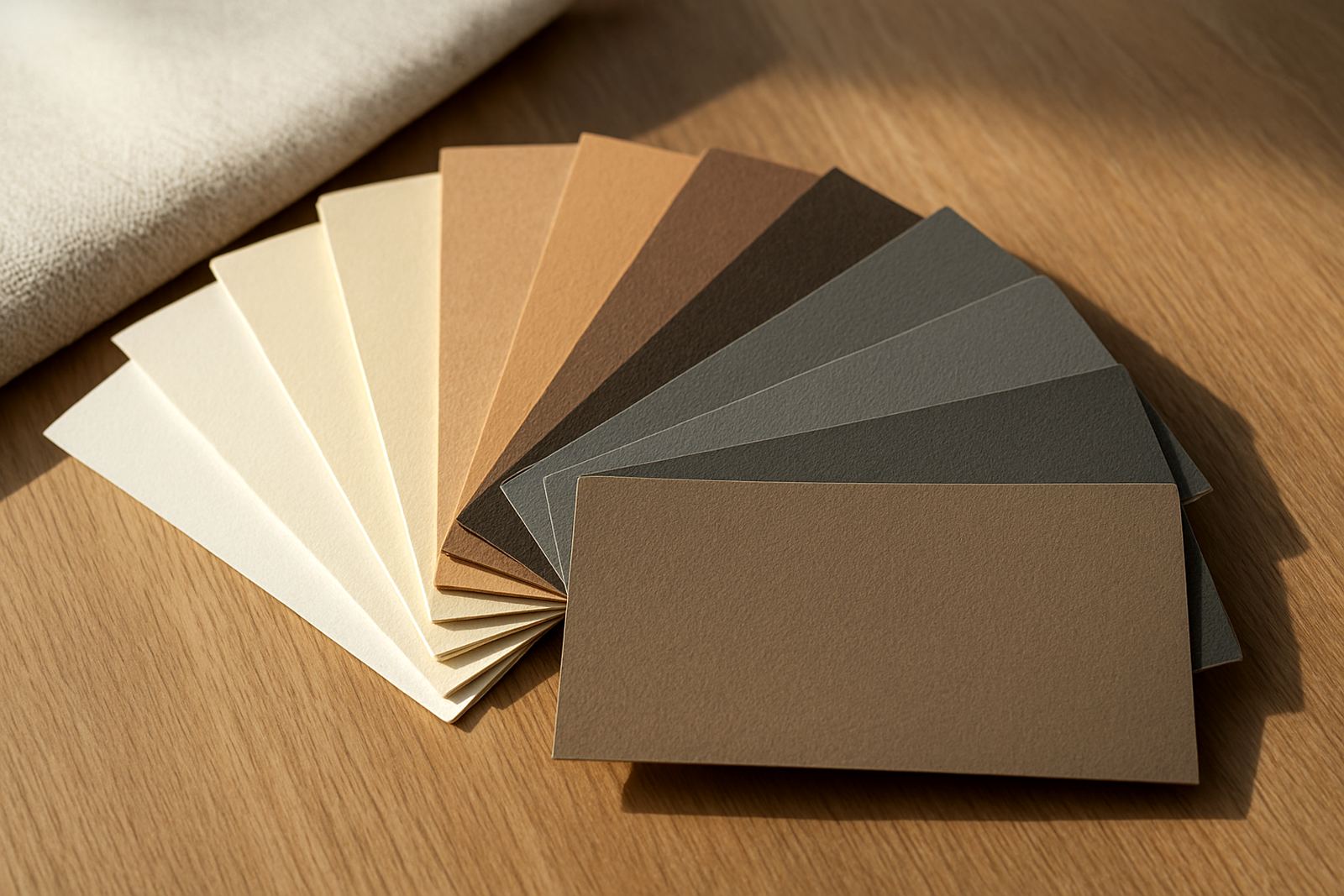
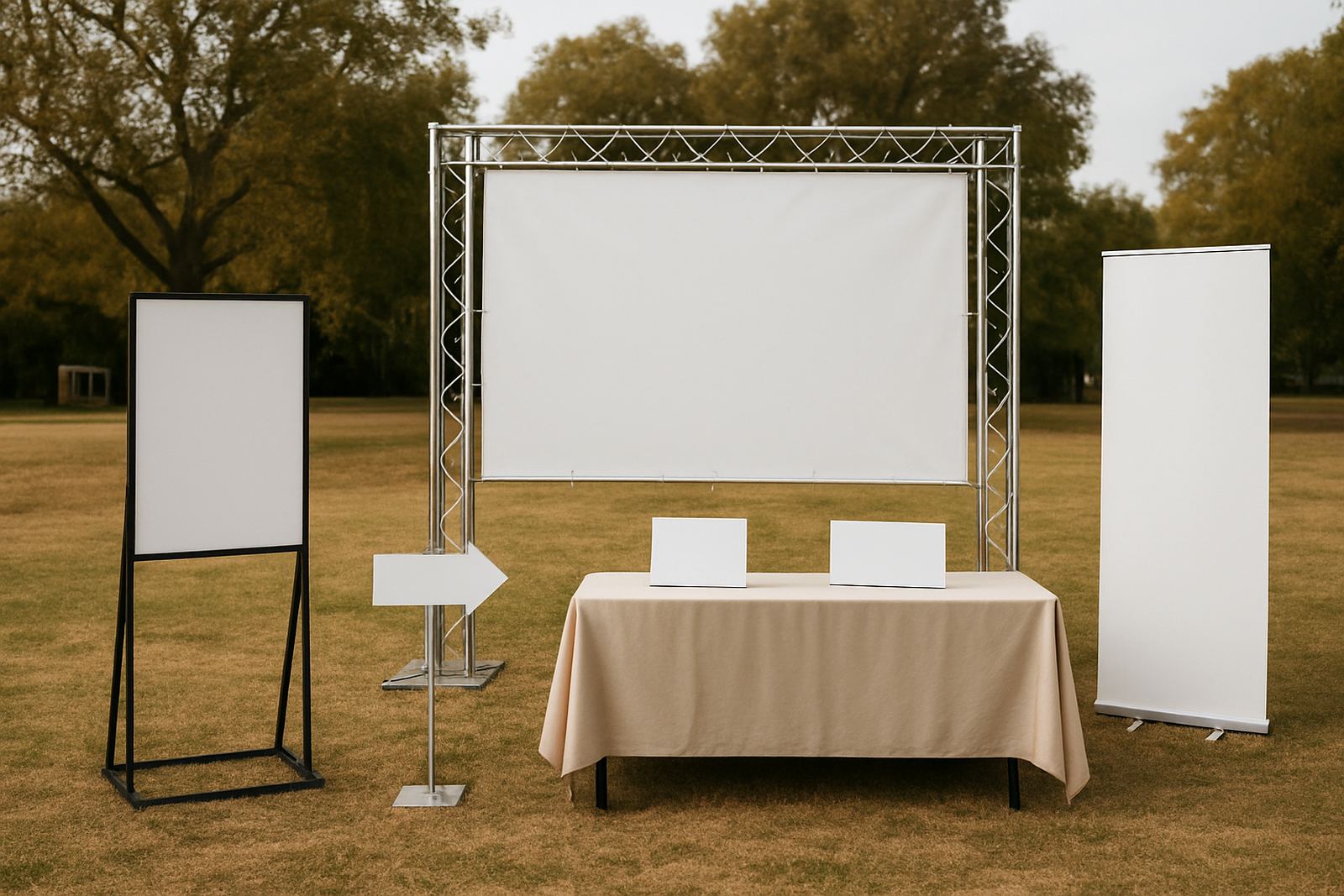
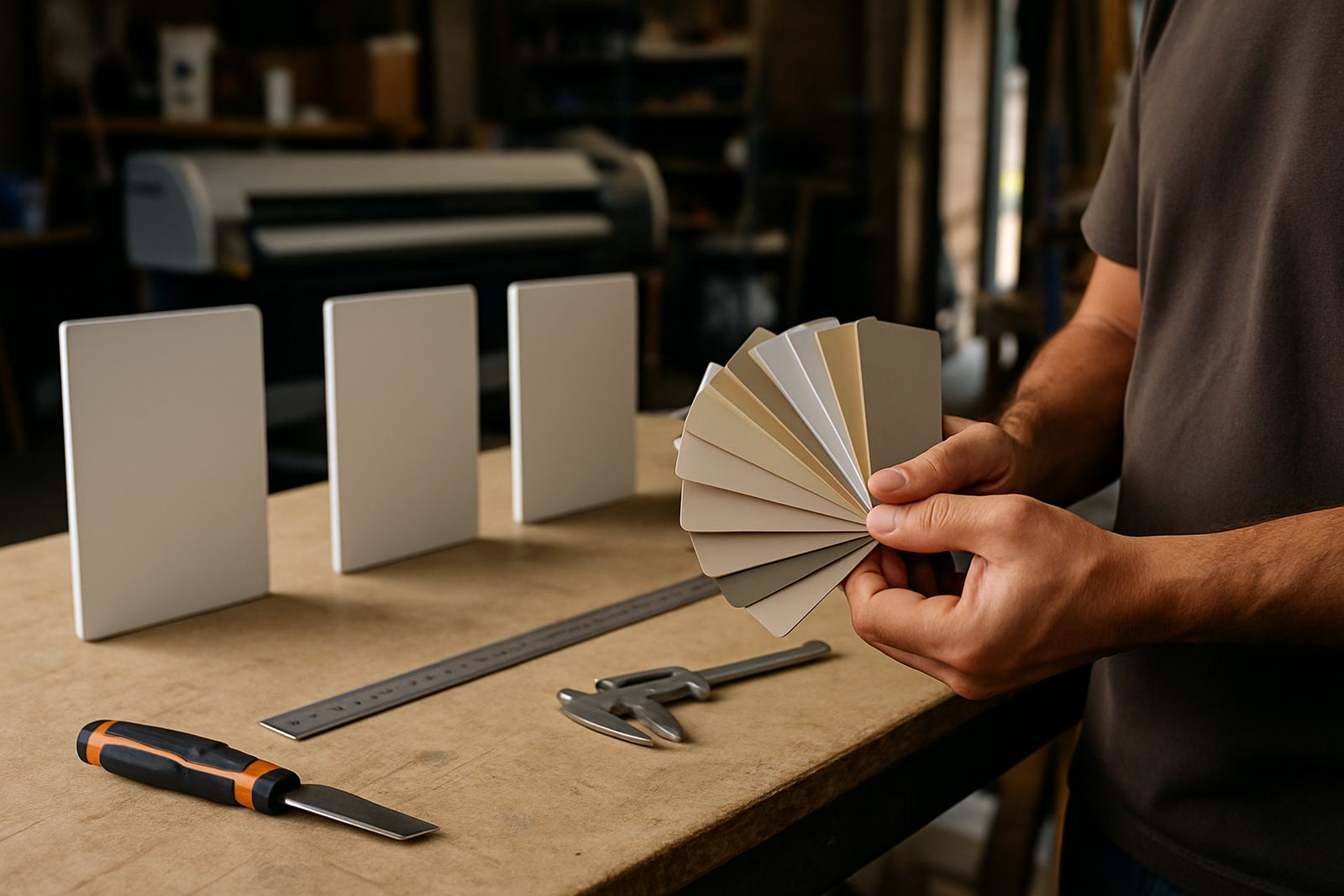
Not every job needs the same material or finish. A flyer for a weekend promo in Paarl will not be treated the same way as a safety sign for a workshop in Wellington or a vehicle wrap for a delivery bakkie that works in the sun all day. The right choice depends on where the print will be used, how long it must last, and whether people will handle it often.
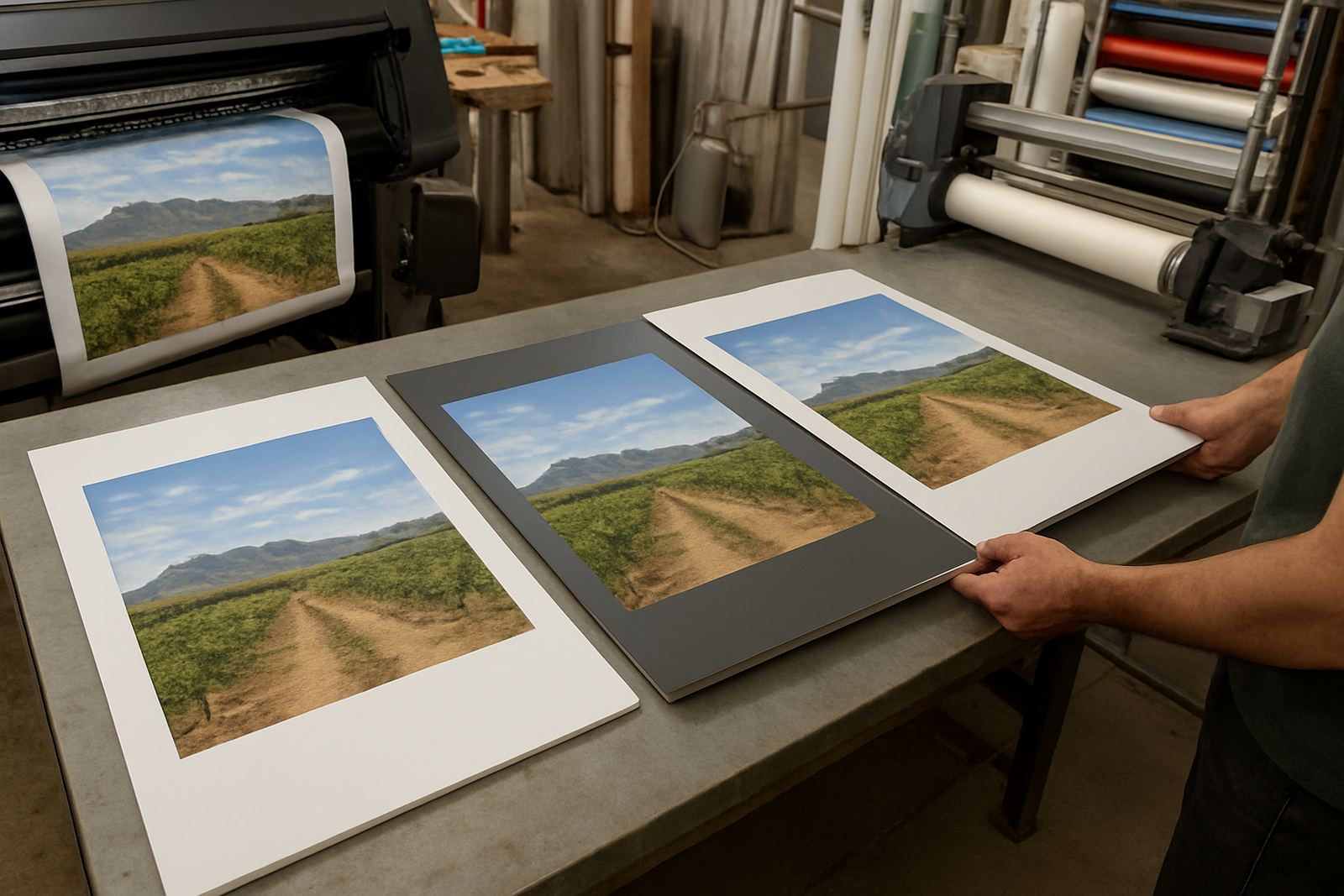
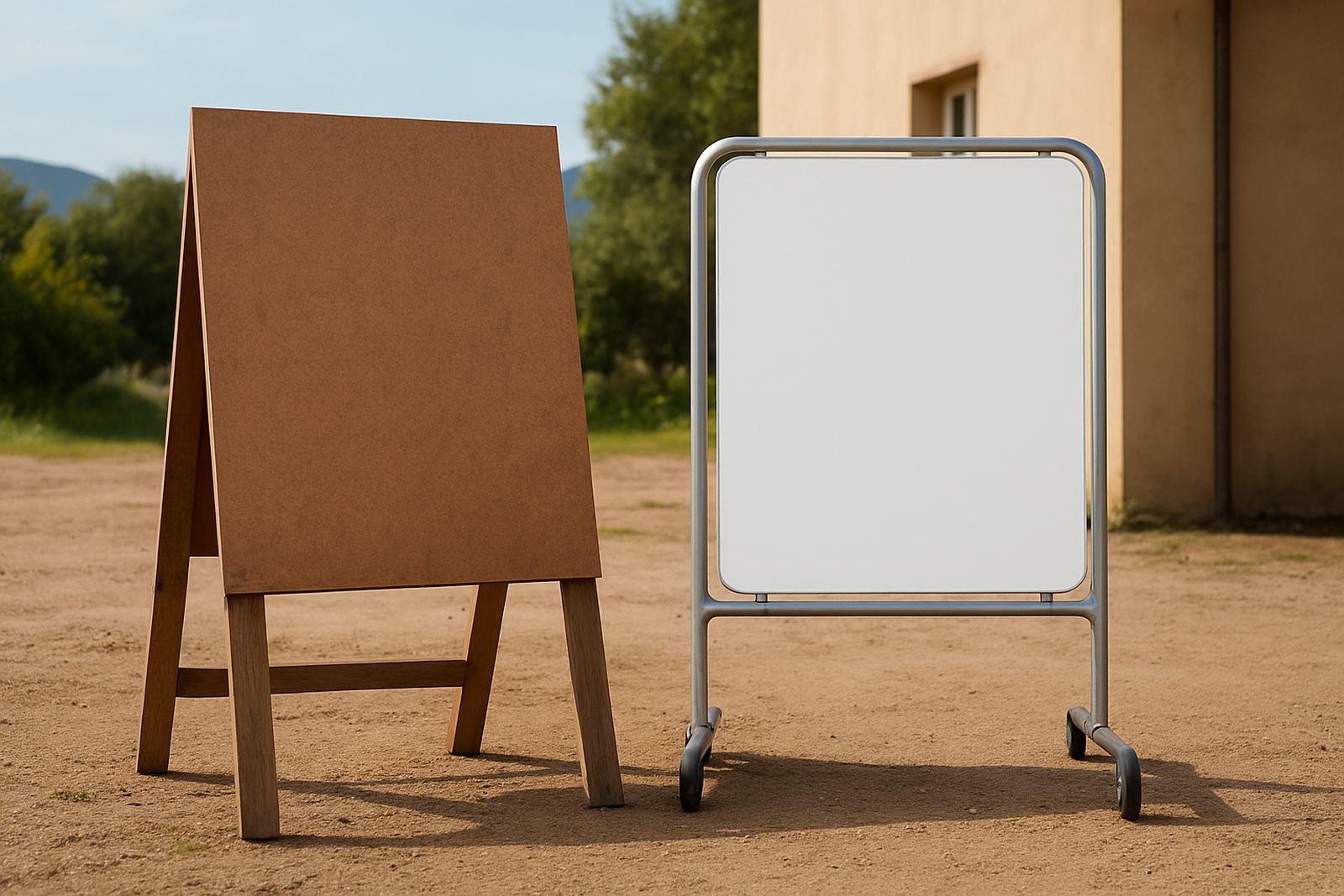
For short campaigns, paper and standard board can do the work well. For outdoor use, vinyl, laminated prints and properly finished boards hold up better against wind, dust and moisture. Coastal humidity also matters if you are sending stock towards the West Coast side or keeping signs in storage for too long.
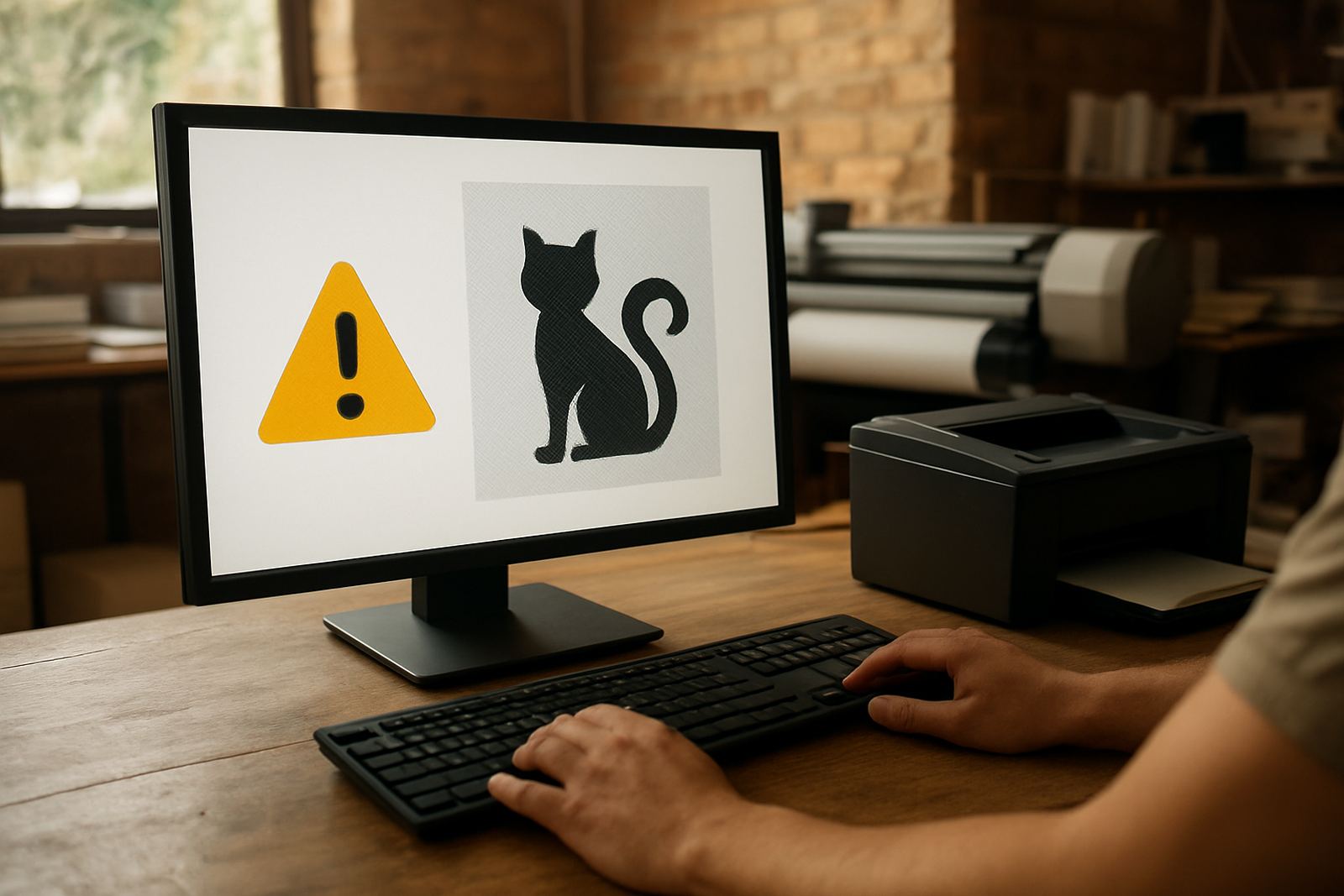
Artwork Prep Before You Send Anything
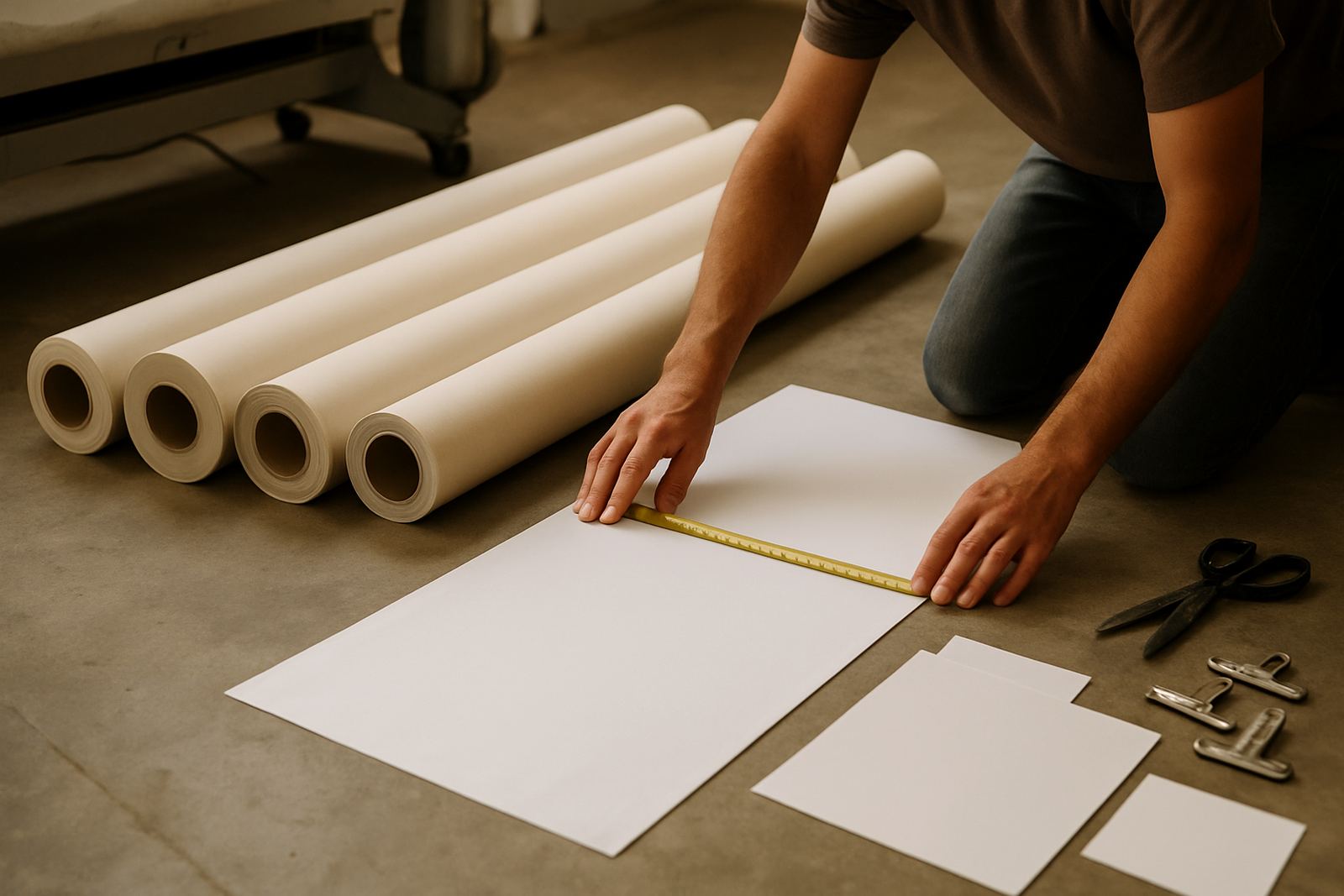
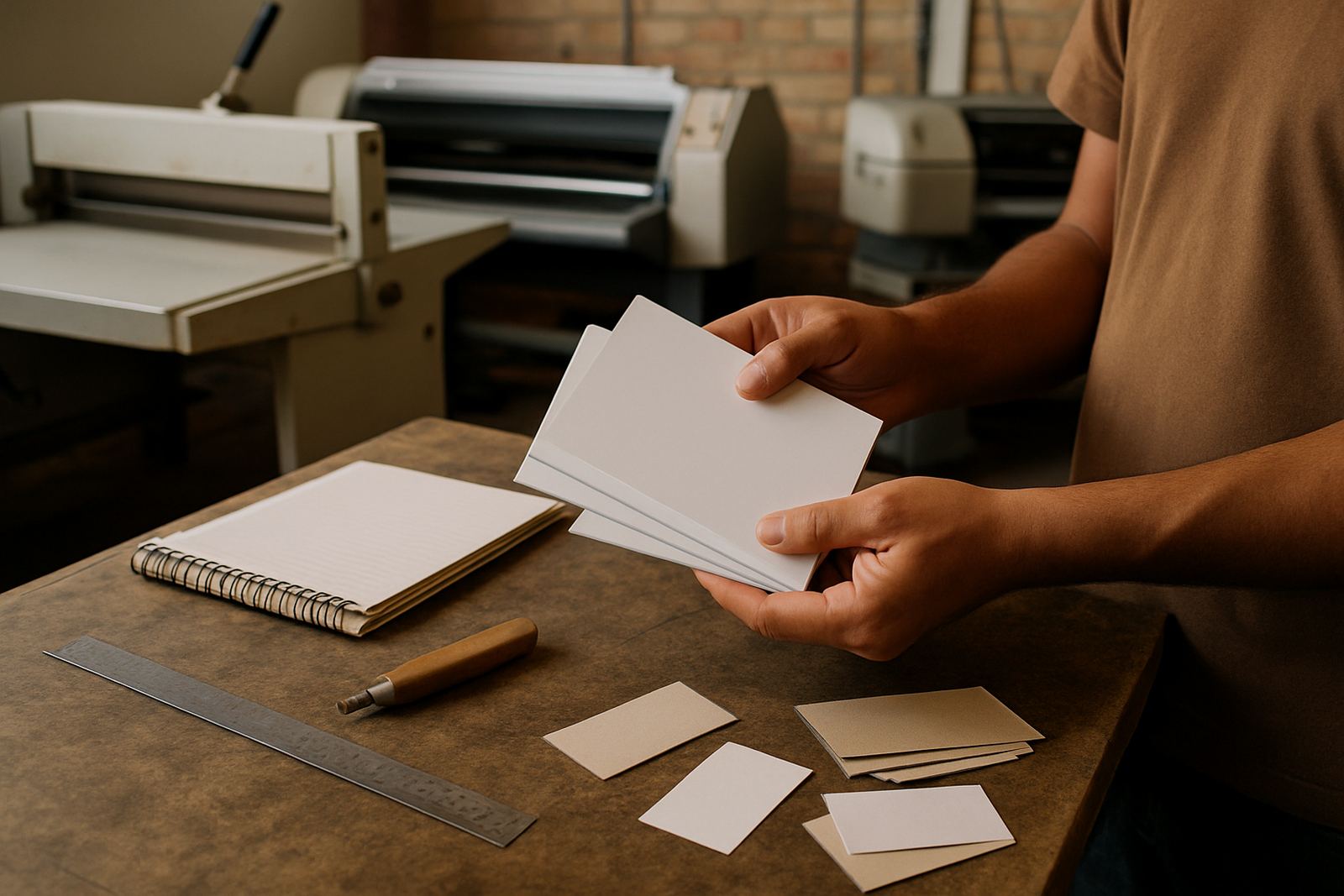
Good artwork saves time. It also keeps colours cleaner, text sharper and edges where they should be. If your file is rushed, blurry or the wrong size, the final print usually shows it. That is true for business cards, banners, safety signs and motorbike decals alike.
- Set artwork at the correct size, or allow proper bleed for trimming.
- Keep logos and text sharp, not copied from a small image on a phone.
- Check spellings, contact details and opening times before approval.
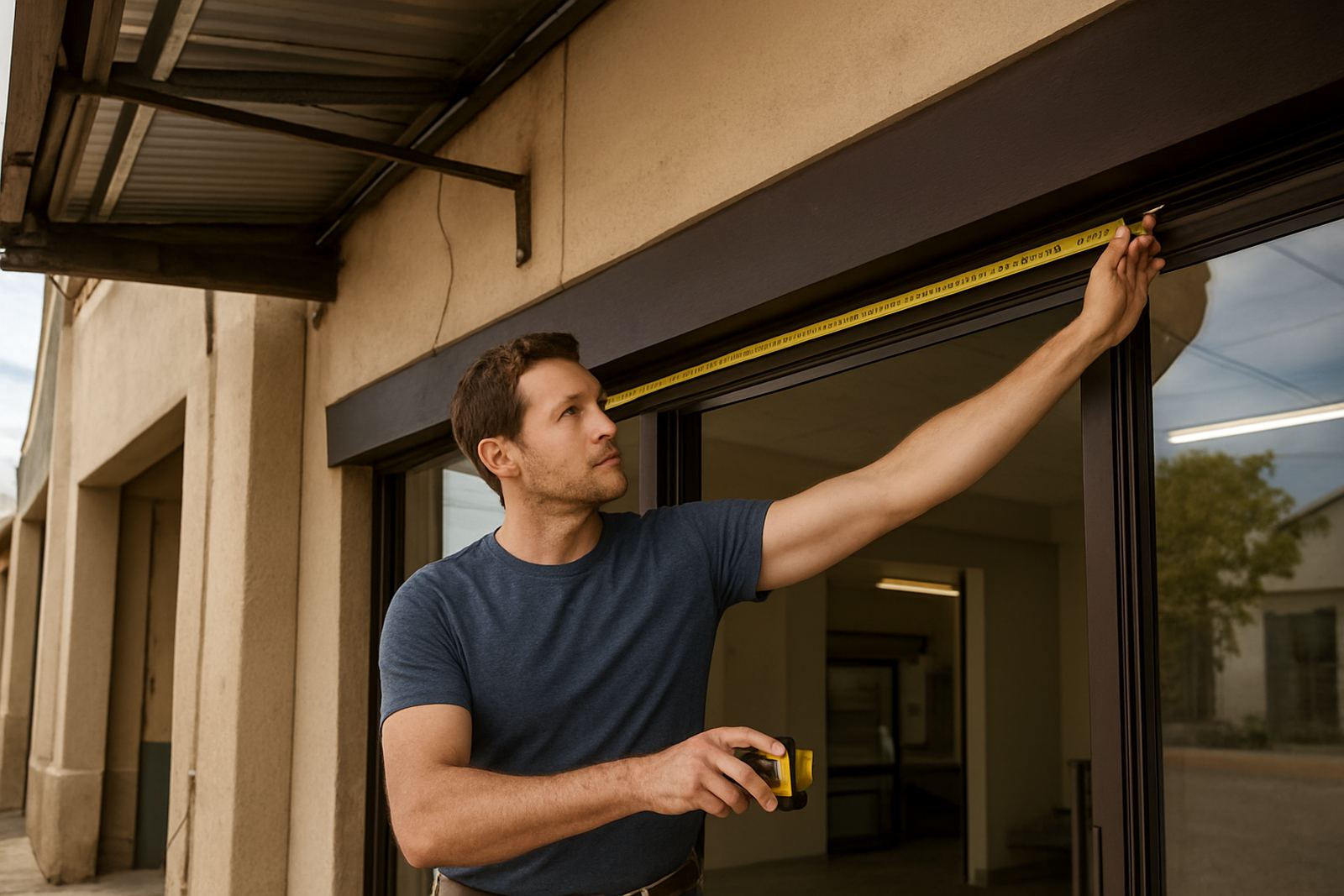
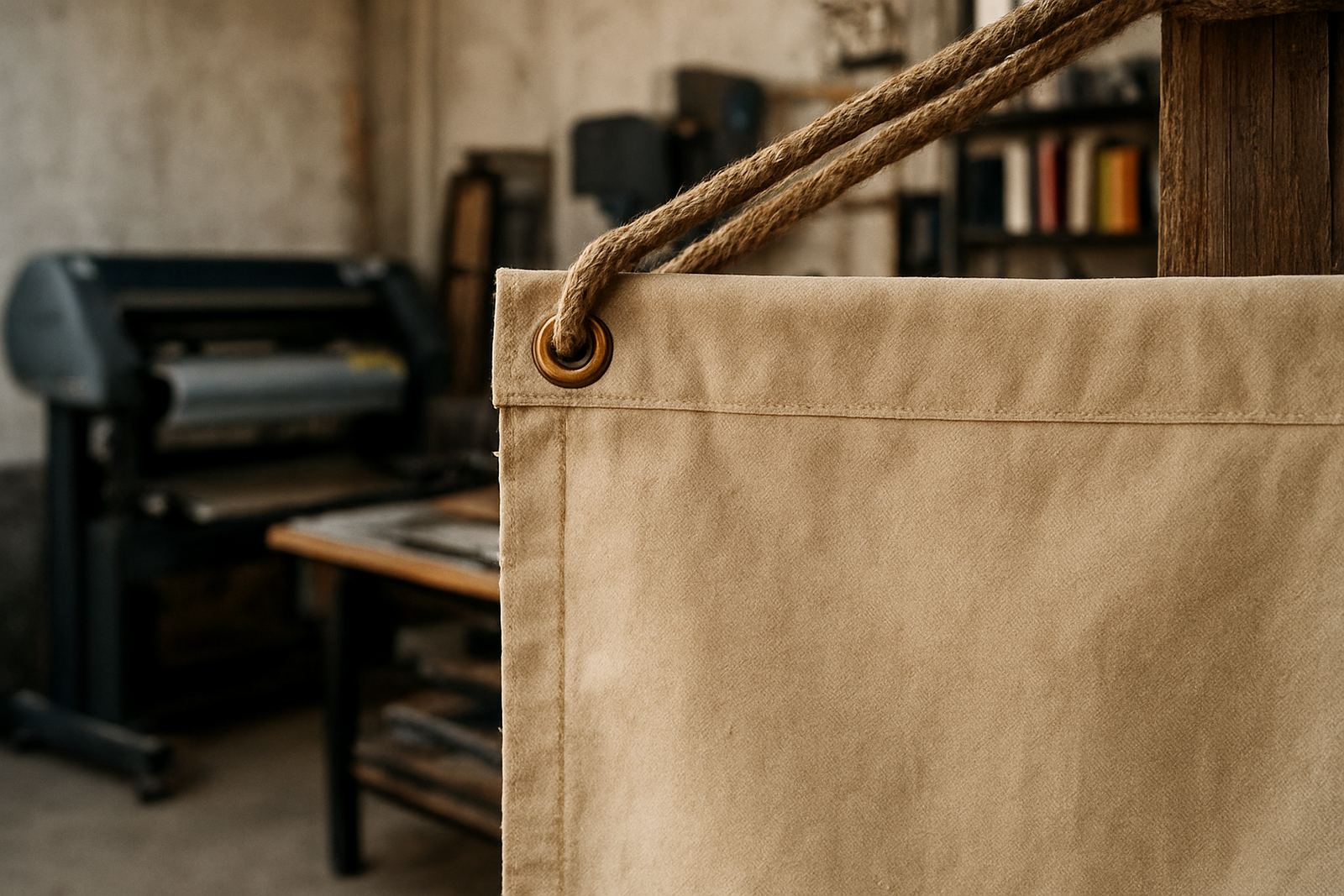
- Allow extra space for eyelets, folds, magnet corners or mounting.
- Use clear colour choices so the message reads quickly from a distance.
When a client is unsure, an artwork check is worth it. A simple correction now can prevent a reprint later, especially when a municipal sign or a delivery vehicle needs to be ready by a set date.
Durability for Boland Weather and Daily Use
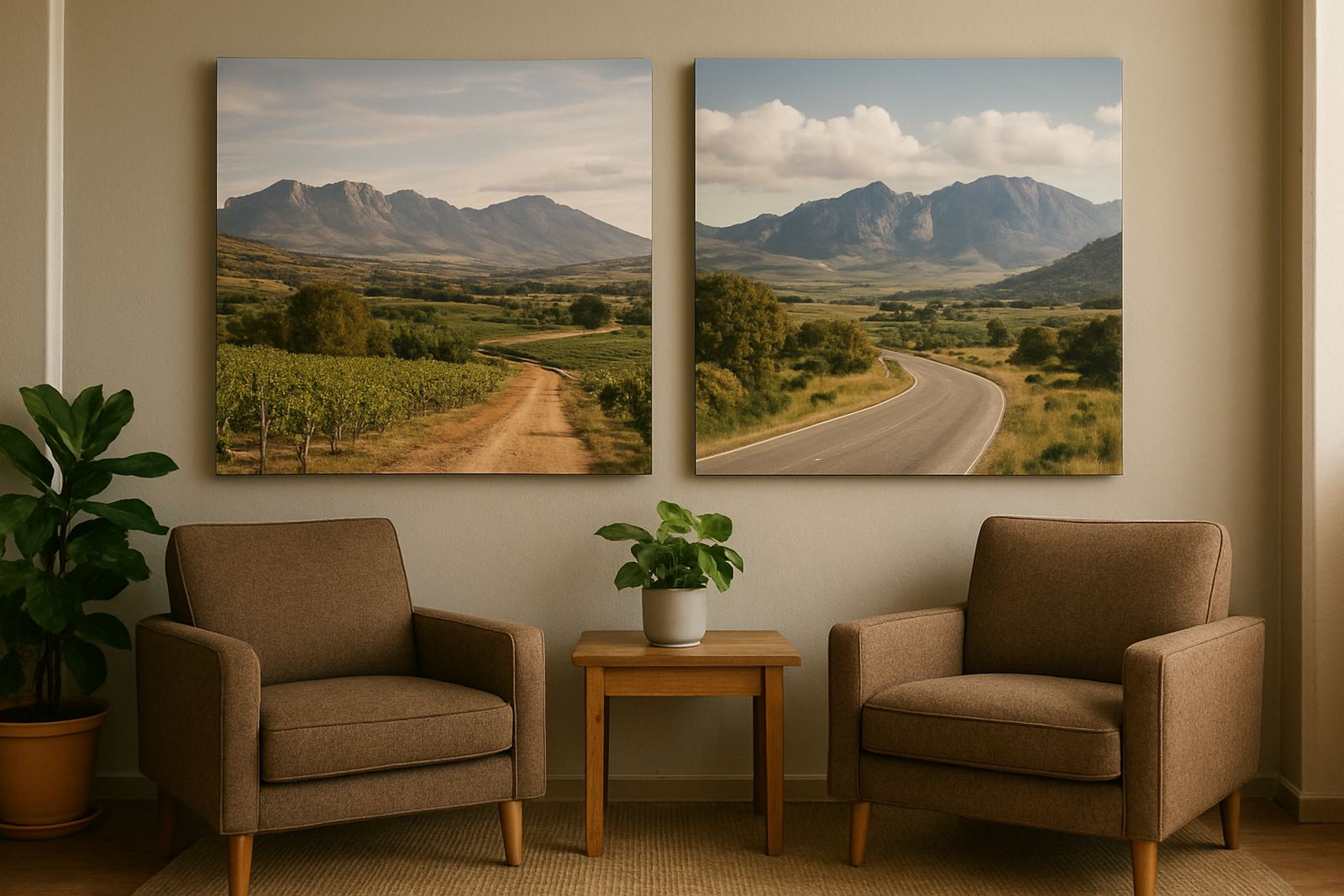
In the Boland, prints must deal with strong sun, wind, dust and occasional rain all in the same week. A banner on a fence in Franschhoek needs different finishing from a wall sign inside a shop in Malmesbury. That is why lamination, edge sealing and proper mounting matter so much.
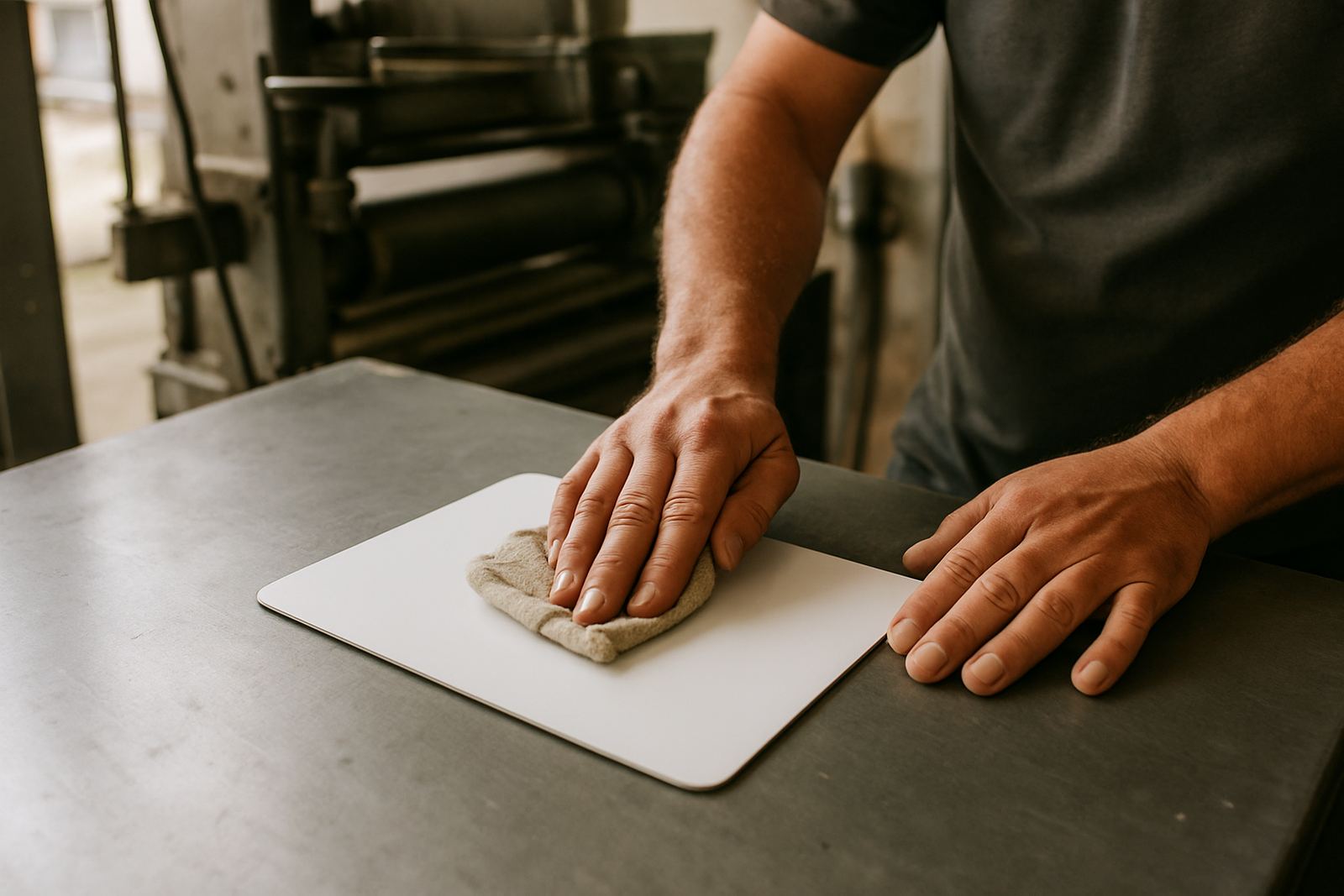
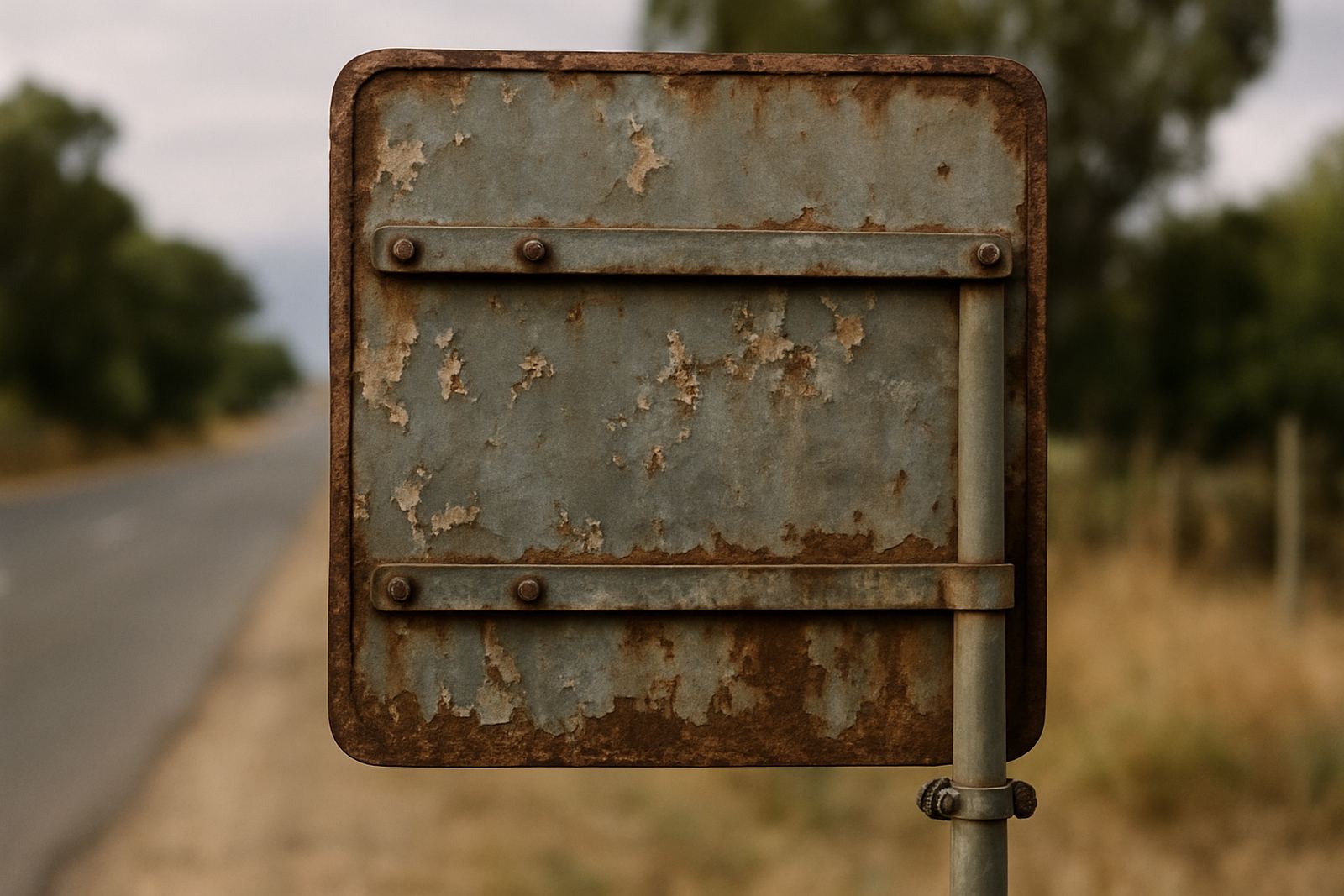
For outdoor signs, ask how the material will behave over time. Will the print fade quickly, curl at the edges or lift in heat? Will the adhesive cope with cleaning? Will the board bow if it gets wet? These are practical questions, not extras. They decide whether the job lasts or needs replacing sooner than planned.
- Choose laminated finishes for high-touch or high-sun areas.
- Use mounting that suits the wall, board or frame.
- Allow for cleaning if the sign is for a workshop, takeaway or forecourt.
- Plan for replacement dates on seasonal or temporary displays.
Vehicle Graphics for Riders, Bakkies and Work Cars
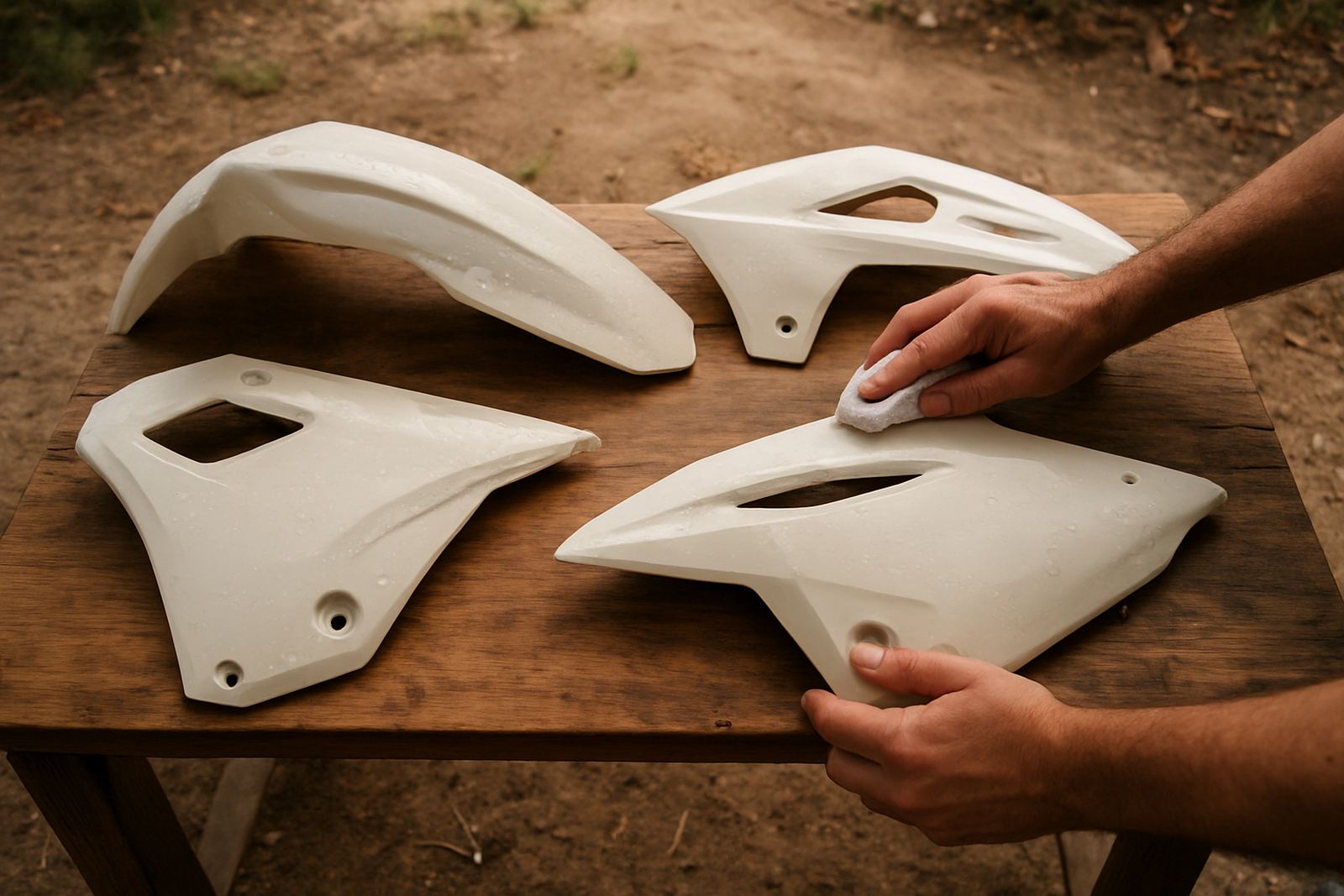
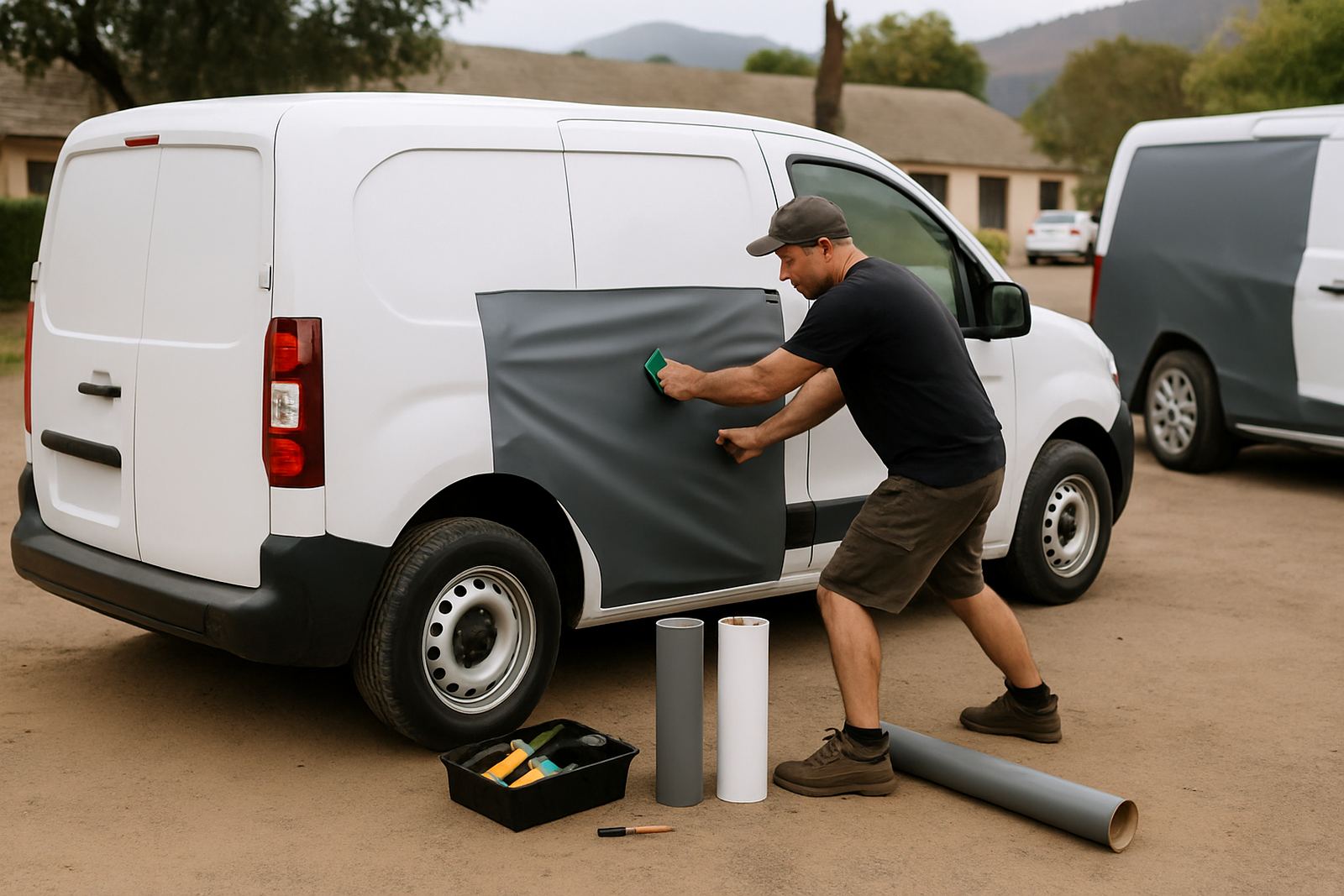
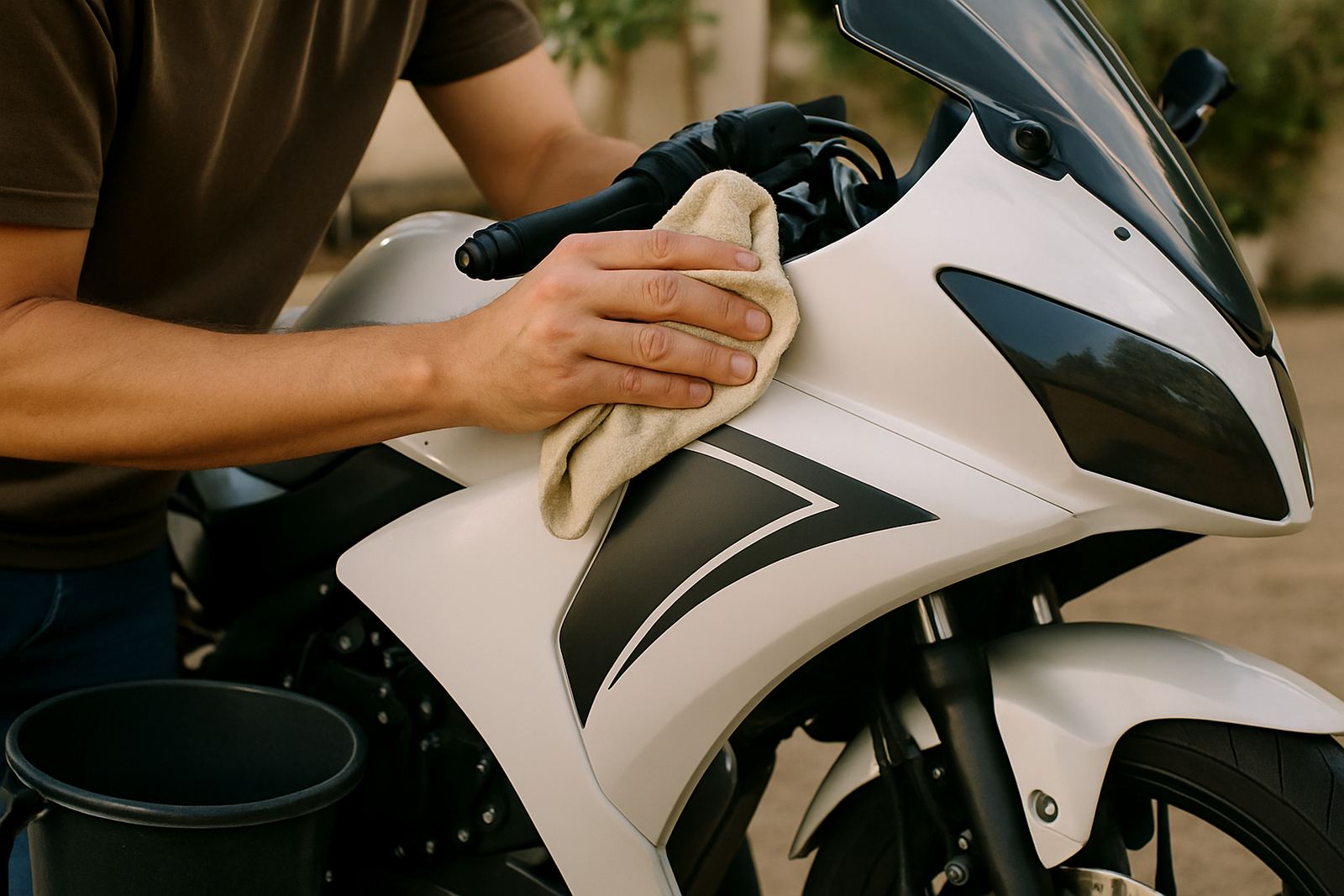
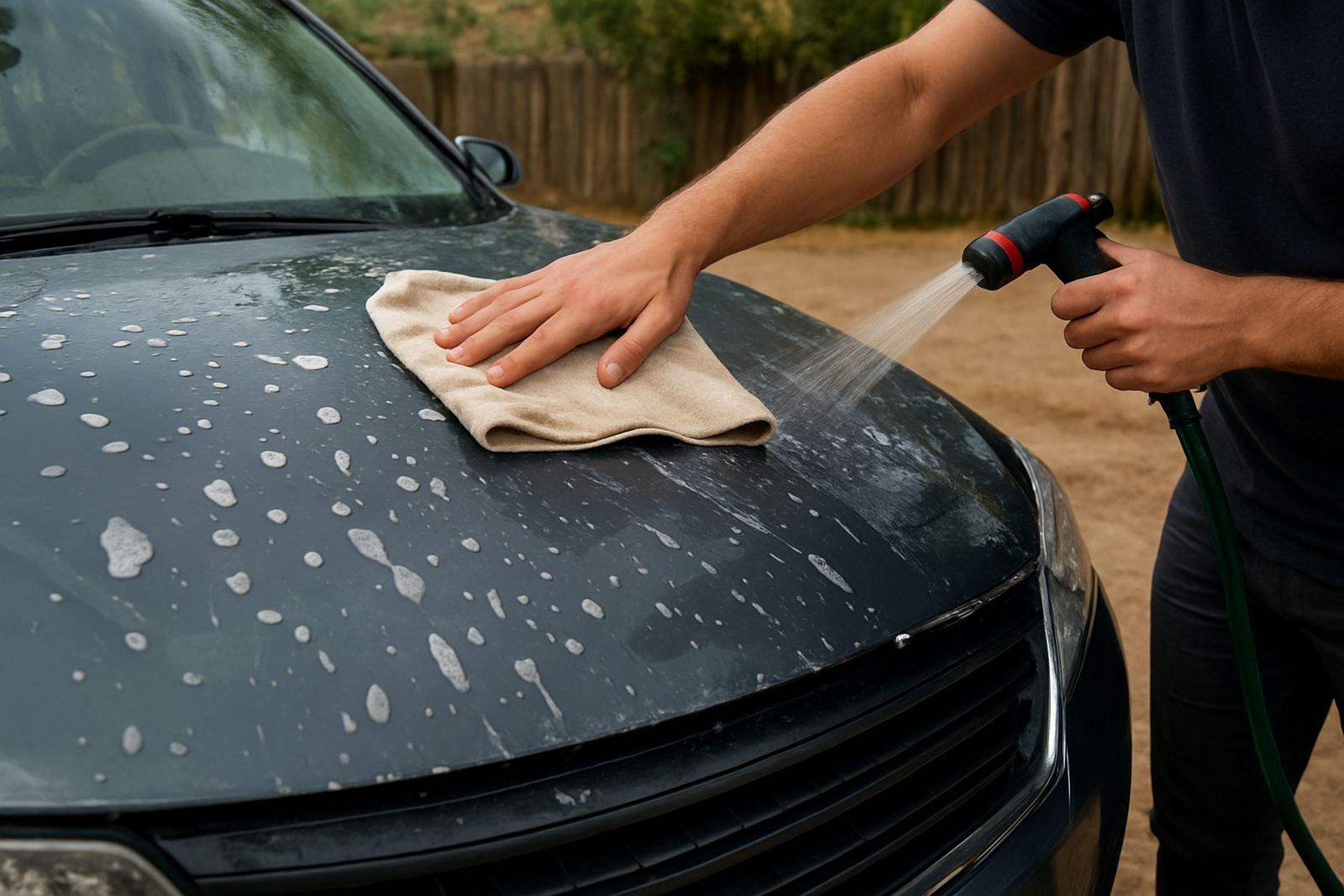
Vehicle branding works best when it is readable at a glance. A wrap or magnet should tell people who you are, what you do and how to remember you, even while the vehicle is moving. On motorbikes and service vehicles, fitment needs to match the curves, panels and daily wear of the vehicle.
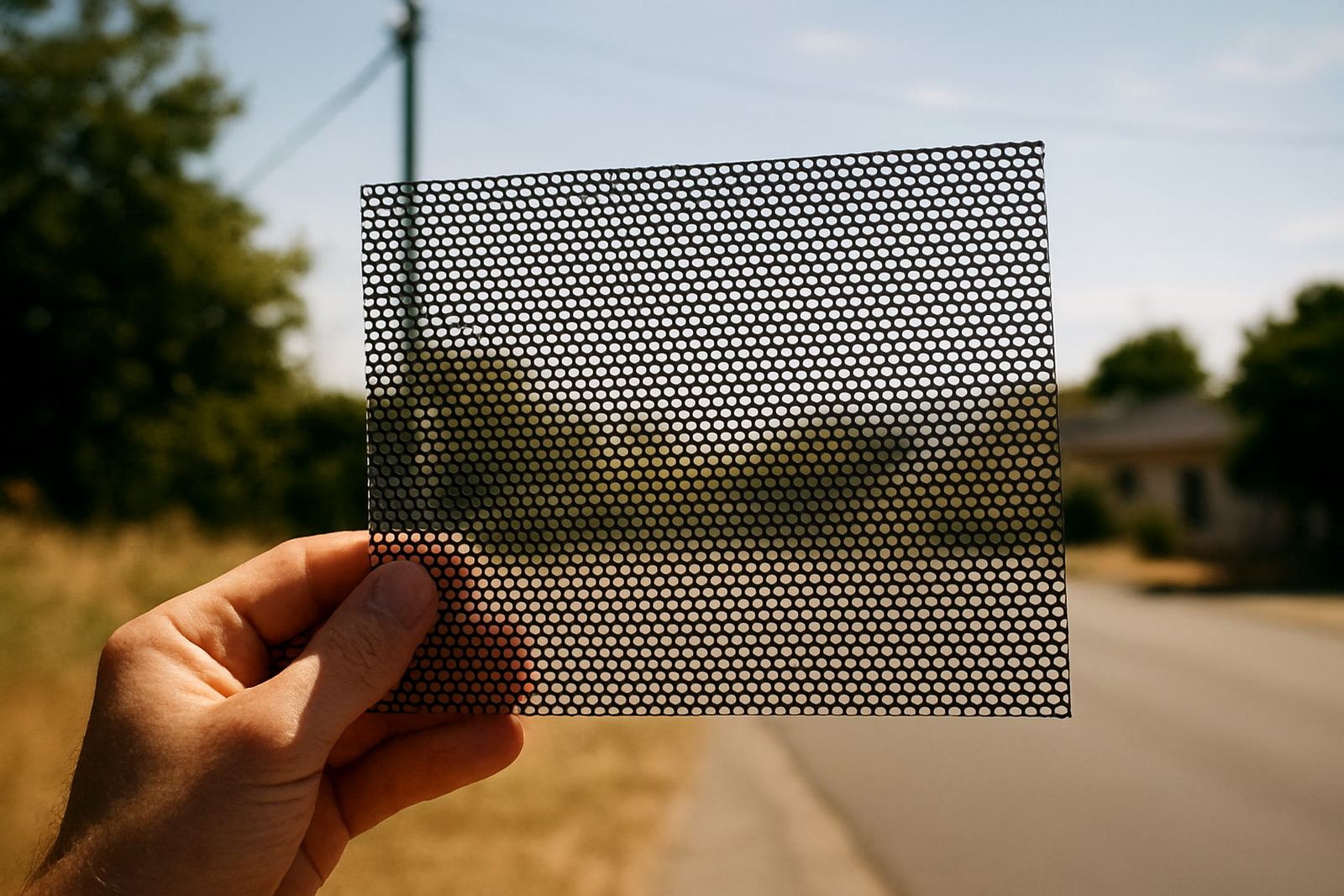
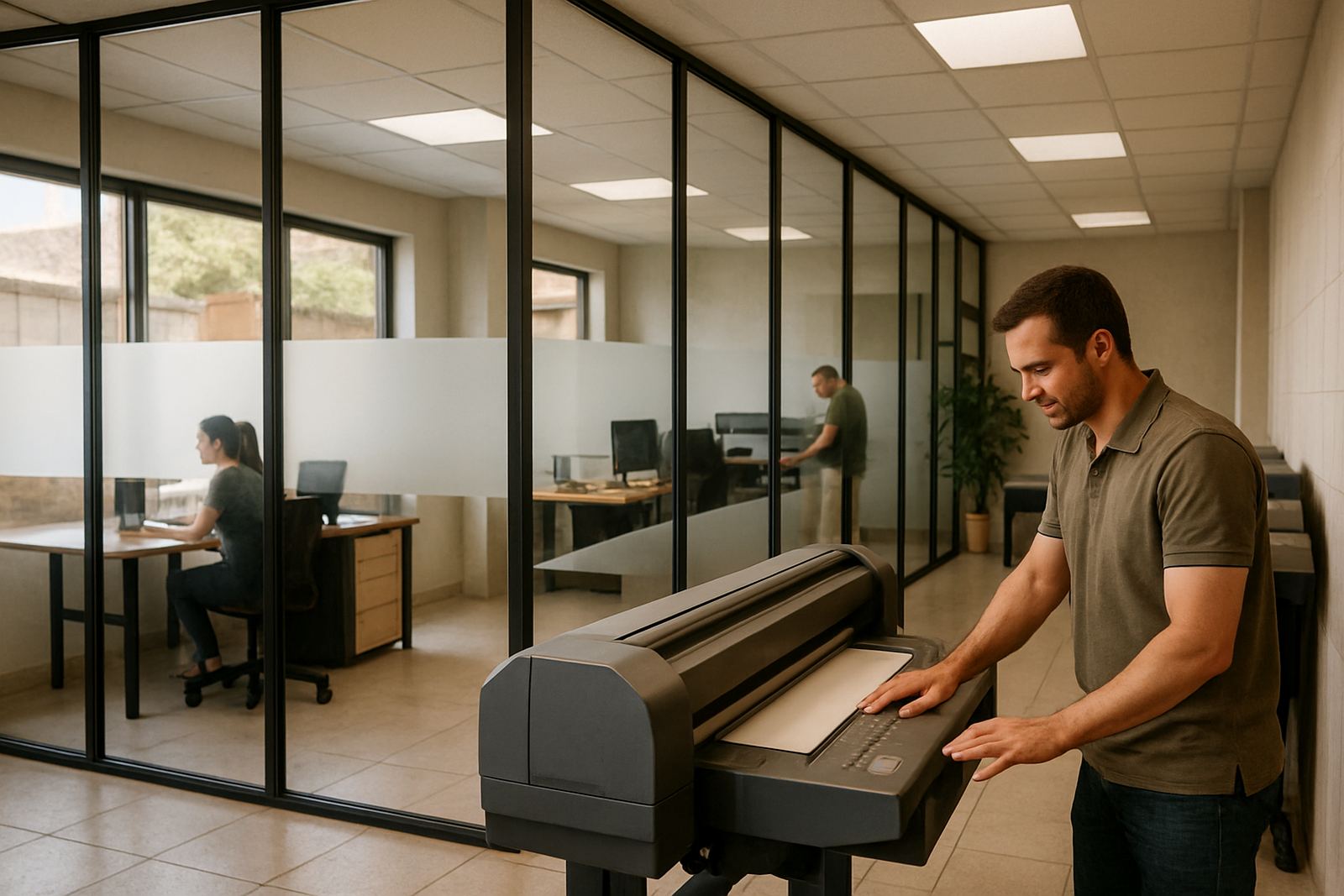
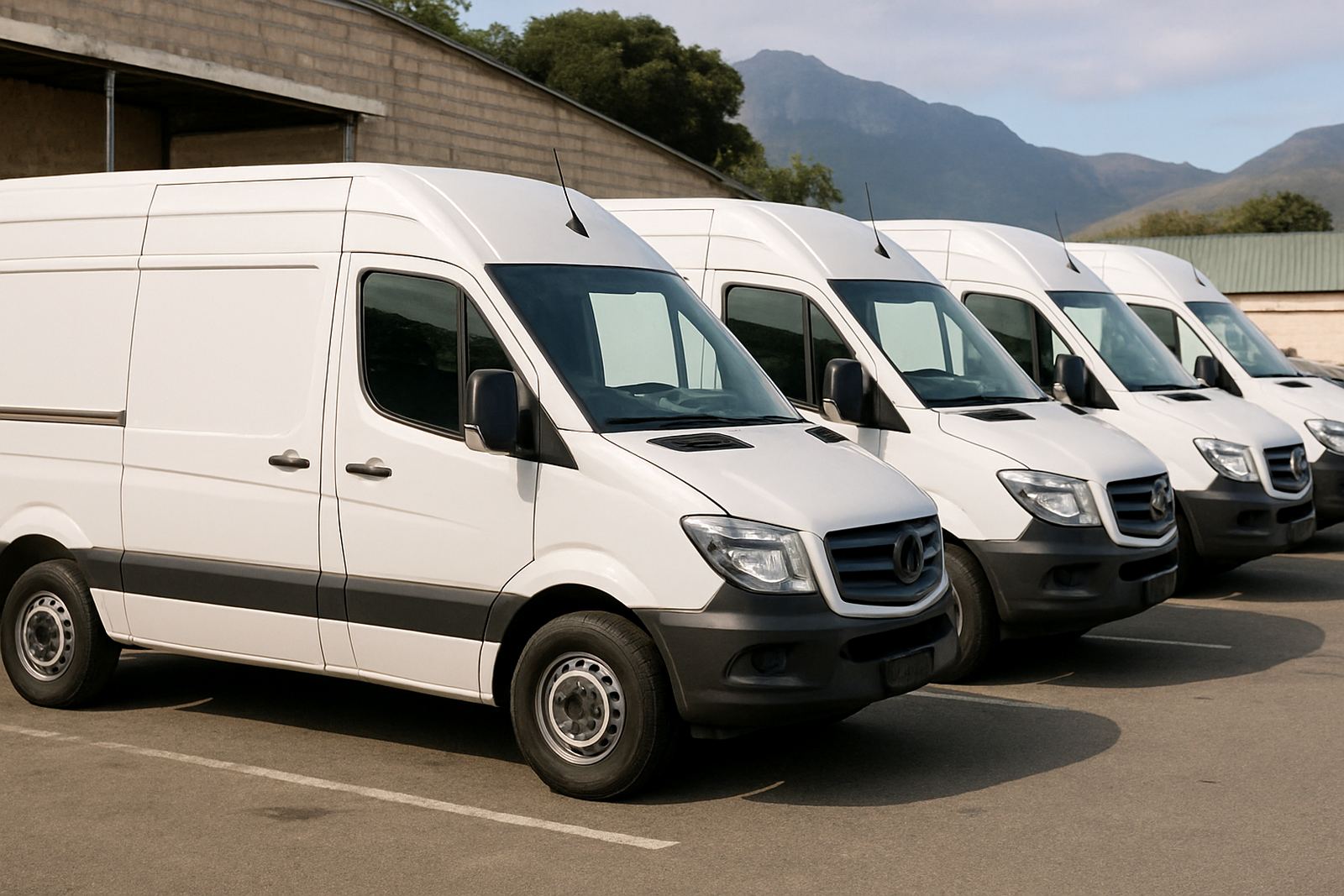
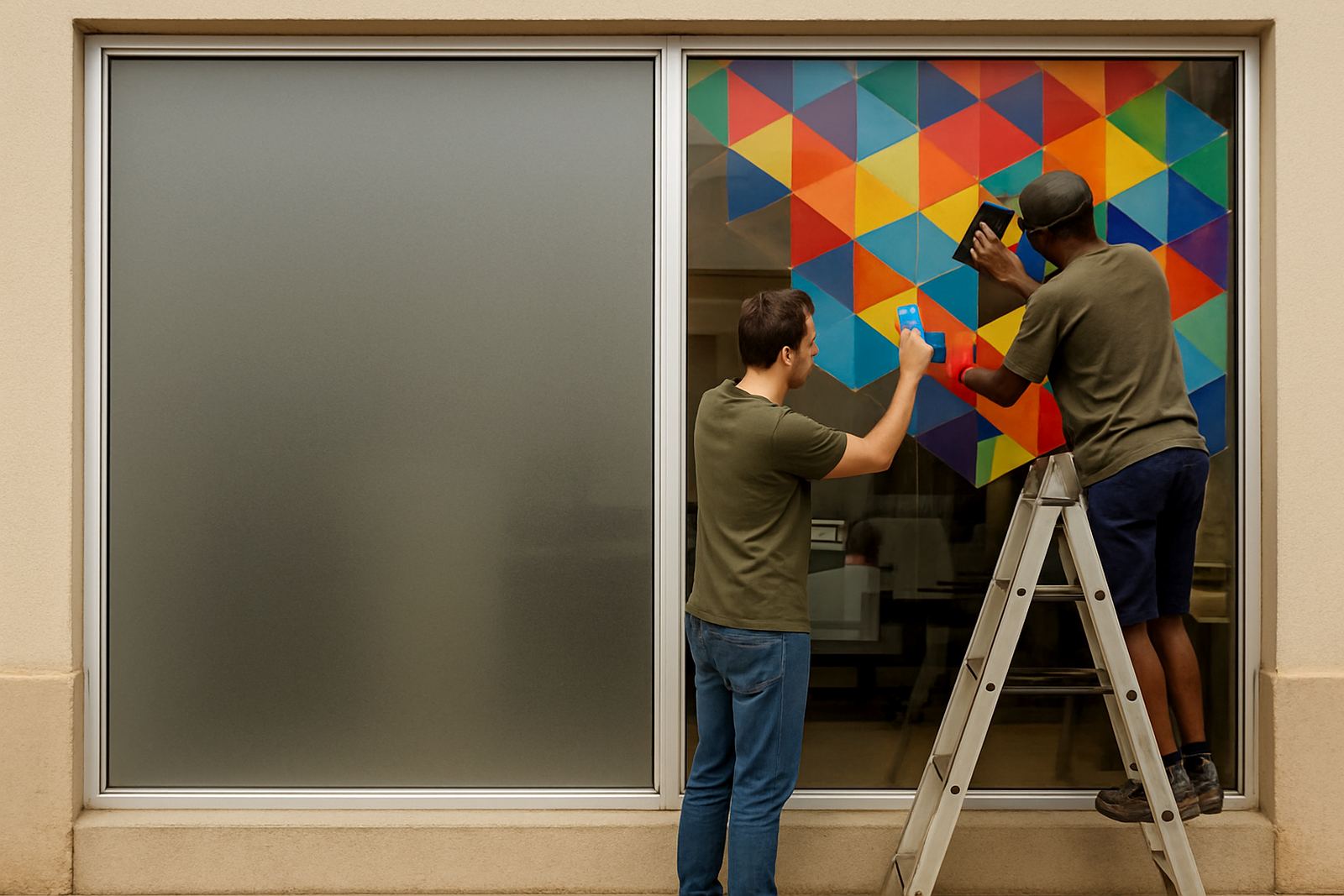
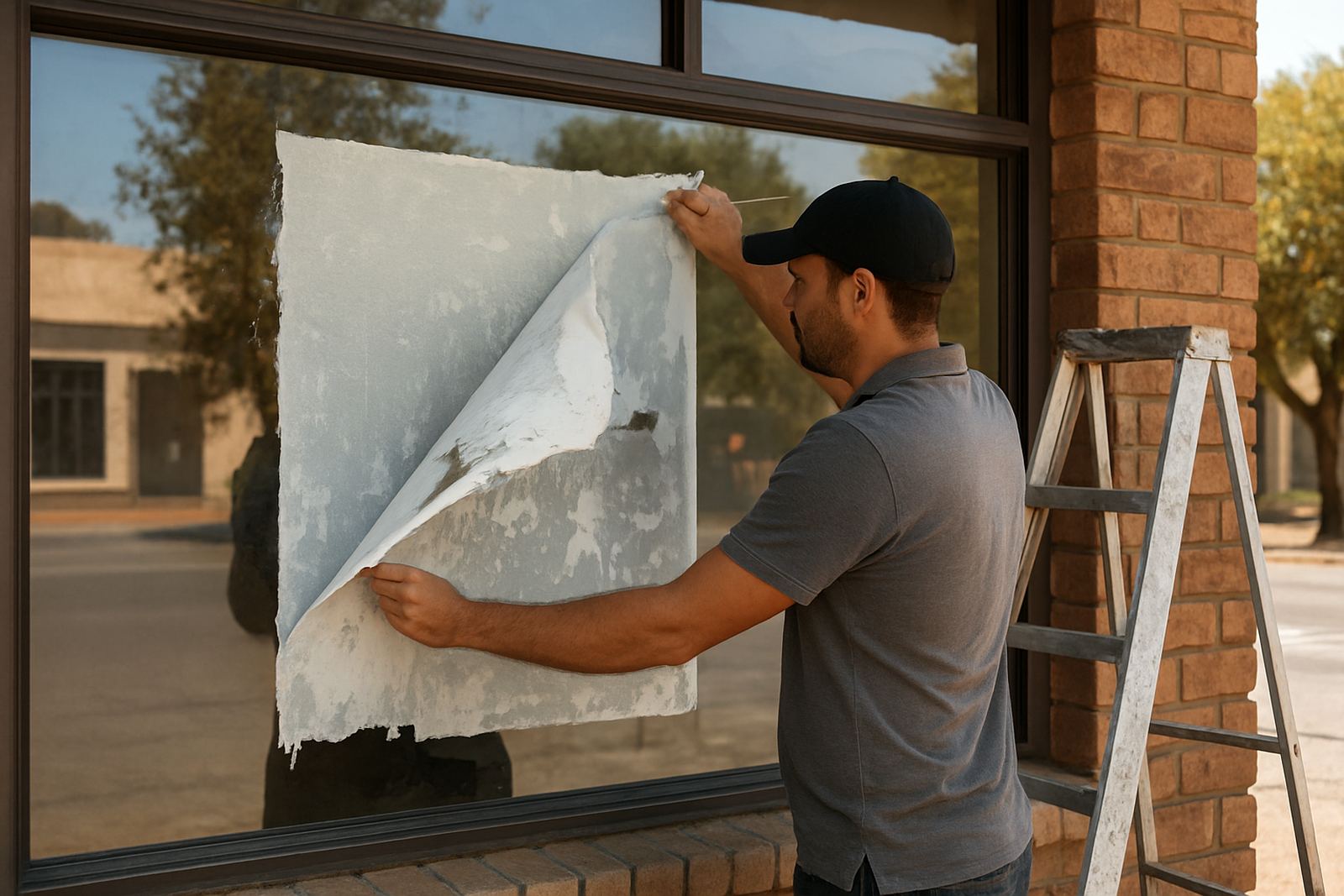
Window frosting and contra-vision also help when privacy or sun control is needed. For fleet vehicles, a consistent layout makes the whole group look organised. For a single rider or driver, a clean logo, contact line and service list may be enough. The key is to keep it simple and neat, not crowded.
Signs That Work in Shops, Workshops and Public Spaces
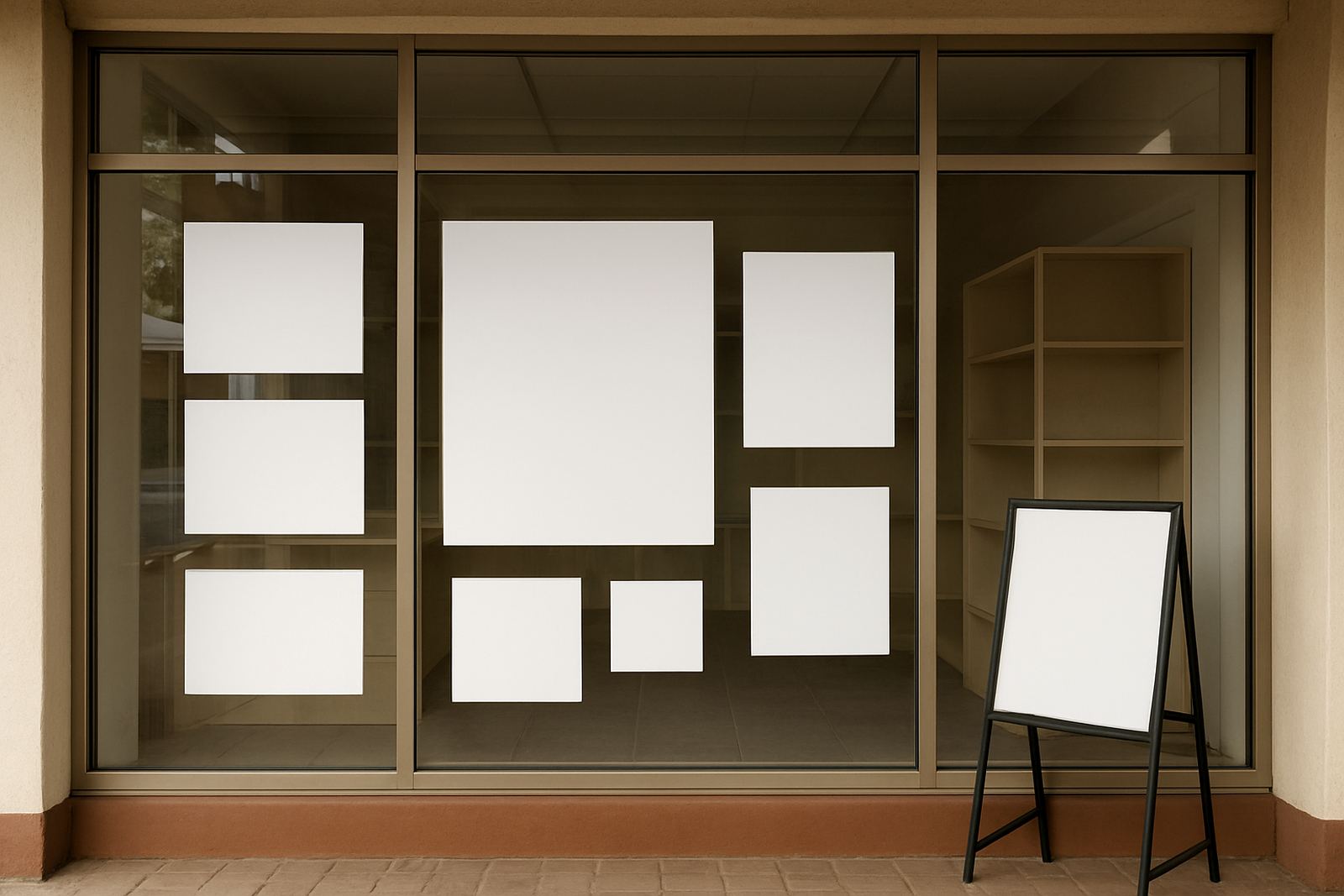
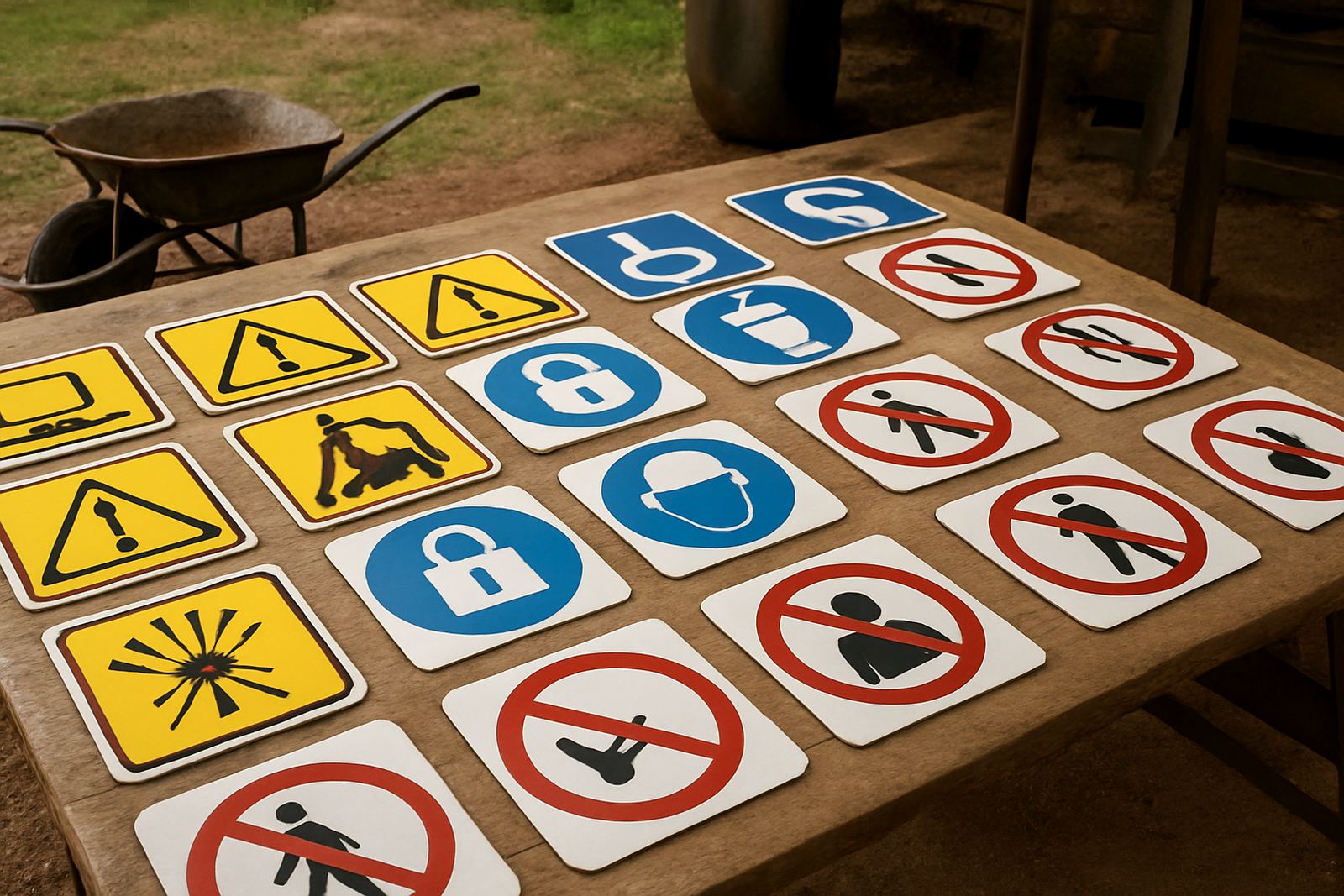
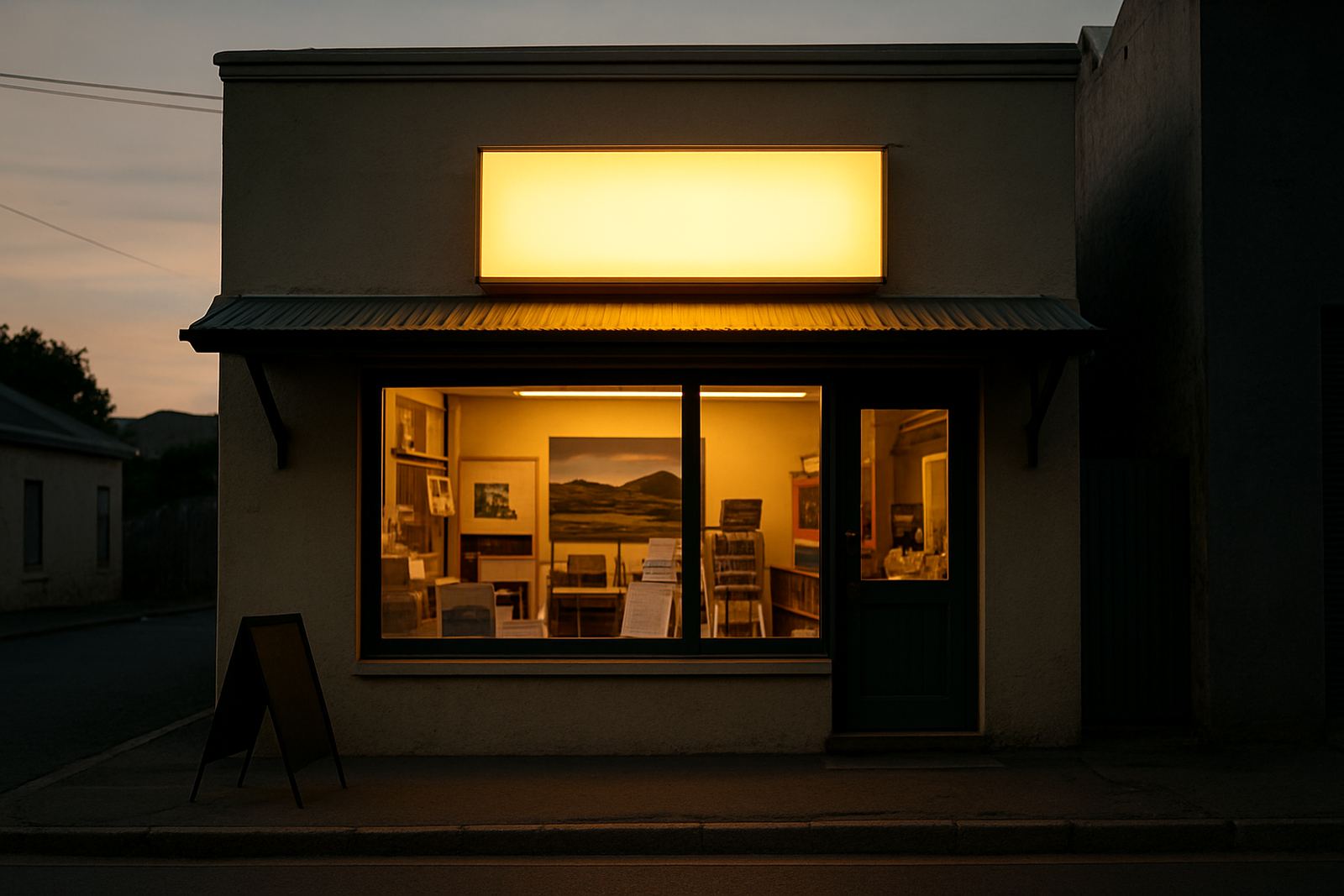
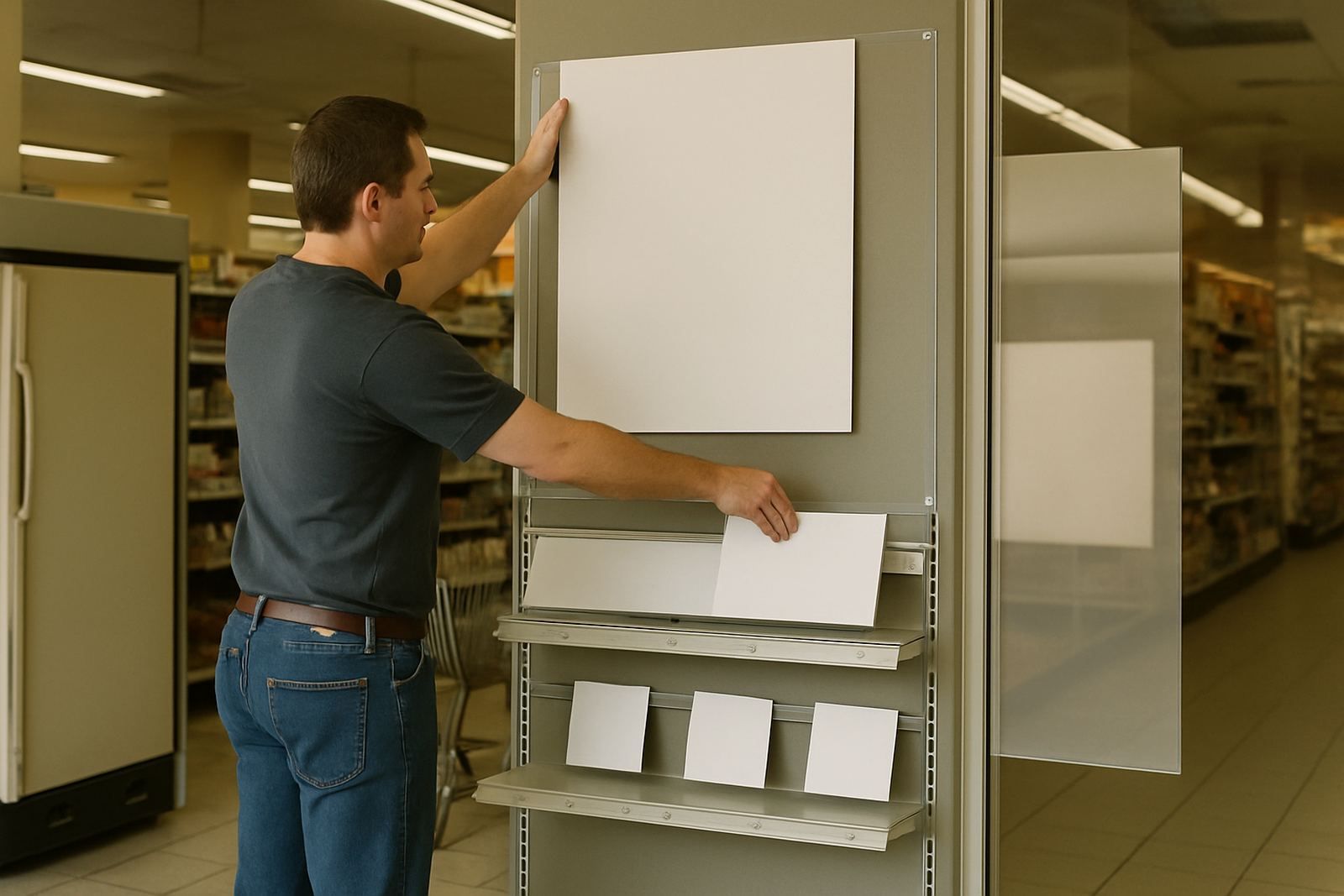
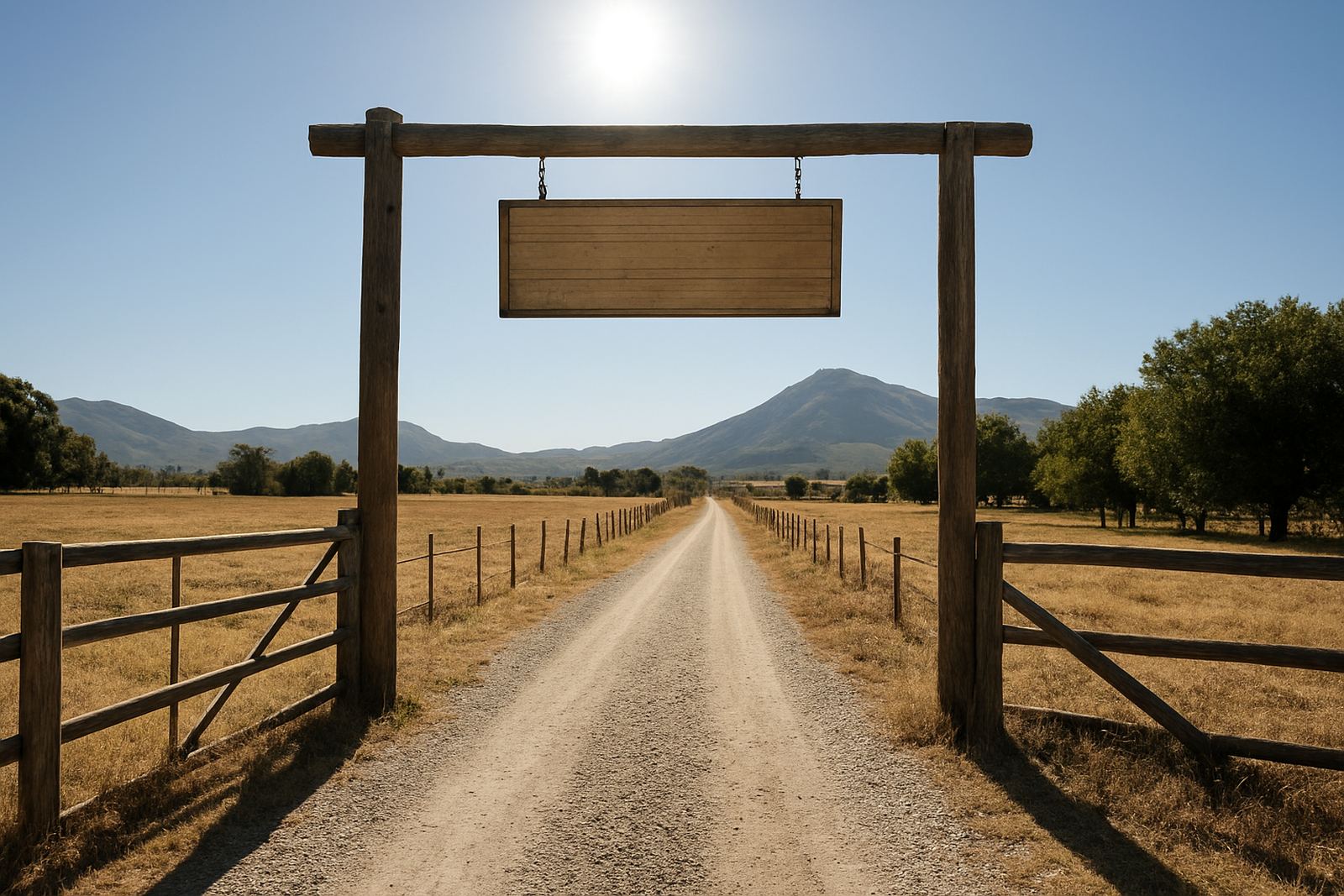
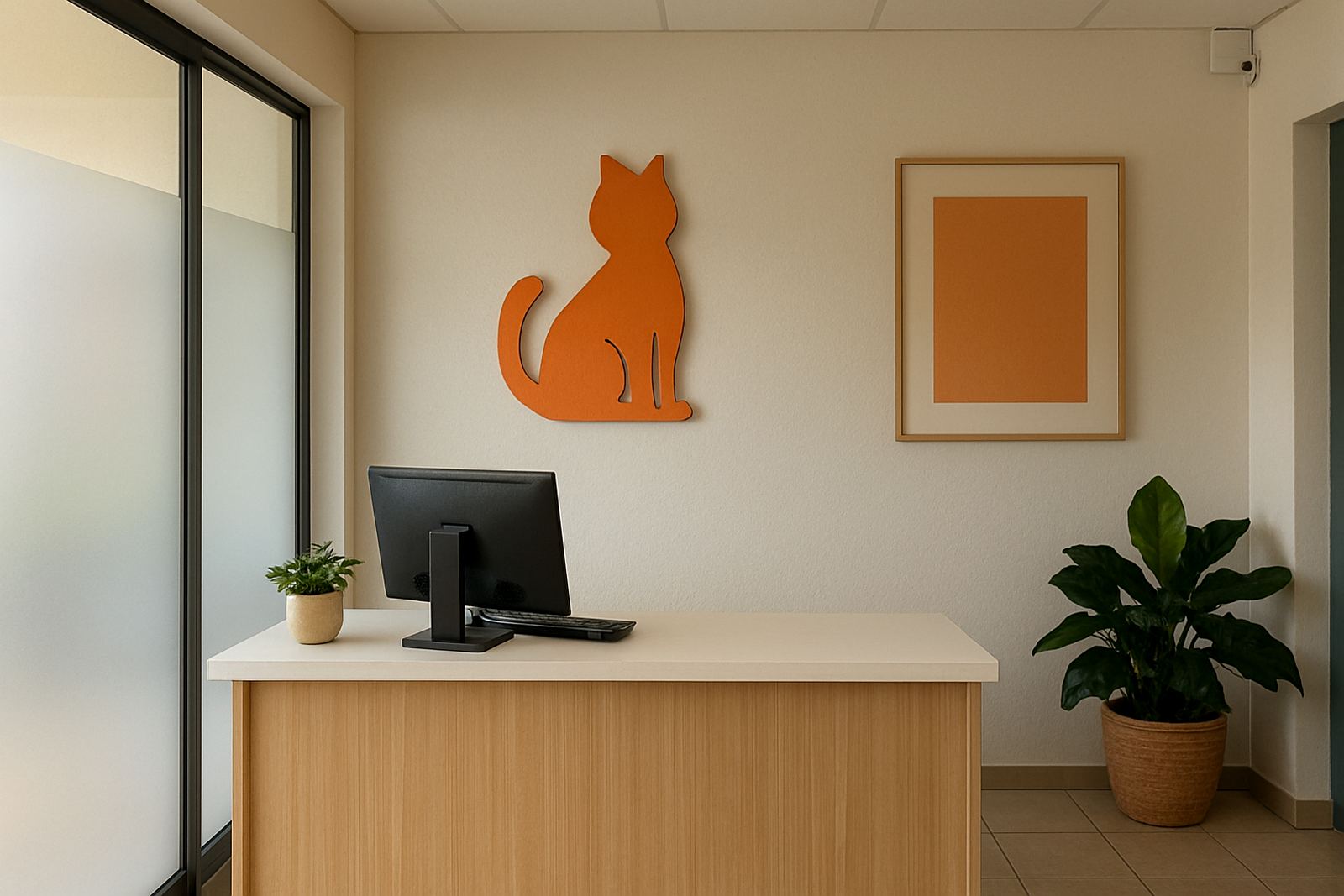
Signs have to do more than look neat. They must guide people, warn clearly and stand up to daily use. In a workshop, safety signs need clear wording and visible colour. In a retail space, a light box or interior board should be easy to read under mixed lighting. On an outside wall, the sign must stay visible after months of sun and dust.
Local by-laws and site rules can affect size, placement and fixing methods, especially for business premises in busy streets or shared complexes. It is worth checking these details before production starts, rather than finding out after the sign has been made.
Reprints, Updates and Fixing Common Mistakes
Print work often needs refreshing. Phone numbers change, trading hours shift, new staff members join and promotions run their course. Reprints and updates are part of normal business, not a sign that the first job failed. What matters is keeping the message current and the brand consistent.
Common mistakes usually come from skipping the basics. A blurred logo, a faded photo, a poorly chosen background or a sign placed too low can all reduce the value of the job. If you are not sure what to change, start with the details people see first.
- Check names, routes, prices and dates before approving print.
- Replace damaged decals before they start looking neglected.
- Update safety signs when procedures or access points change.
- Match old and new branding so the business still looks joined up.
A small update at the right time often costs less than waiting until the whole piece must be replaced.