Start With the Job, Not Just the Artwork
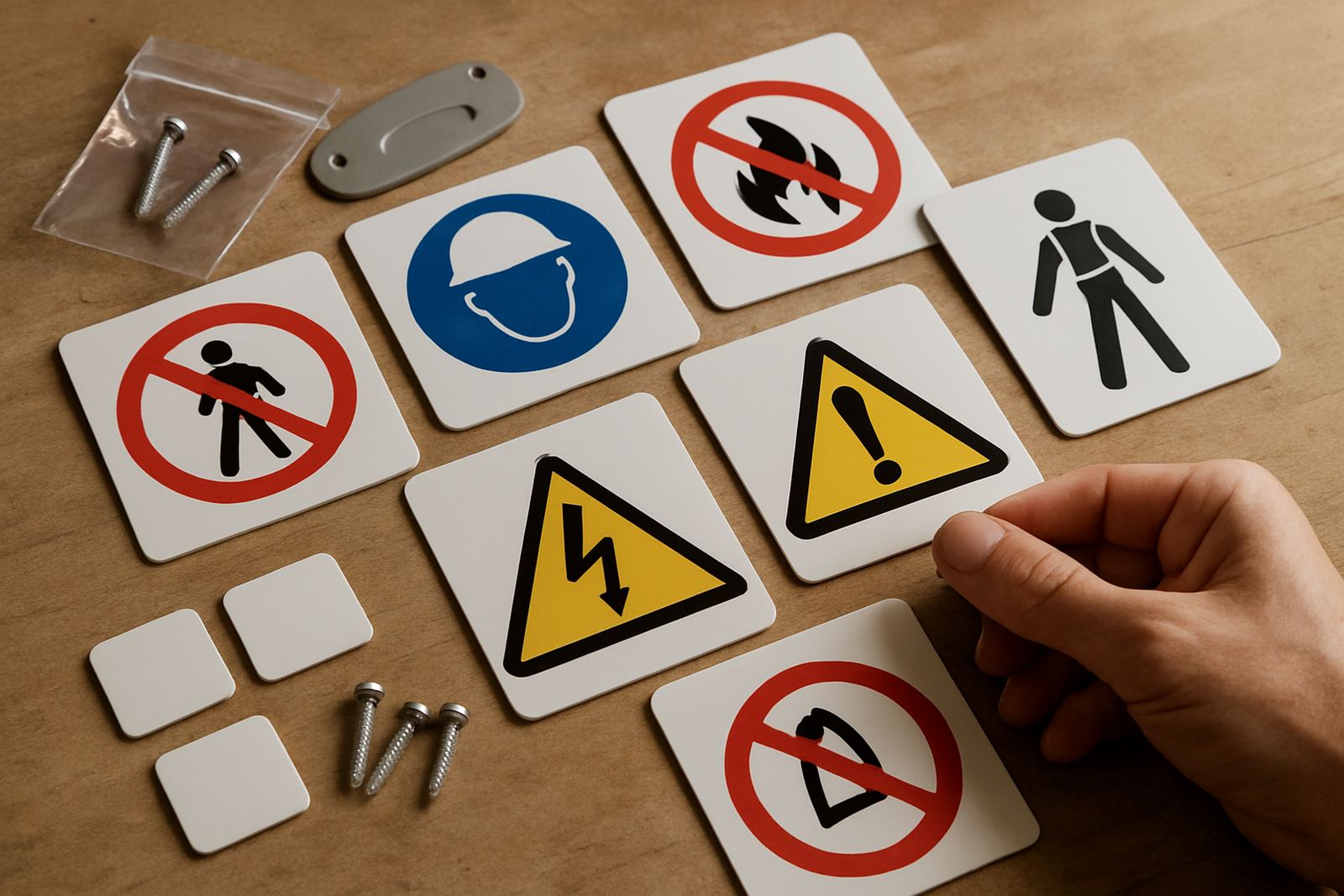
Every print starts with where it will live and how long it must last. A flyer for a weekend market in Paarl needs different stock from a menu board in a busy shop, and a safety sign for a yard in Worcester has to be readable from the correct distance. If you know the purpose first, it is easier to choose the right size, finish and mounting method.
We cover the common choices people ask about, from business cards and canvas prints to vehicle wraps, light boxes and window graphics. The aim is to help you match the product to the job, without paying for extras you do not need. A small typo on a proof can be fixed, but the wrong material or size can cost more later.
Choosing Size, Visibility and Reading Distance
Size is one of the first things to check, especially for signs seen from cars or across a street. A notice board at a counter can be compact, but a roadside sign near Wellington or Malmesbury needs bigger lettering and enough contrast to stay legible in sun and dust. For vehicle graphics, the curve of the panel and the viewing angle matter just as much as the size on paper.
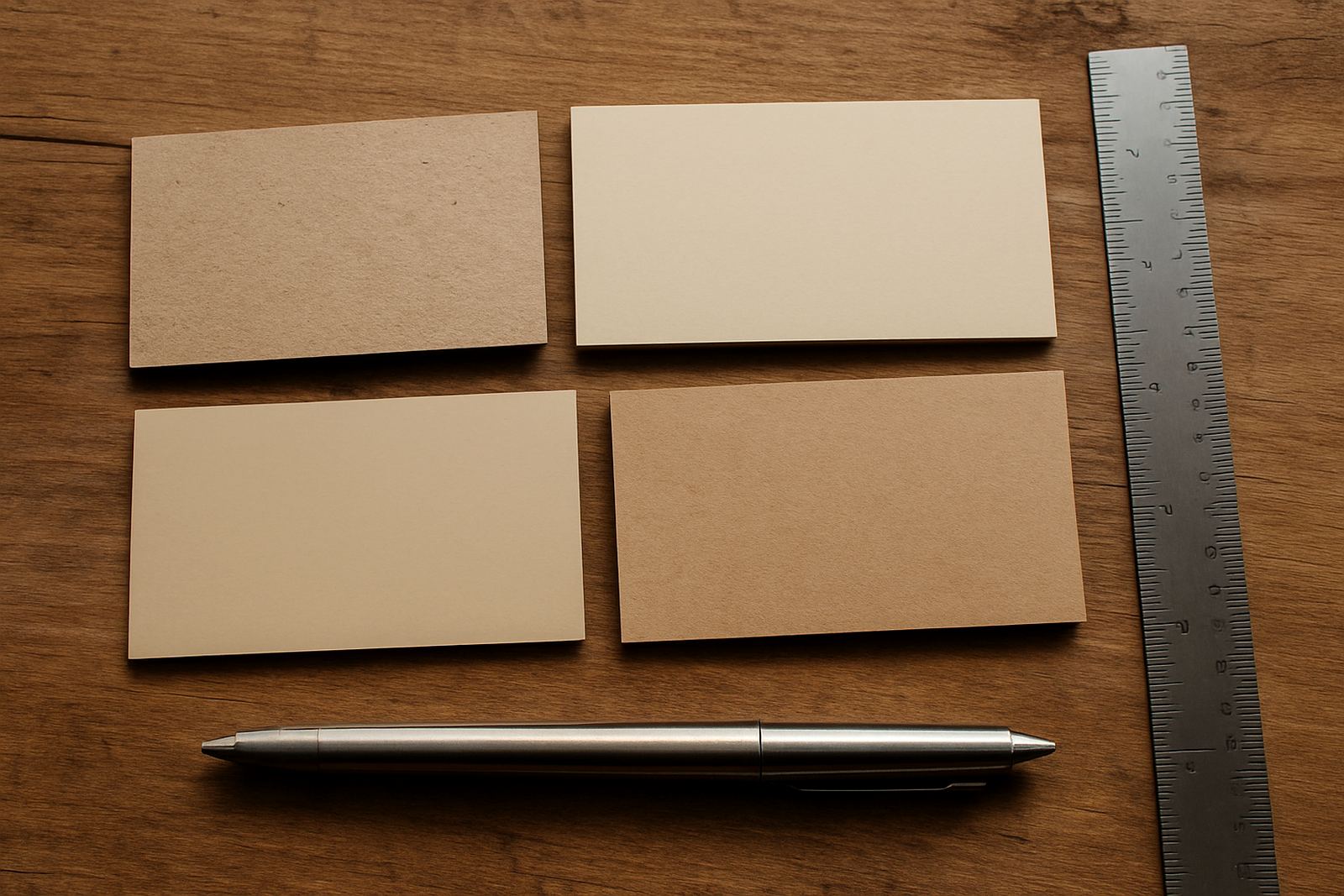
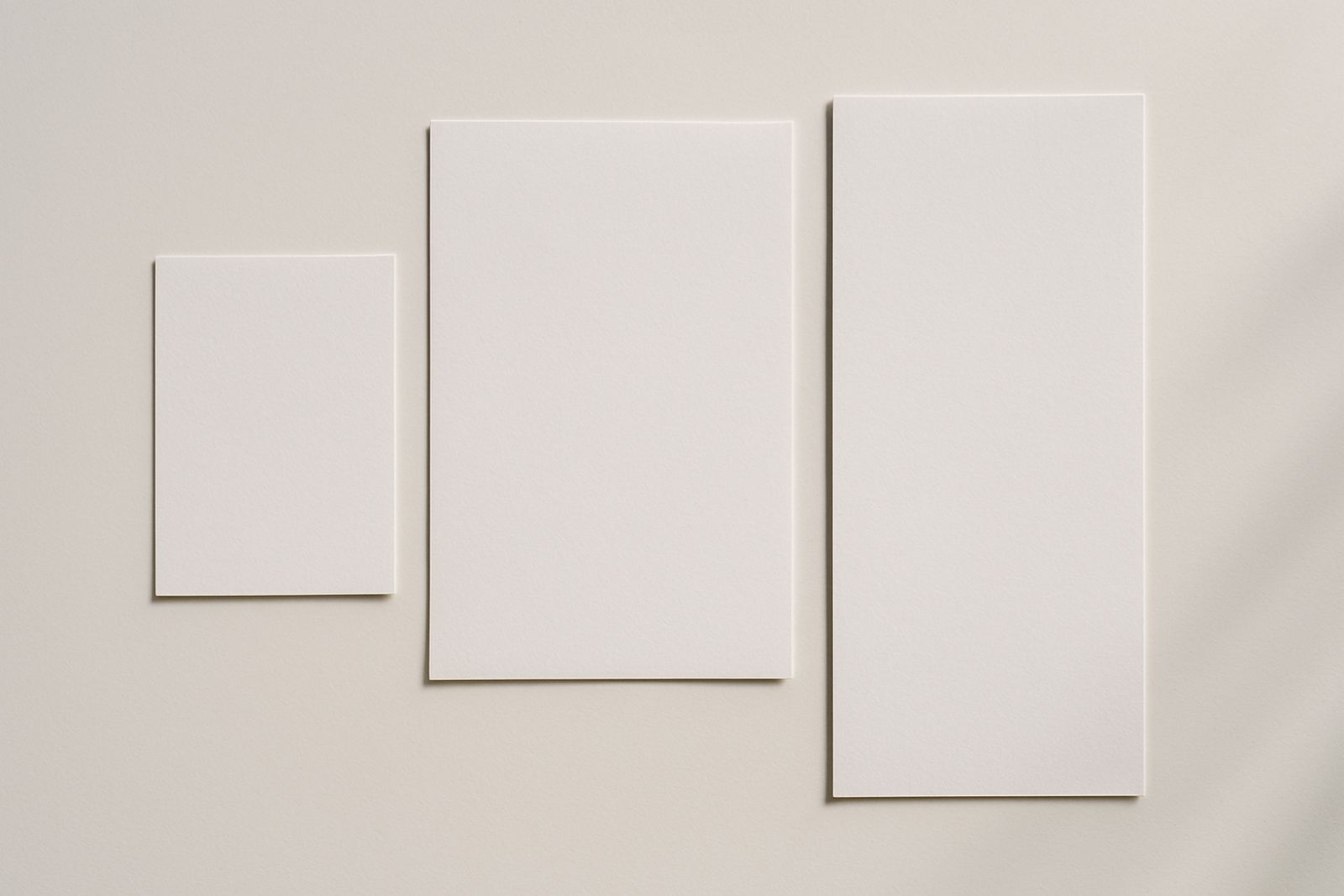
- Small items: business cards, stickers, labels and tags for close viewing.
- Mid-size items: flyers, posters, panels and indoor signs for counters or walls.
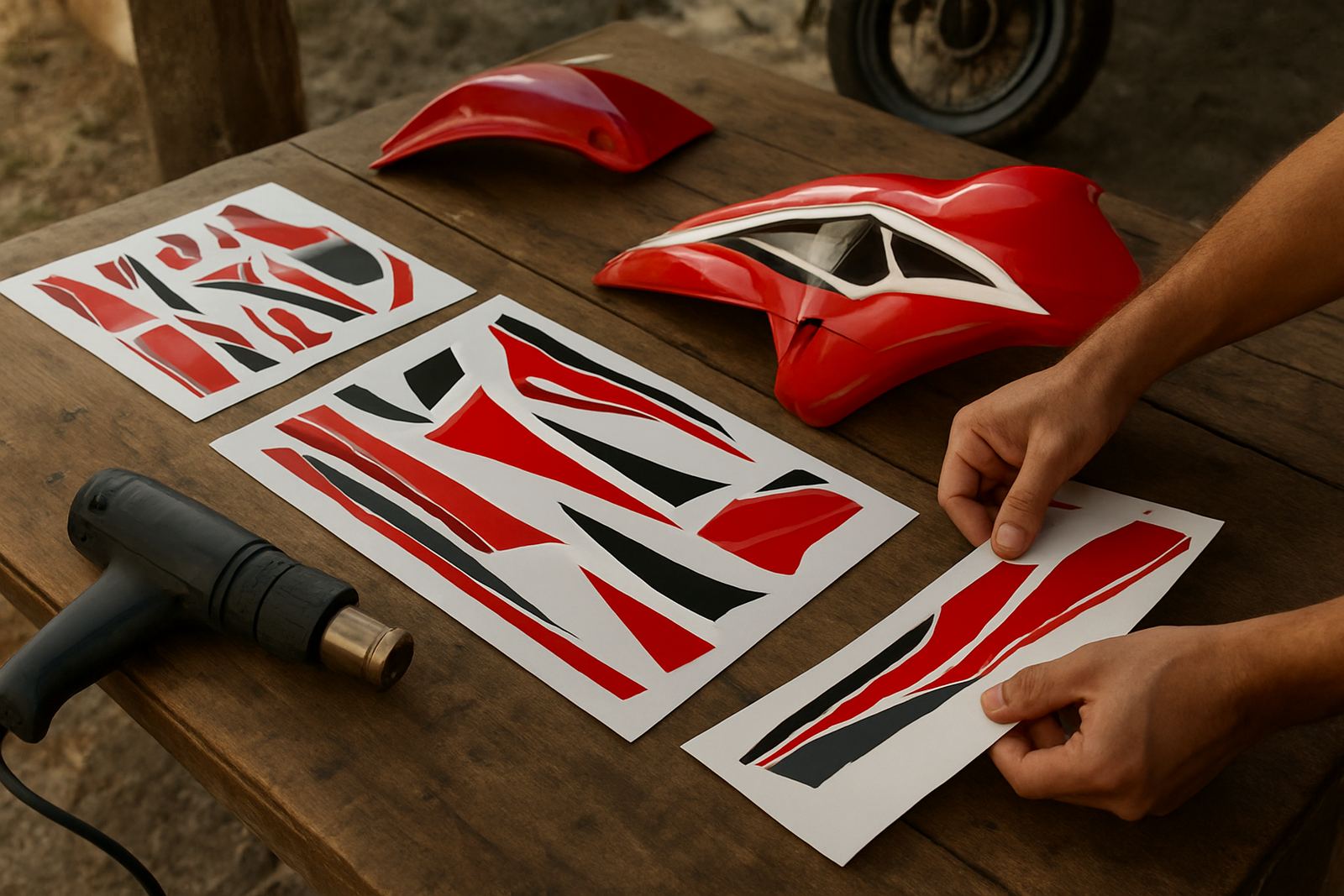
- Large items: banners, building signs, motorbike decals and vehicle wraps for distance viewing.
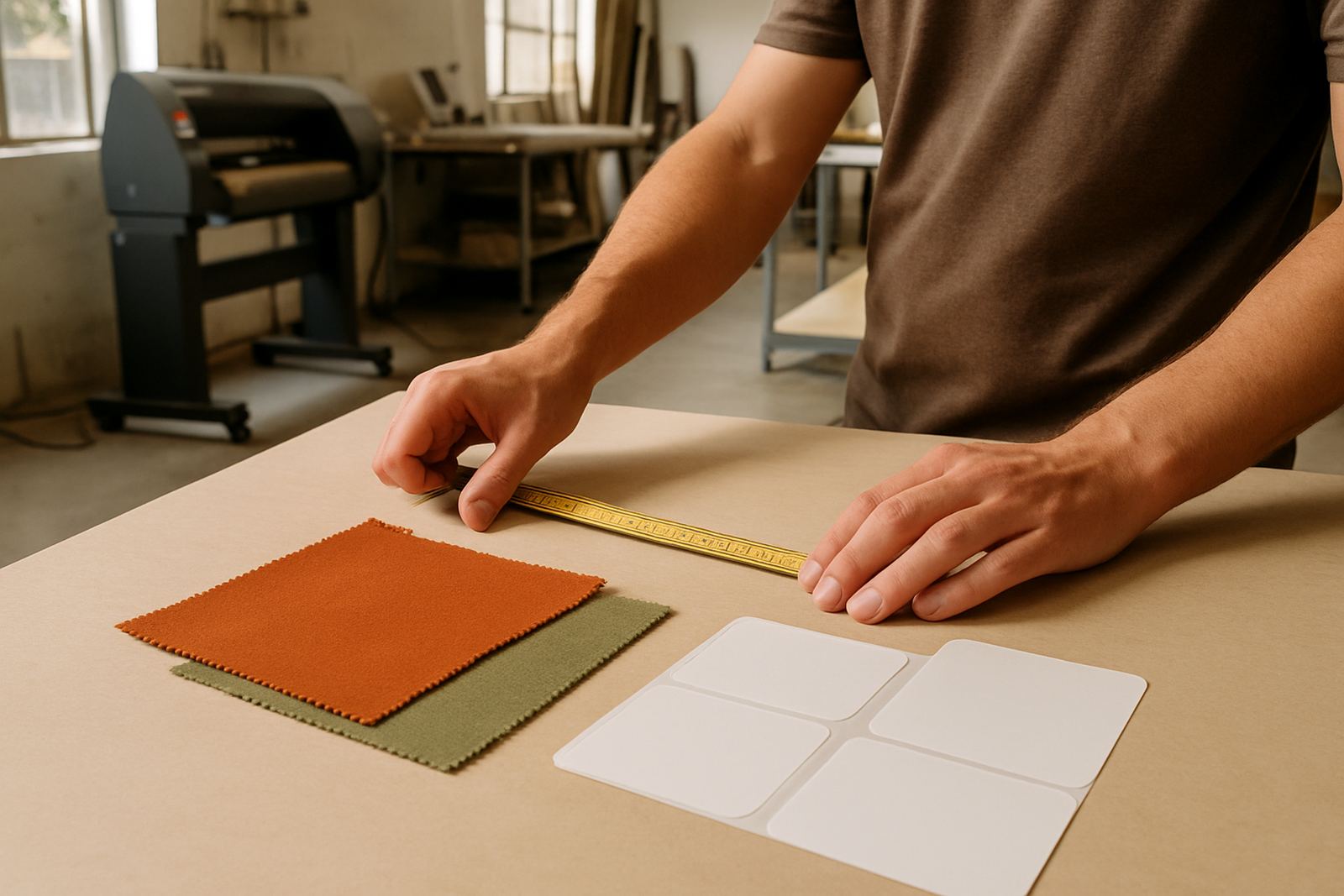
When in doubt, measure the space twice and allow for trim, mounting holes and edges that must stay clear.
Materials That Suit Boland Weather and Daily Use
In the Boland, sunlight, dust and coastal humidity can all affect how long a printed item keeps its colour and shape. For indoor use, paper, board and canvas can work well. For outdoor use, you usually need vinyl, laminated prints or mounted panels that can handle rain and heat. If a sign will be washed down often, or sit in a windy spot, the fixing method matters too.
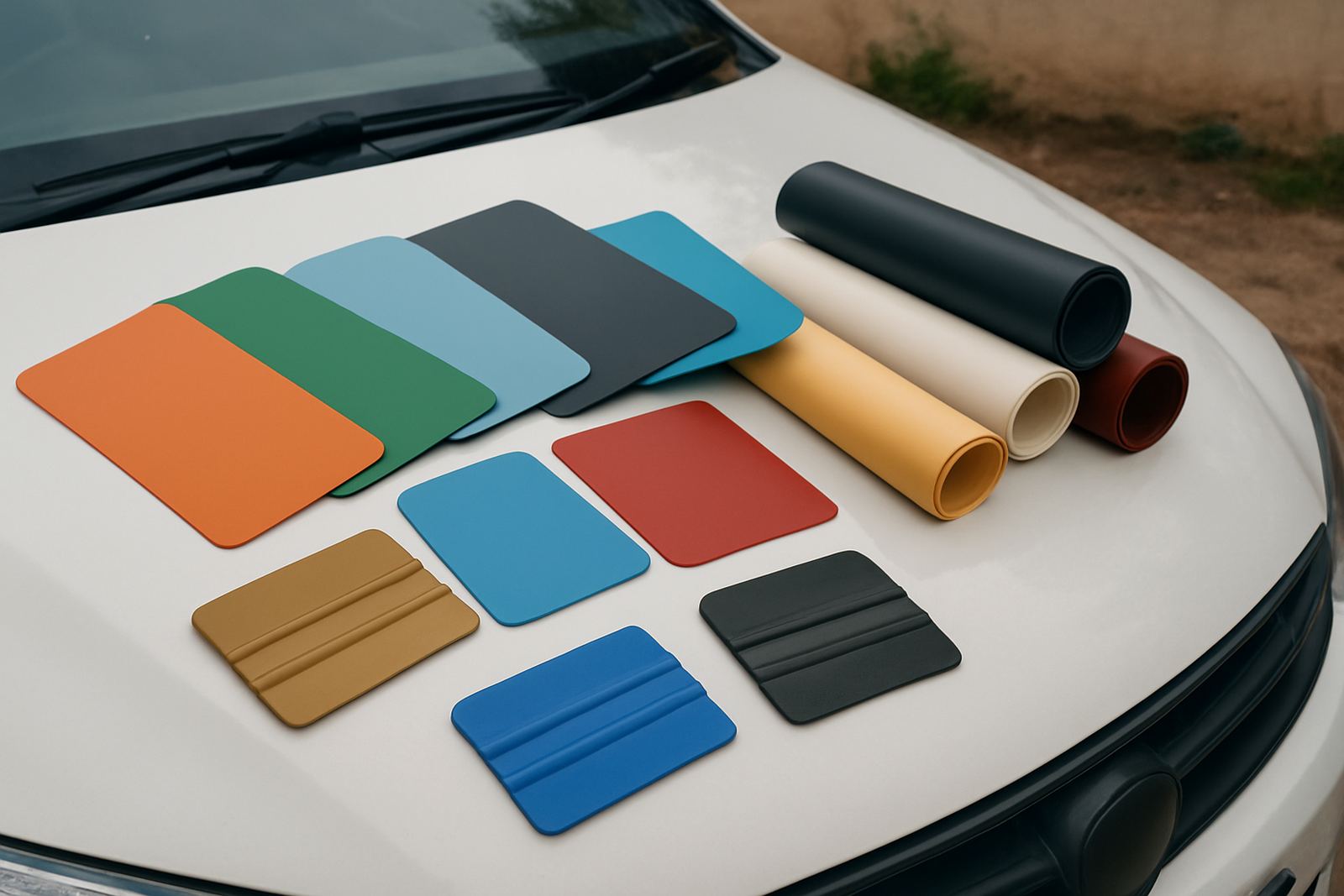
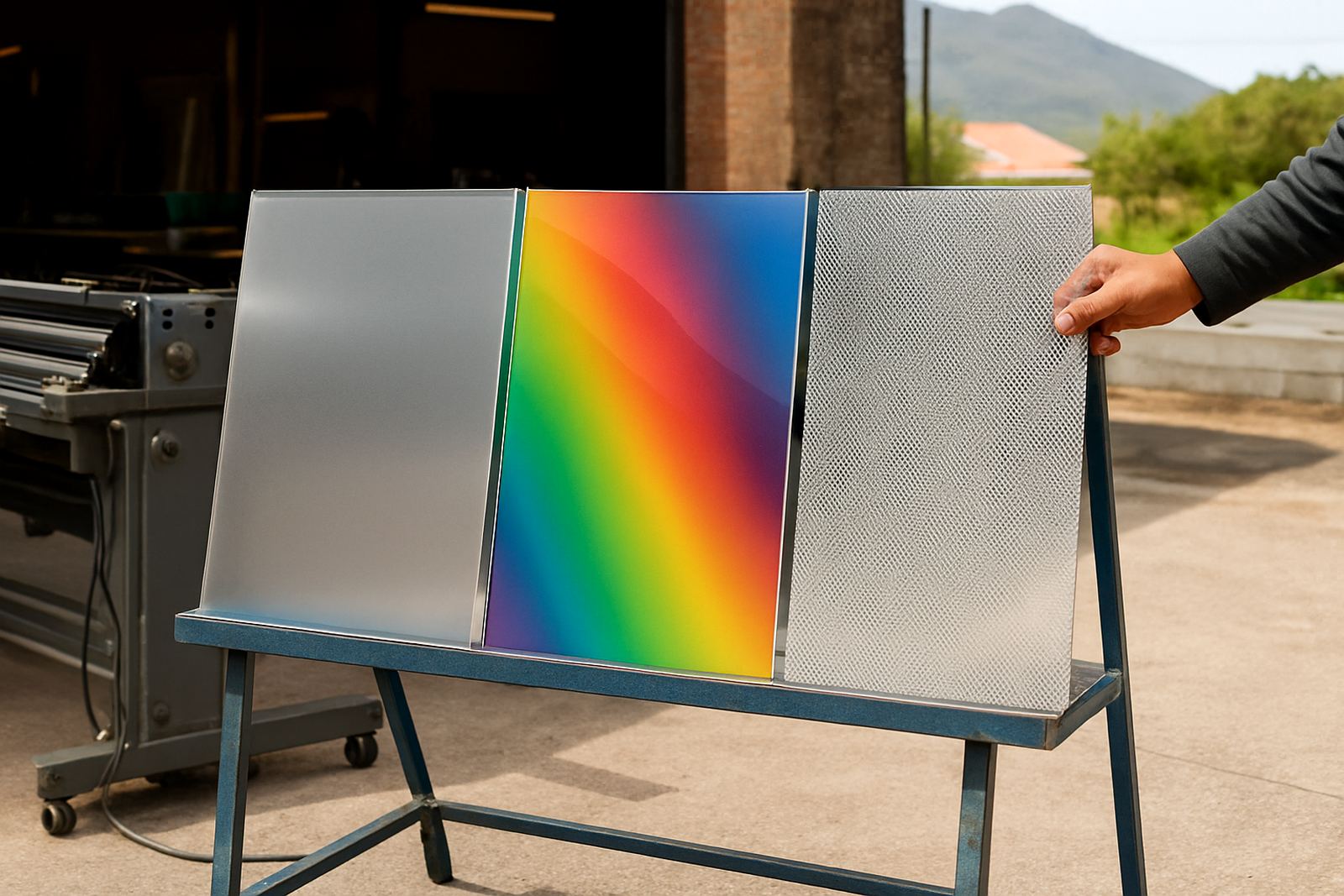
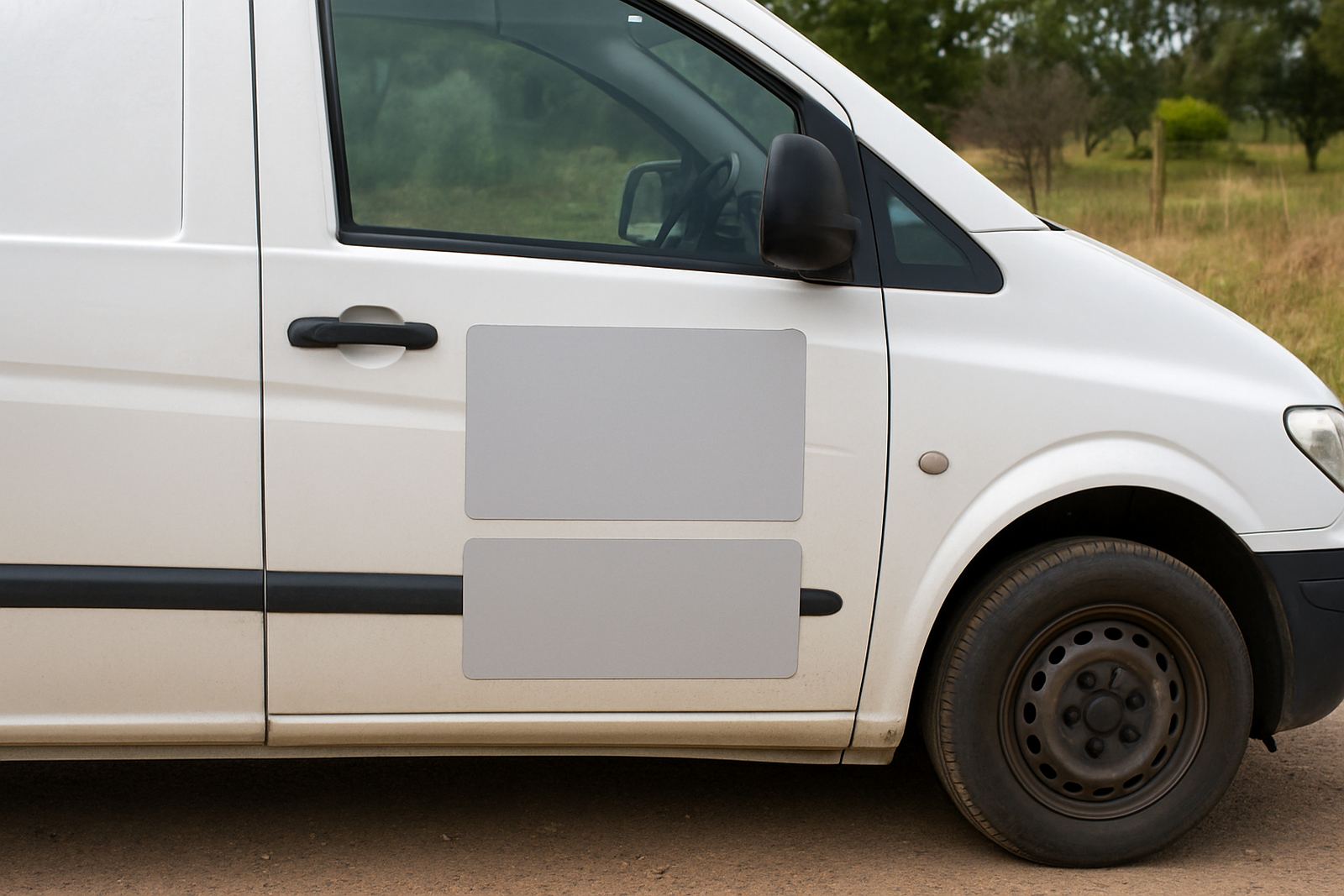
We often guide clients on the practical differences between board, vinyl, mesh, clear film and magnetic material. A magnet is useful for a temporary vehicle message, while contra-vision suits windows where you still want some visibility from inside. If a sign must stand up to regular handling, ask about lamination or a tougher finish.
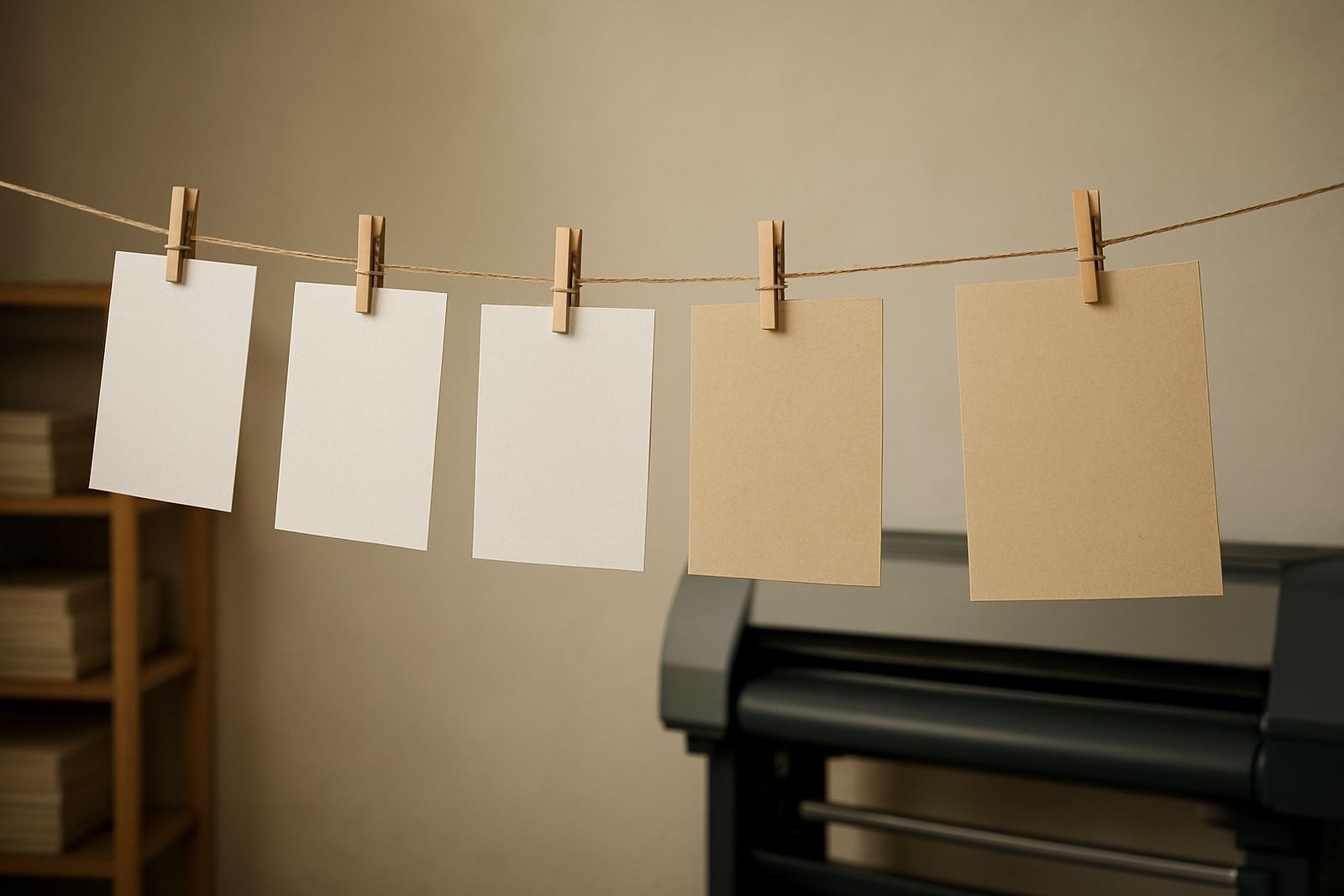
- Paper and card for short-term promotions and office use.
- Vinyl for stickers, decals, graphics and external signs.
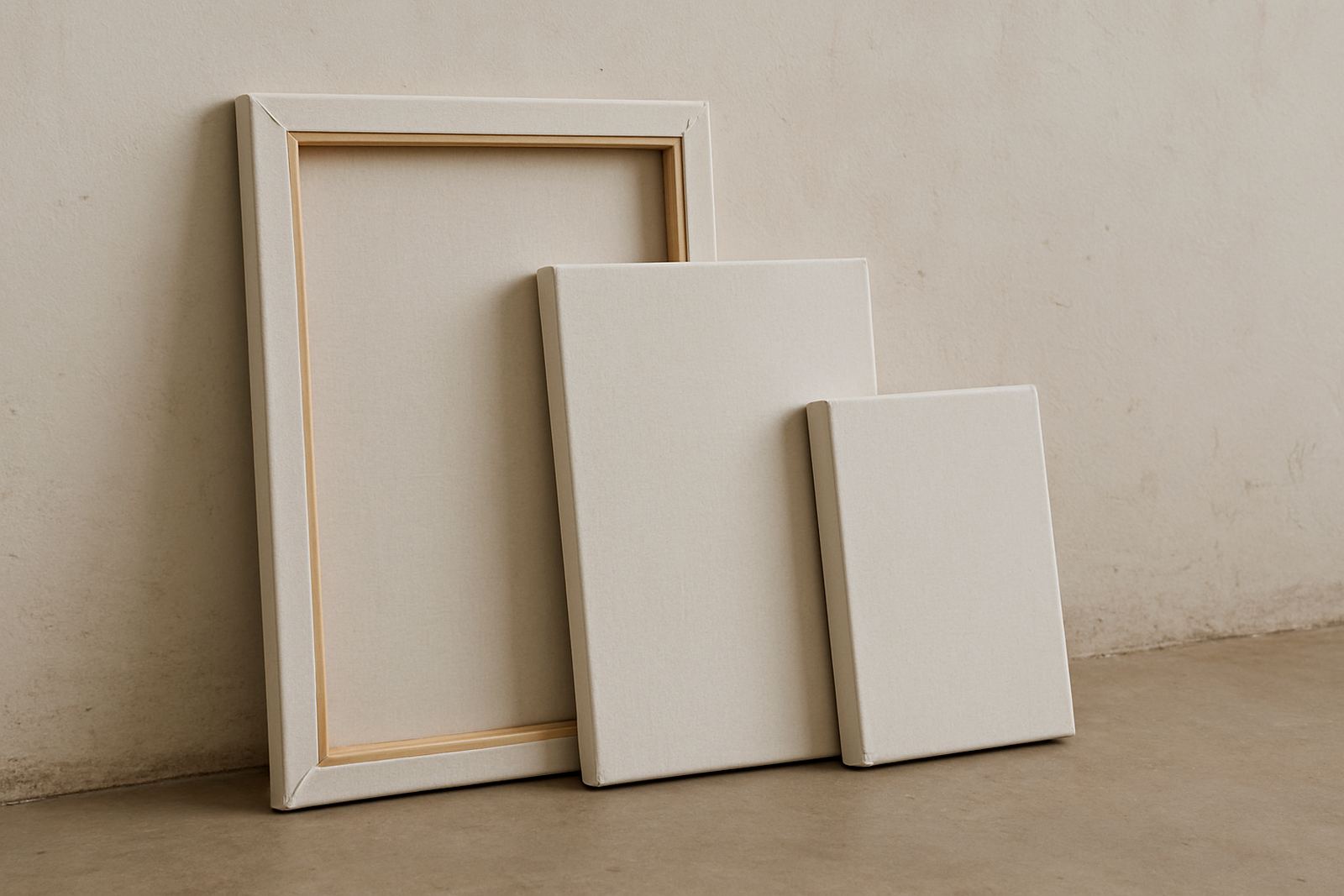
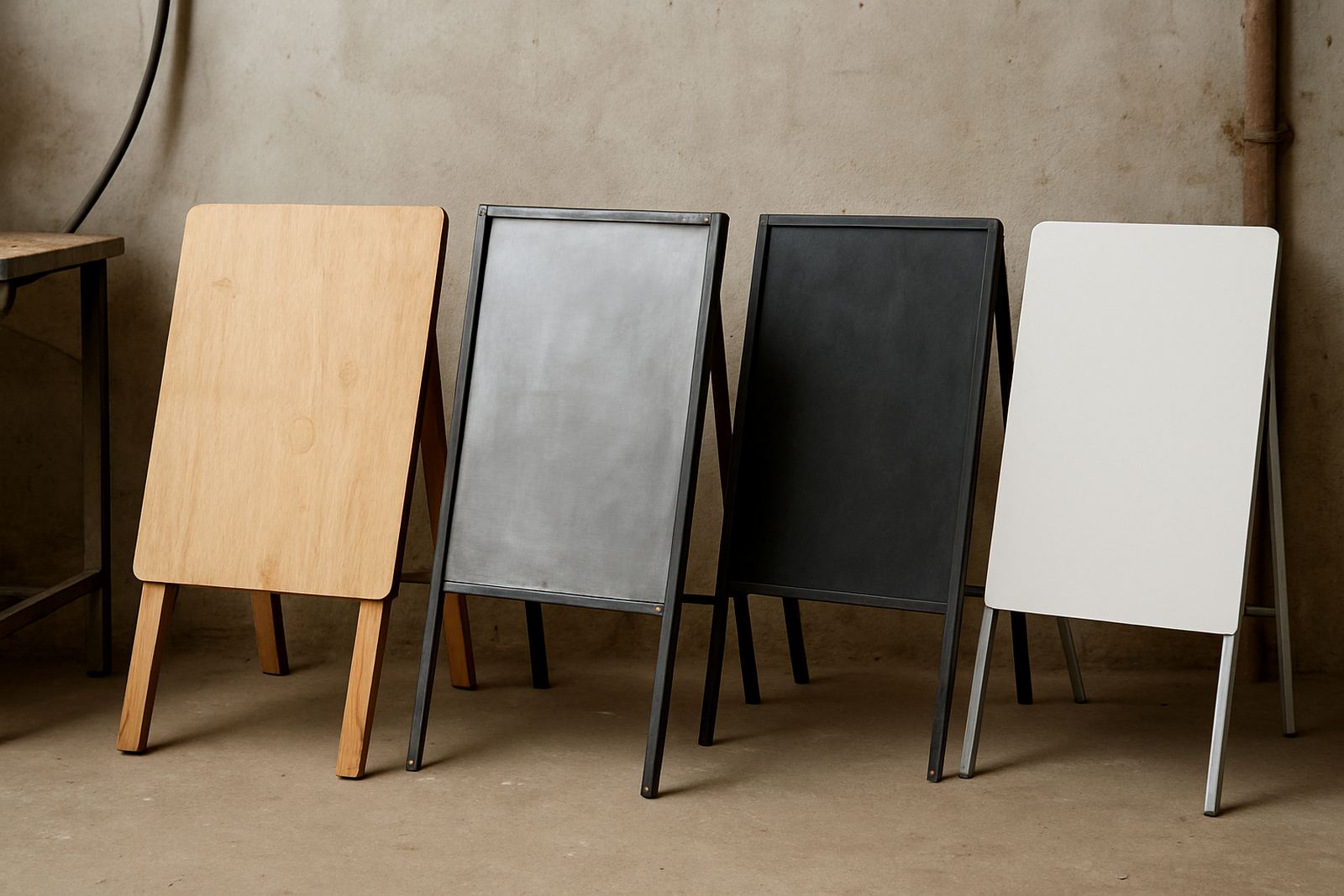
- Board and mounted prints for stable indoor or semi-outdoor use.
- Magnetic sheets for removable vehicle branding.
Artwork Checks, Colour and File Quality
Good print results begin with clean artwork. Images need enough resolution for the final size, and text should be checked carefully before production. A file that looks fine on a phone can still print soft or blurry if it is enlarged too far. Colour can also shift slightly between screen and print, so it helps to plan with practical expectations rather than guesswork.
Our artwork checks focus on the things that normally cause delays: missing fonts, low-resolution images, wrong dimensions and lines that are too close to the edge. If your file needs rework, we can help with that too. It saves time when the brief is clear, the measurements are right, and the proof is approved before the job goes ahead.
Fitment, Mounting and Installation Questions
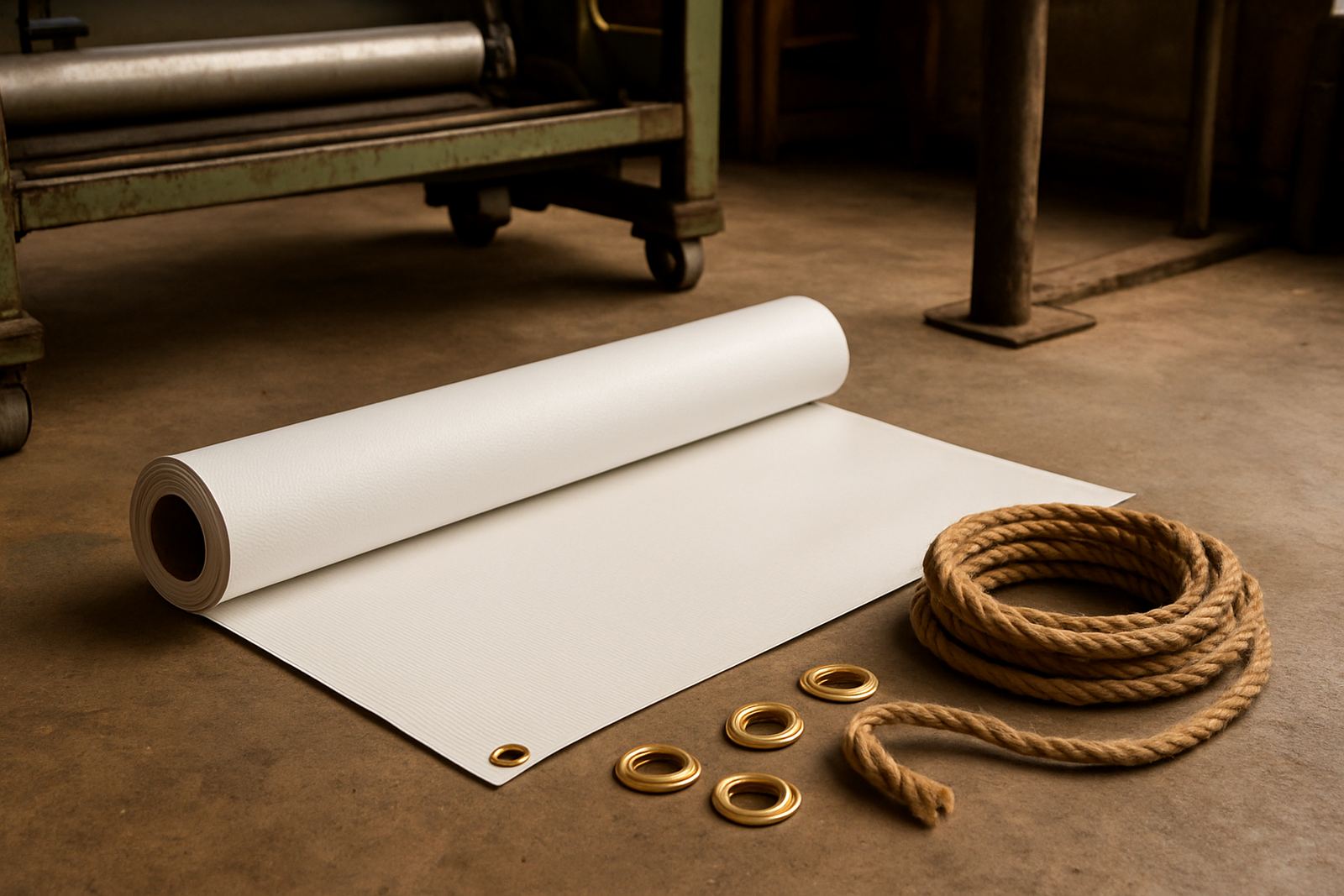
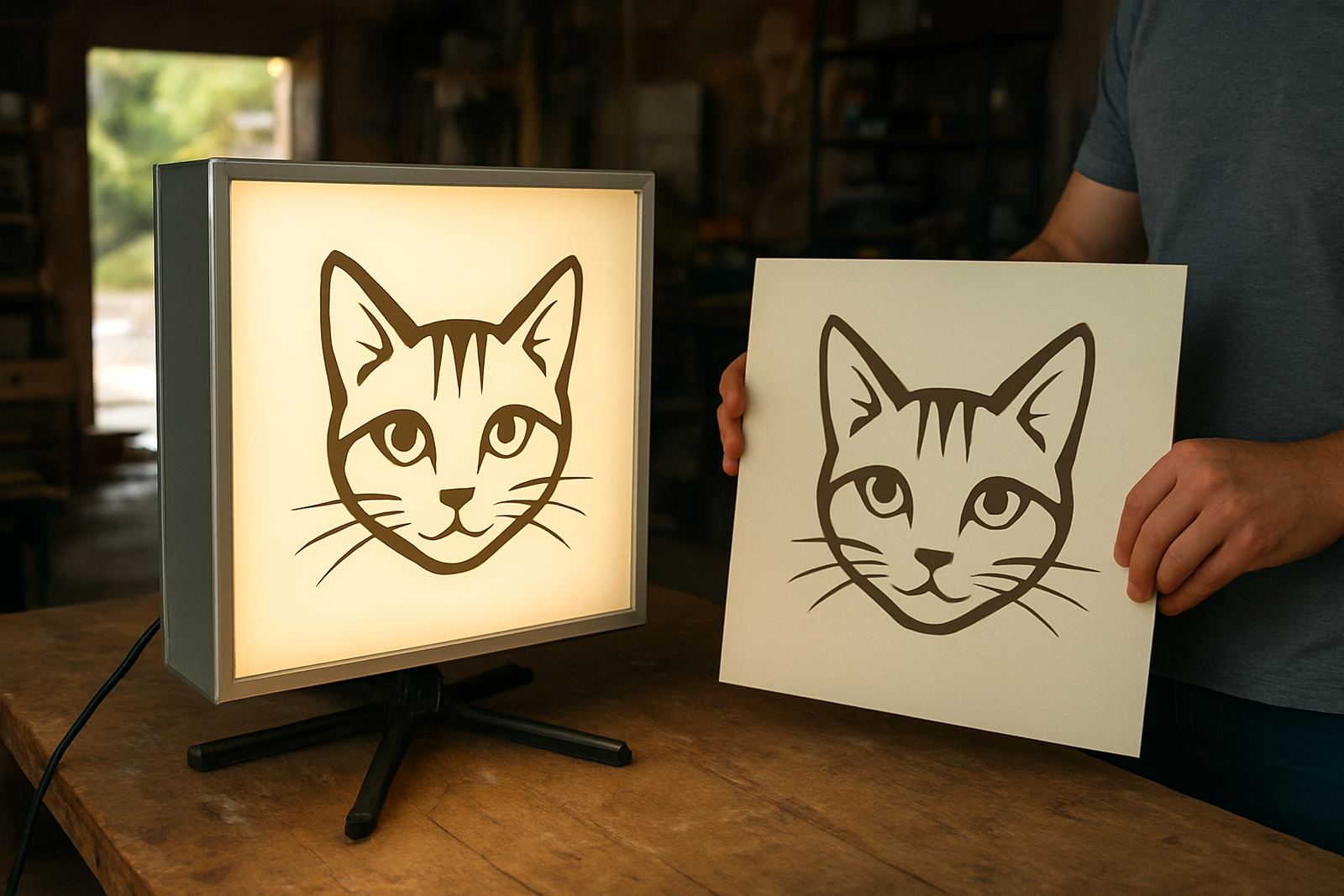
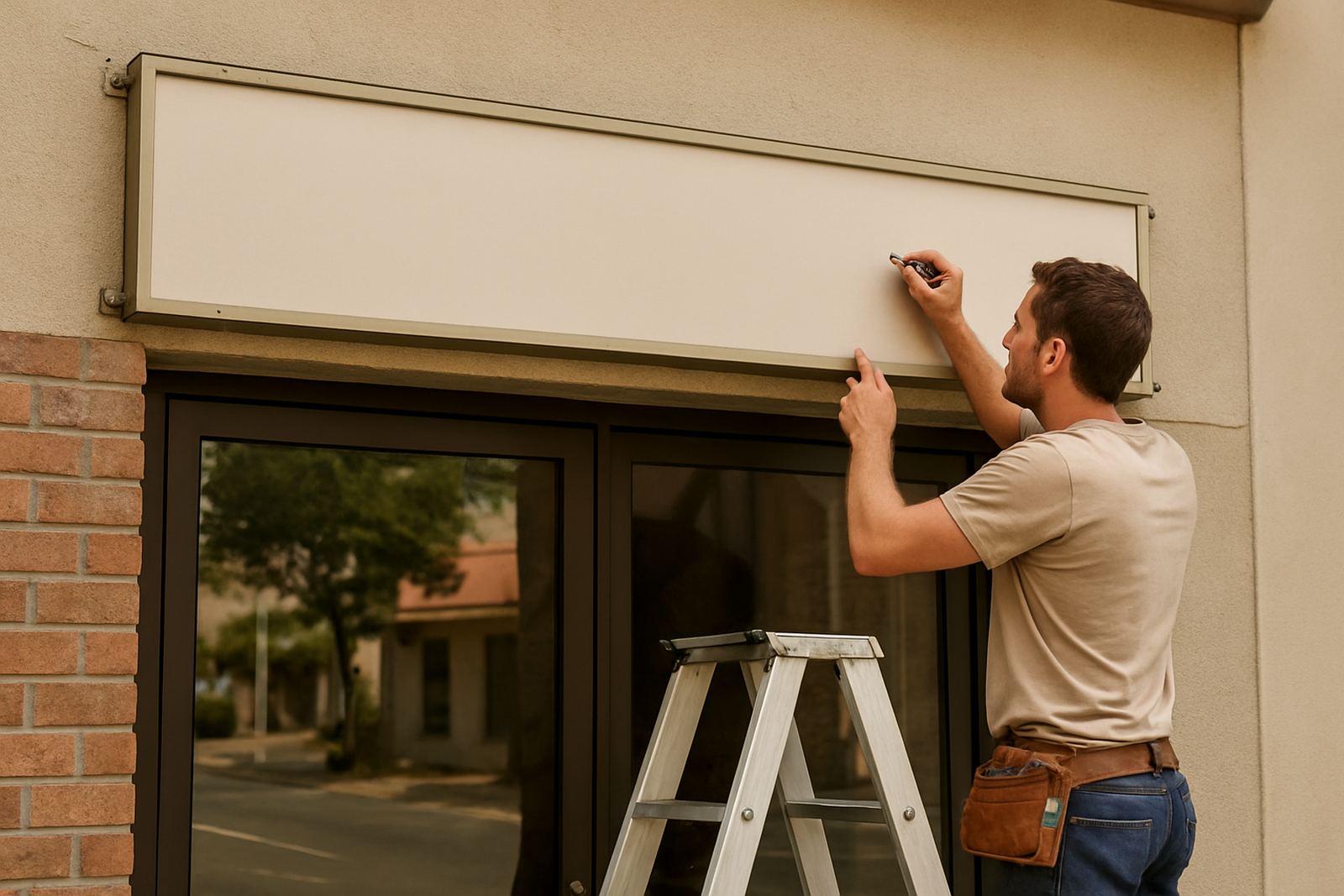
Some products are easy to hand over, while others need site fitting or careful installation. A banner may only need eyelets and rope, but a light box, window frosting or full vehicle wrap calls for proper planning. Think about access, surface condition and whether the item must be removed later without damage.
For businesses in Paarl, Stellenbosch and Franschhoek, we often help with the practical side of fitment. That can include wall fixing, board mounting, window application and vehicle fitment. If the surface is uneven, dusty or freshly painted, the timing may need to change a bit. It is better to install once, properly, than redo the job after the first week.
When to Reprint, Refresh or Replace
Print and signs do not need to be replaced only when they fail completely. Sometimes a reprint is the better choice because a phone number has changed, the business has new hours, or the design needs a cleaner look. Sign refurbishment can also bring an older panel or frame back into use without starting from scratch.
As a rule, faded graphics, lifted edges, cracked boards and out-of-date details are signs that it is time to update. If the structure is still sound, a fresh print or new vinyl layer may be enough. If the surface has gone brittle or warped, replacement is usually the smarter option. That choice depends on the job, the site and how long you need the result to last.