Pick the board for the job, not just the price
For campaign work, the cheapest board is not always the best value. A board for a weekend market in Paarl does not need the same build as a notice that will sit outside a construction gate for six weeks or a seasonal promotion on a shop wall in Wellington. The first step is to match the material to the time it must stay up, the weather it will face and whether it needs to move from one site to another.
Light boards are useful for brief indoor use and dry outdoor spots, while thicker rigid boards suit repeated handling and longer exposure. In the Boland, sun and wind can turn a small sign into a problem if the board flexes too much or if the fixings are weak. Along the coast it is even more important to think about moisture, but inland dust and heat also matter. A clean board with the right finish lasts longer and reads better, which saves reprints and patchwork later.
- Short indoor campaigns: lighter board, easy to mount and remove
- Outdoor notices: thicker board with better edge support
- Temporary site signs: board that can take screw fixing or frame mounting
- Repeat-use boards: a surface that can be updated or reprinted
When a campaign board needs to travel
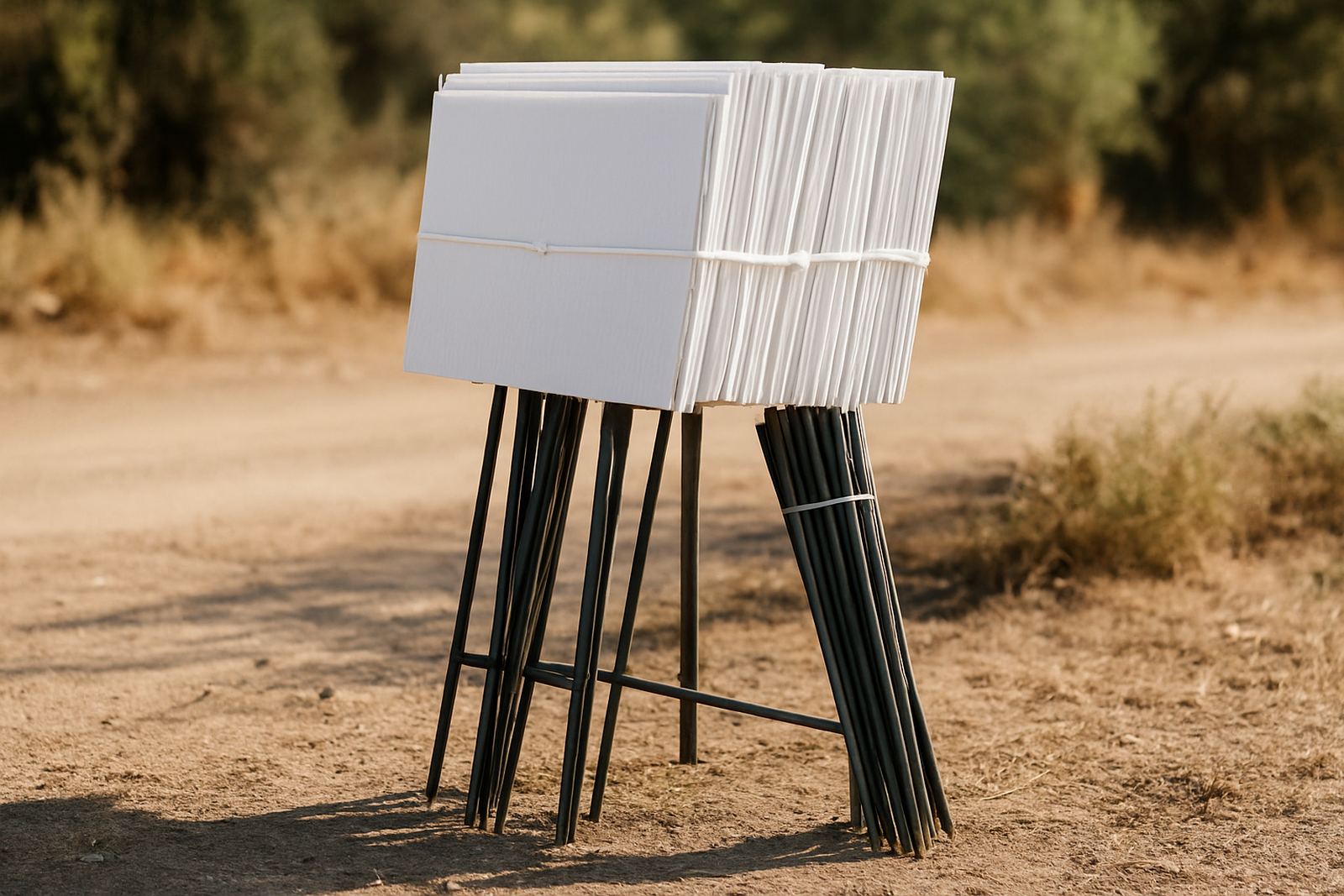
Campaign boards are often moved from one venue to another, so weight and handling count. A community event in Franschhoek today may need the same set of boards in Stellenbosch next week, and staff must be able to load and unload them without damage. If a board is too flimsy it bends, if it is too heavy it becomes a nuisance during setup and storage.
For this reason we often guide clients toward formats that stack well and hold shape during transport. Corners should be protected, mounting holes placed with the final installation in mind, and the printed face sealed where needed. If the board is going in and out of bakkies, trailers or store rooms, ask for edge protection or a finish that resists scuffing. Small details like this make a difference when a campaign has five stops in one week.
- Plan the size around the vehicle and the wall space
- Check whether the board will be handled by one person or a team
- Allow for wind load if it is going into an open area
- Keep the message simple so people can read it at speed
Printing choices that help the message hold up
The print method should suit the board surface and the purpose of the sign. For short campaigns, crisp lettering and solid colour blocks are usually more important than fancy effects. A board with good contrast can be read from the street or across a hall, and that is what gets the notice seen. If the artwork is full of tiny text, the message often becomes weak once the board is hung at a distance.
We check artwork before printing so the final result stays clear, with the right bleed, margins and resolution. For many campaign boards a laminated face helps against scratches, fingerprints and light rain. If the sign may be updated later, it helps to think ahead about whether the layout can be re-used with a new date, price or venue line. That way the same board can serve more than once instead of becoming waste after one event.
Temporary notices for sites, schools and events
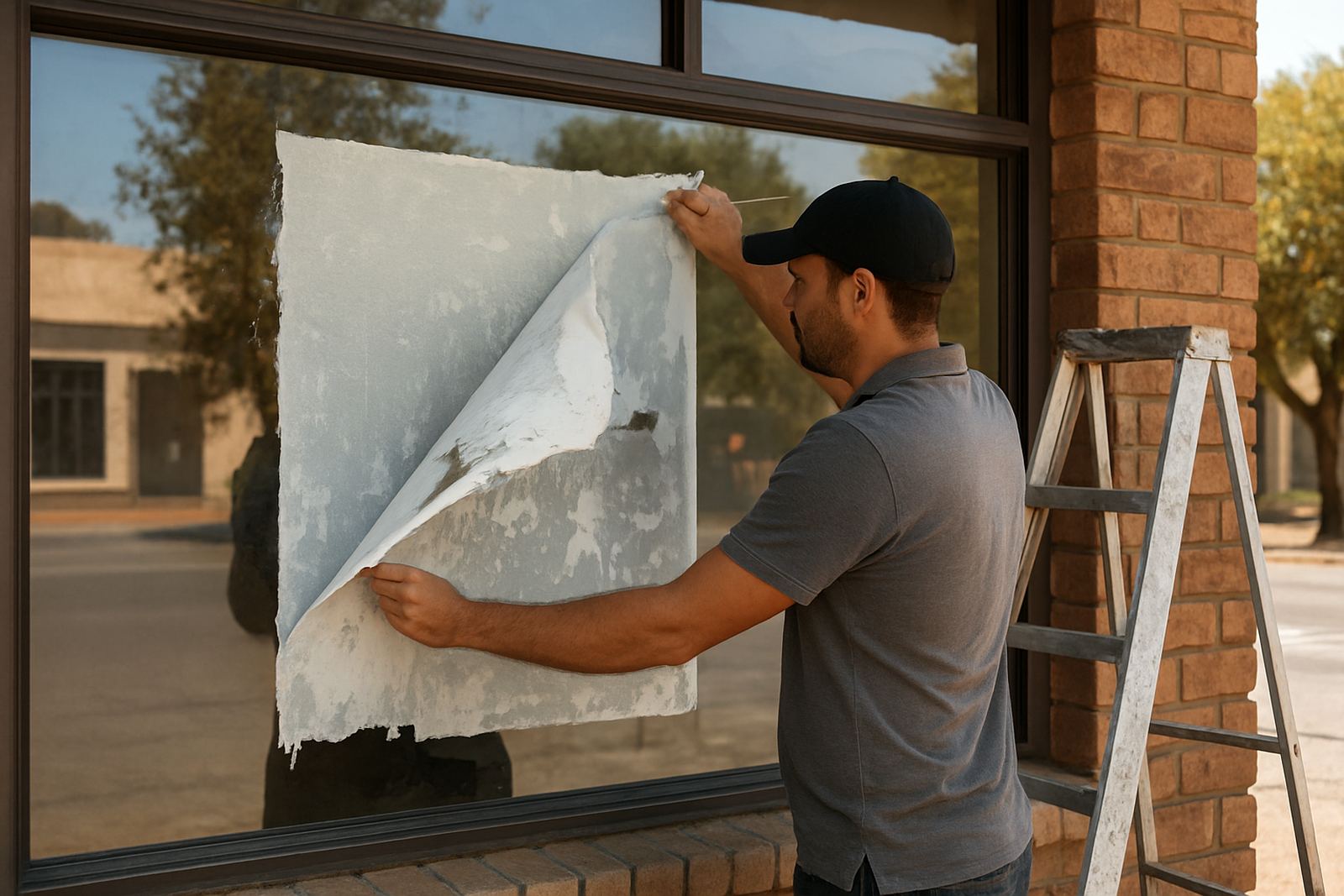
Temporary boards are not only for promotions. They are also used for access control, directional notices, safety messages, parking instructions and event wayfinding. A school in Paarl might need a clear sign for a fundraiser entrance, while a contractor in Malmesbury may need site warnings and direction boards for delivery trucks. These signs must be plain, visible and easy to place where people will actually see them.
Municipal and site rules can affect what you may mount on gates, fences and roadside points, so it helps to keep the board practical and removable. For temporary use, fixings should be neat and strong but not overdone. If the board is going onto a fence or scaffold, think about wind movement and whether the surface is flat enough for a clean fit. A sign that flaps or twists can become unreadable very fast.
- Use high contrast colours for fast reading
- Keep wording short and direct
- Choose fixing points that suit the surface
- Leave room for dates, arrows or emergency details
Local conditions in the Boland change the choice
Paarl, Wellington and the wider Boland can give you four seasons in one week. Strong sun can fade a weak print, afternoon wind can pull on the fixings and winter rain can work its way into poor edges. For short campaigns this does not mean you need the heaviest board available, but it does mean you need to be sensible about the finish and the setting.
A board for an indoor expo hall in Stellenbosch is different from one on a farm gate near Franschhoek or beside a busy road near Worcester. If the sign must face direct sun, a smoother finish and stronger ink coverage help the image stay readable. If it is going near irrigation, mist or damp, the edges and backing need attention too. A little planning at the start saves you from replacing it before the campaign is finished.
What we look at before a board goes into production
Every campaign board starts with the same basic questions: where will it go, how long must it last, how big should it be and who needs to read it. We also look at whether it needs mounting holes, stand-off fixings, hanging points or a plain backing for adhesive fitting. If the board is for a vehicle yard, event fence or shop front, the layout may need to work from both near and far.
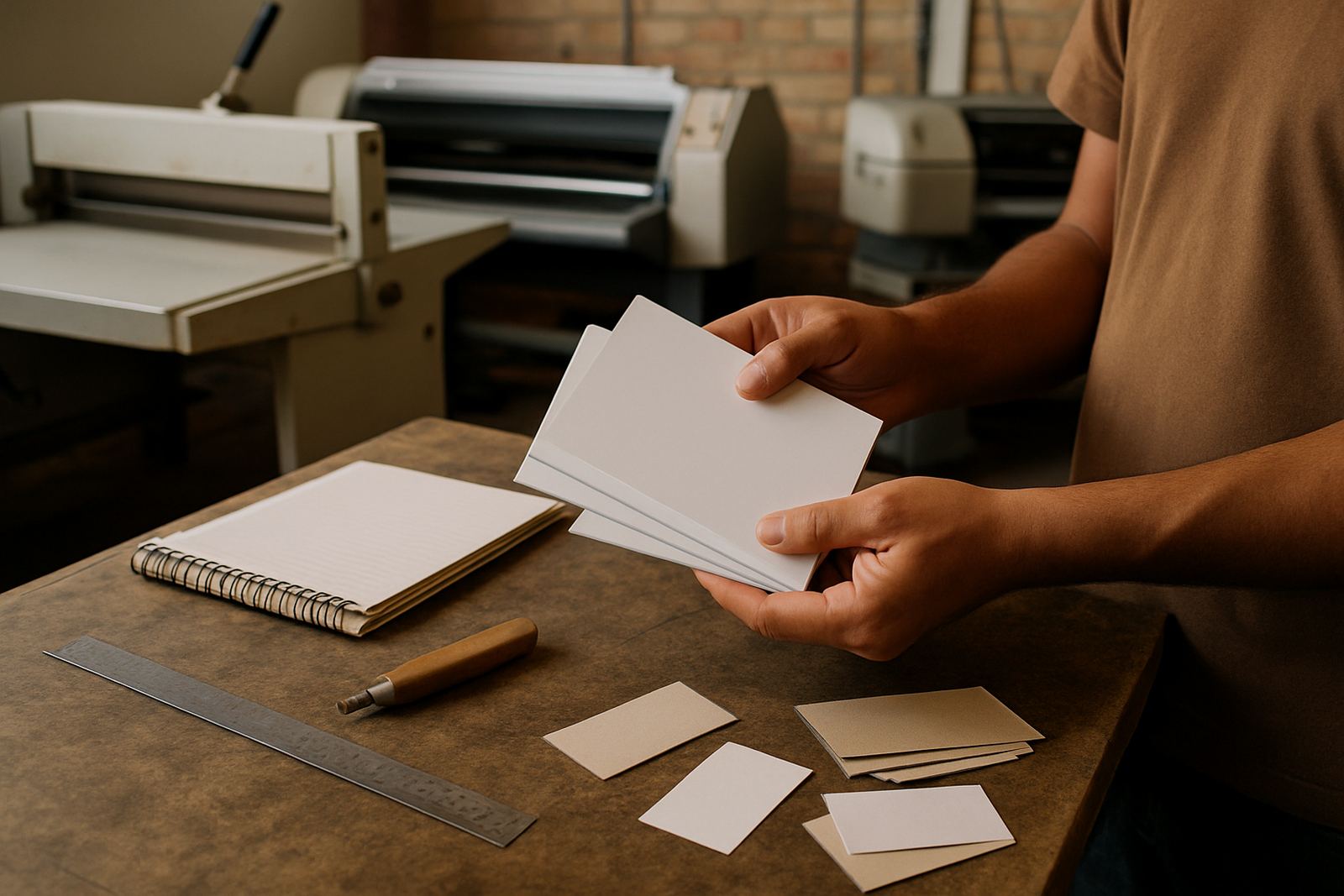
Our studio checks artwork, the print team prepares the surface and the finishing stage makes sure the board is ready for installation or collection. If there is a shortage of time, clear information from the start helps us keep the work moving. When a campaign is brief, the best result is a board that arrives on time, reads cleanly and does not need a second go. That is the sort of job that saves money and keeps the message sharp.