Why short runs make sense when prices keep moving
In the Boland, prices can shift quickly. A café in Paarl might be adjusting menu boards after a supplier increase, while a contractor in Wellington may need new safety signs when a job scope changes. If you print a large batch too early, you can end up with old pricing sitting in a cupboard. That is money tied up in paper, vinyl or board that no longer earns its keep.
Small runs help you print only what you need for the next stretch of trade. It is easier to update specials, product labels and service information without wasting old stock. For businesses that deal with changing rates, seasonal offers or tender work, short runs keep the printed message current and reduce the risk of reprinting a full batch later.
- Ideal for price changes on menus, flyers and labels
- Useful when promotions are only running for a few weeks
- Helps avoid holding outdated stock after a price increase
- Makes it easier to test which message or design gets the better response
Better cash flow for startups and growing teams
New businesses often need a lot at once: cards, flyers, signs, window graphics and vehicle markings. Buying everything in a large quantity can stretch the budget too far. A small run lets you launch with enough material for the first round of customers, while keeping cash available for rent, fuel, stock and wages.
This is especially useful for start ups across Paarl, Stellenbosch and Franschhoek where trading can start small and grow quickly. Instead of committing to hundreds or thousands of items before you know what works, you can order a smaller batch, see how clients respond, then top up with a better idea of what to change. That approach keeps pressure off the books and gives you room to make smarter decisions.
It also helps when load-shedding, weather delays or supplier changes affect your plans. If you only need a limited quantity, it is easier to keep moving without waiting on one large order to be perfect.
- Lower upfront spend on first-time marketing material
- Less risk if your offer or phone number changes soon after launch
- Room to adjust the layout, wording or finish after feedback
- Useful when you are testing a new branch, route or product line
Short runs are useful for promotions that change often
Promotional material should work hard while it is relevant. A weekend special, holiday offer or expo price should not keep printing long after the campaign is over. Small runs are a practical way to match print quantity to the life of the promotion.
For example, a butcher in Malmesbury might want price cards for a month-long winter special, then a new set for the next month. A motorbike rider offering delivery in Worcester may need temporary decals for a campaign, then a revised version once the offer changes. Small runs let you keep the message fresh without ending up with unused posters or outdated stickers in a drawer.
It also helps when you want to test different offers. Print one small batch for one deal, another for a second message, and see which one gets better response. That kind of trial is much cheaper when you are not locked into a huge quantity.
Local example from Paarl to the wider Boland
Think about a small business in Paarl running a school holiday special. They may need a few banners for the street front, short-run flyers for nearby homes, and window stickers for the shop door. A month later, the message changes again for a new season. In that case, a full bulk order would be wasteful. A smaller run means the promotion matches the moment, and the budget stays under control.
The same applies to a vehicle owner who wants temporary branding for a service launch or a rider who needs fresh panels after a route change. Around Wellington, Simondium and Klapmuts, road dust, sun and rain can wear material down, so it is sensible to print what is needed now and then refresh it when the work changes. For coastal humidity further out, correct materials and finishing matter too, especially for outdoor signs and vehicle graphics.
Small runs are not only about quantity. They are also about timing, clarity and not overcommitting when your business is still finding its pace.
What you can print in smaller quantities without waste
Some products suit short runs better than others. Anything that carries prices, dates or changing contact details is a strong candidate. So are items used for a limited campaign, event or site job. A smaller batch can still look sharp and professional when the artwork is checked properly and the finish suits the use.
Common short-run items include:
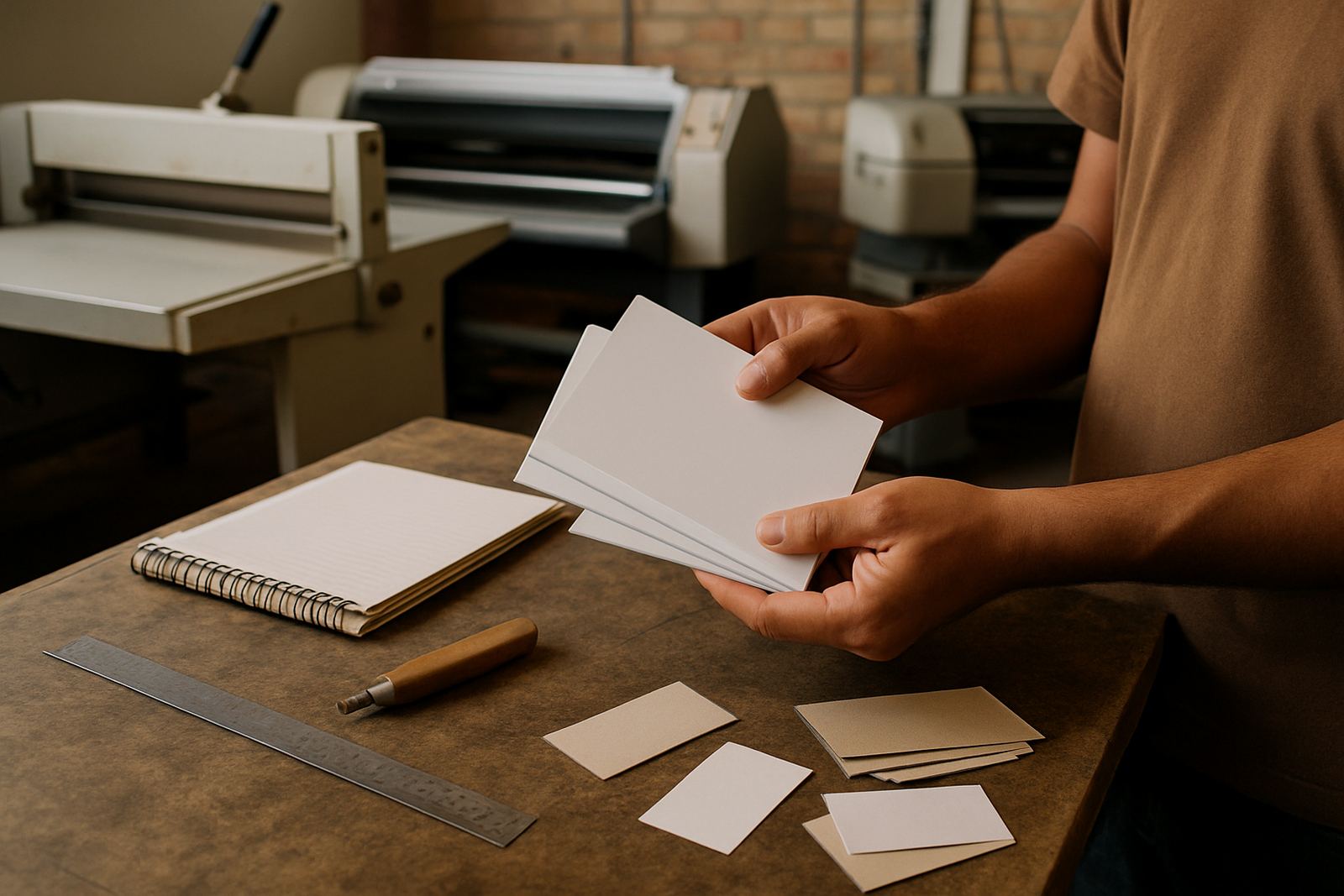
- Business cards for new staff, small launches or updated details
- Flyers for a short promotion, market day or open day
- Canvas prints for reception areas, waiting rooms or gifts
- Vinyl stickers for labels, branding and temporary notices
- Safety signs for site changes, access routes or compliance updates
- Banners for events, trade days and seasonal specials
- Vehicle decals and magnets for updated services or contact details
When the order is smaller, it is still worth checking the layout, spelling and spacing carefully. A neat small run looks far better than a large batch with one mistake repeated over and over.
How to get more value from a small print order
The best short runs are planned with purpose. Keep your message clear, choose sizes that suit where the item will be used, and make sure the artwork is set up correctly before printing. That saves rework and helps each item do its job properly.
A few practical tips can stretch your Rand further:
- Use one clear message instead of trying to say too much
- Choose standard sizes where possible to avoid extra waste
- Leave room for updates if prices or dates may change soon
- Match the material to the setting, such as indoor, outdoor or vehicle use
- Order only enough for the current campaign, then reprint if it proves itself
For businesses in Paarl, Wellington and the surrounding Boland, small run printing is often the smart middle ground. It keeps your materials current, protects cash flow and lets you respond quickly when trading conditions shift. That is practical favour for a business that needs to stay visible without overspending.