
Choose the spot people already look at
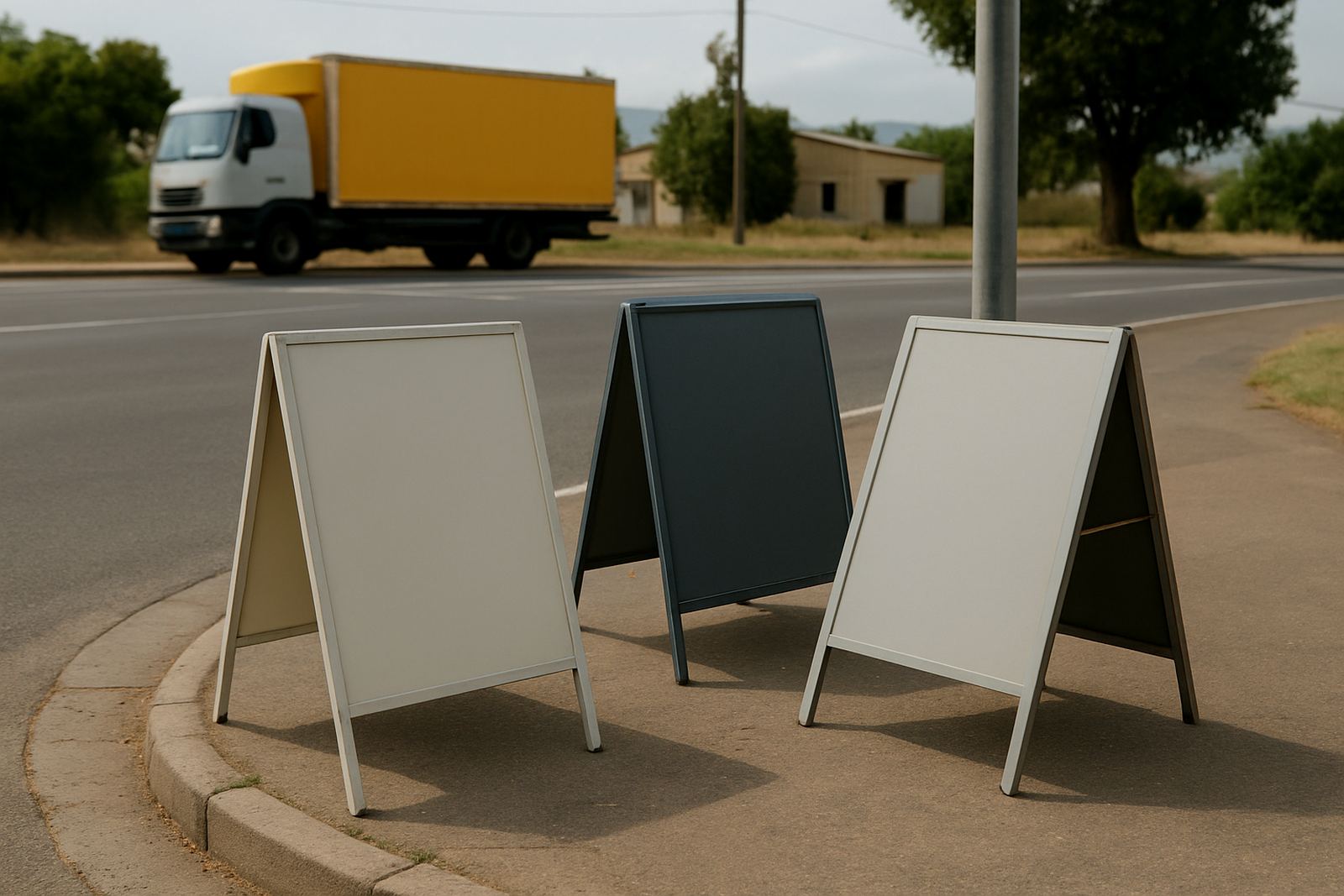
Directional boards work best where drivers, riders and pedestrians naturally slow down or turn their heads. Think of gate entrances, driveway corners, T junction approaches, parking entrances and the last decision point before a property turn off. If someone must stop or reverse to read your board, the message has already arrived too late.
For property boards, place the sign where it can be seen from the road but without blocking the view of oncoming traffic, pedestrians or cyclists. On busy streets in Paarl or near school routes in Wellington, a board that is too close to the kerb can become a hazard. It should be easy to spot, yet out of the way of vehicles, gates and foot traffic.
- Place the board before the turn, not after it.
- Keep it clear of trees, poles and parked vehicles.
- Check the view from both directions if the road is two way.
- Allow for a driver to read it at normal road speed.
Match the height to the viewer and the road
Height matters because a board that sits too low can disappear behind a bakkie, wall or roadside hedge. One that sits too high may be visible but hard to read at a glance. For most directional boards, the middle of the sign should sit roughly at eye line for a driver approaching the site, while keeping the bottom edge above grass, dust and splash from rain.
On a property wall, a board should be high enough to avoid damage from gates, trailers and delivery vehicles. On an open roadside, mounting height should also consider municipal verge rules and the slope of the land. In the Boland, sloping entrances are common, and a board that looks level on a workshop floor can sit awkwardly once it is mounted on a bank or retaining wall.
- Use a higher mount near parking areas and low walls.
- Use a lower, clearer position for pedestrians on footpaths.
- Check whether a hedge or tree will grow into the board later.
- Leave enough clearance for maintenance and cleaning.
Keep the first read short and clear
A directional board must be read in seconds, not studied. Keep the wording short, use strong contrast and make the arrow or route instruction obvious. If the board is for a business entrance, the most important thing is usually the name and the direction, followed by the next action. Long sentences, too many contact details or a crowded layout make the board harder to use at speed.
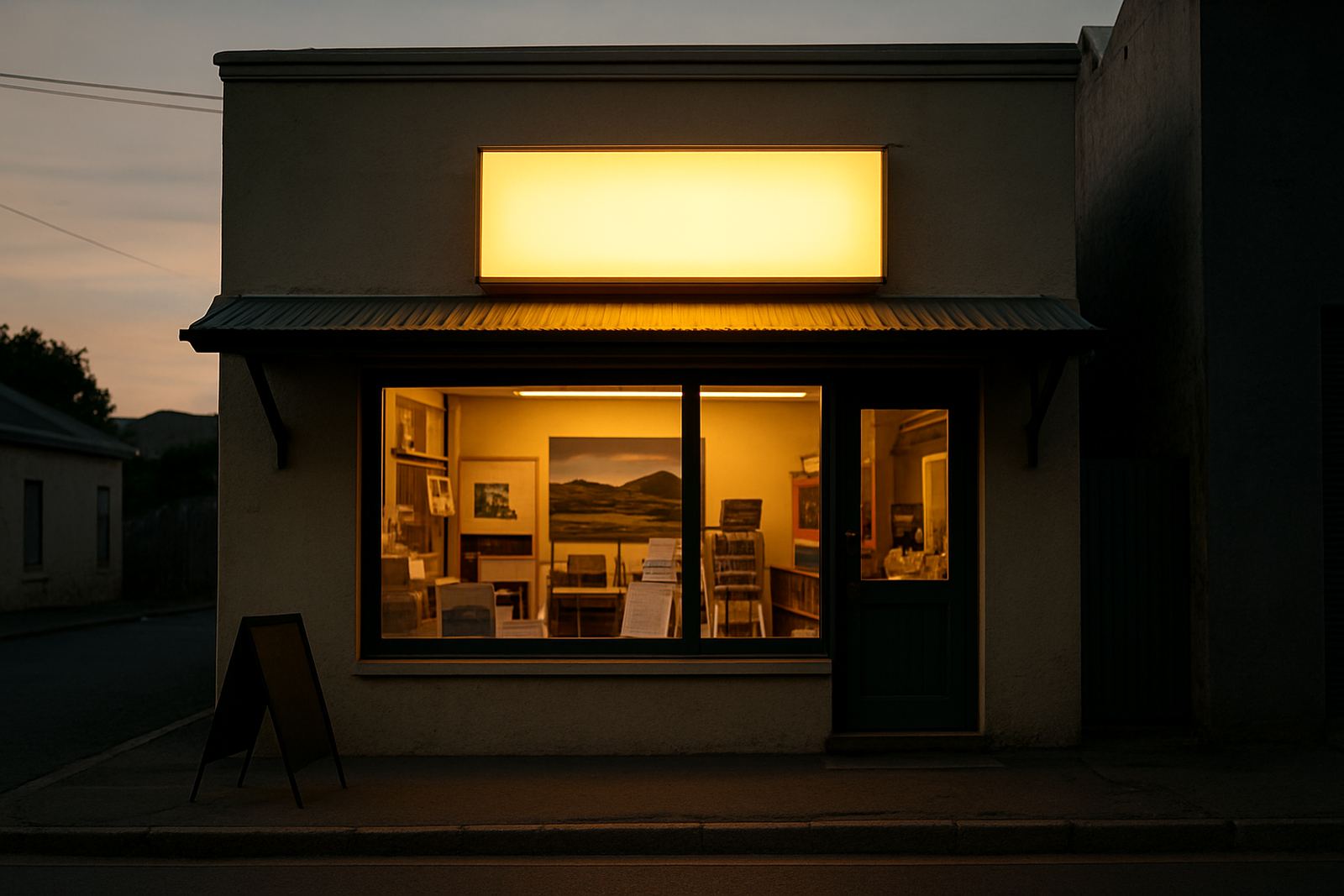
For example, a board outside a Paarl industrial yard might say: Receiving this way, or Visitors use left gate. A property board near a farm road outside Franschhoek might simply say: Private property, access by appointment. Simple wording helps in low light too, because load-shedding means some sites depend on vehicle headlights, not bright building lights, in the early morning and after dark.
When we prepare directional artwork, we usually check that the message can still be read from a moving vehicle. If there are too many lines, the important instruction gets lost and the board becomes decoration rather than guidance.
Plan for wind, sun and coastal moisture
Board placement is not only about visibility. It also has to survive the weather where it stands. In the Boland, sun can fade colours quickly on exposed walls, while wind can loosen fixings and vibrate lightweight panels. If the site is nearer coastal humidity or gets heavy dew, board edges and fittings need proper sealing so moisture does not creep in over time.
A well placed board should face the least damaging conditions where possible. If one side of a building gets less direct sun or is sheltered from the prevailing wind, that can be the better position, even if it is not the most obvious one at first glance. The aim is to keep the board legible for longer, without constant repainting, refitting or replacement.
- Avoid positions where sprinklers spray the board daily.
- Keep boards off surfaces that hold water after rain.
- Use fixing methods suitable for wind exposed sites.
- Choose materials and finishes that suit heat, dust and humidity.
Check access for installation and later maintenance
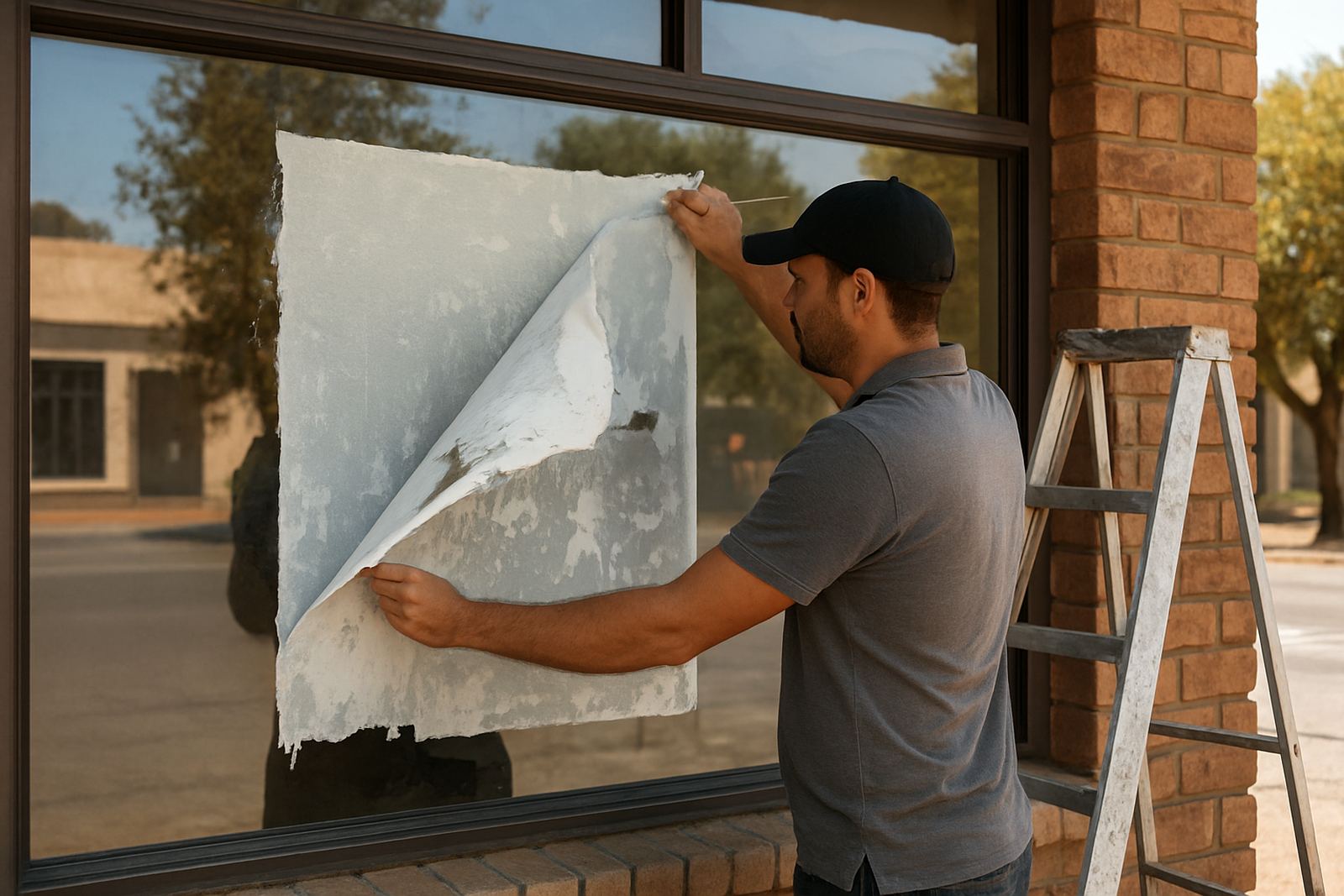
It helps to think beyond the finished look and ask how the board will actually be fitted. If a sign is placed above a busy driveway, there must be enough room for ladders, tools and safe work at height. If it sits behind a fence or security wall, there must be a practical way to reach it later for cleaning, updates or repairs.
This is important for businesses that change trading hours, tenant names or directional wording more often. A board that can be reached without dismantling half the entrance saves time and money. It also reduces the chance of damage during a quick update. A simple placement choice now can prevent a lot of unnecessary callouts later, especially where access is tight and parking is limited.
We often advise clients to think about the next three years, not only the day the board goes up. If the site will have new tenants, a gate relocation or driveway changes, the board should be placed where it still makes sense after those changes.
Use the site itself as part of the message
The best boards work with the property, not against it. A gate, wall, verge, fence line or entrance island can help frame the sign and make it easier to notice. In rural and peri urban areas around Paarl, Simondium and Klapmuts, open space can be an advantage because the board has room to breathe. In tighter streets, a clean wall position may be better than a freestanding panel that gets lost among competing signs.
Local example: a guesthouse outside Wellington had trouble with visitors missing the entrance at dusk. The original board was placed after the turn, partly hidden by a jacaranda and visible only once the car had already passed the gate. By moving the board back before the turn, lifting it higher and simplifying the wording, guests started spotting the property earlier and had less need to stop in the road. The site did not change, but the placement did all the work.
That same thinking applies to shops, farms, workshops and private homes. The board should help people understand where to go before they need to brake hard or reverse into traffic. Practical placement is often the difference between a sign that gets noticed and one that gets ignored.
Before you fix it, do one last roadside check
Walk or drive the approach to the site from the same angle your customer will use. Look for trees, poles, parked cars, sun glare and shadows at different times of day. A board that looks perfect at midday may disappear in late afternoon shade. If the site changes a lot, such as a busy loading area or a farm entrance, test the view from both a vehicle and on foot before drilling the final holes.
- Check the board from 20 to 50 metres away.
- Make sure the sign is not competing with other notices.
- Confirm the placement does not block access for gates or service vehicles.
- Ask whether the wording still works if the site is busy, wet or dusty.
A little checking now saves a lot of rework later. Good placement is not only about being seen, it is about being seen safely and in the right moment.