
Why panel prep matters before graphics go on
A vehicle graphic is only as good as the panel underneath it. Dust, polish, road film, wax and moisture all get in the way of proper bonding, so the film may look fine on day one but start to edge lift once the sun, rain and road grime get hold of it. That is especially true in the Boland, where hot afternoons, coastal humidity drifting in from the west, and regular washing all affect how vinyl settles on a surface.
Clean panels also help the installer work with more control. If there is grit on the paint, it can sit under the film and show through as bumps or marks. If the panel is damp, the adhesive may take longer to grip, and that can affect seams, curves and corners. The goal is not only a good looking result, but one that stays put on the N1, in town traffic and on long farm roads outside Paarl and Wellington.
The right wash is not just a quick rinse
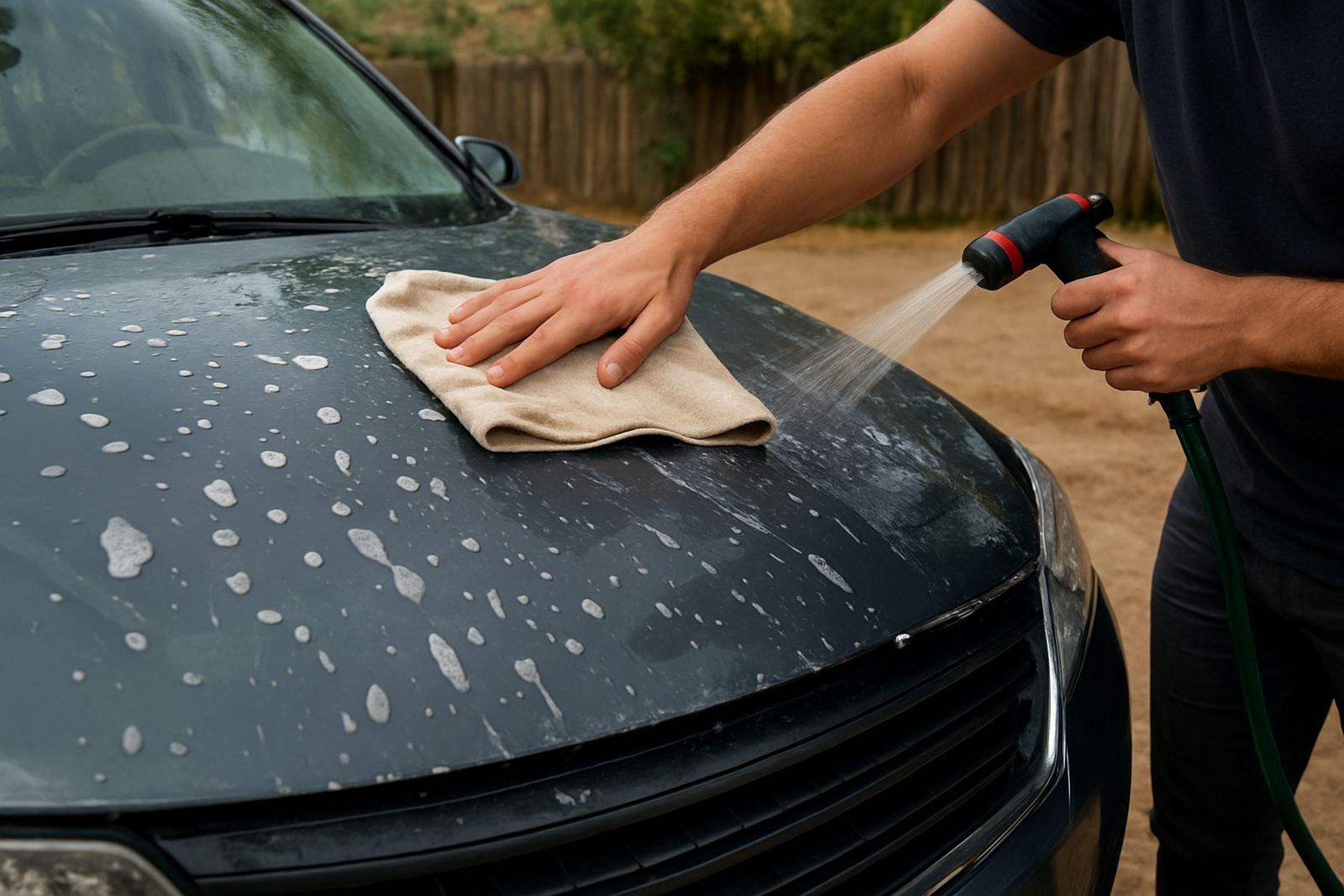
A proper prep wash goes beyond a hose and a cloth. Panels should be cleaned with a mild soap that removes road film and grime, then dried fully before any application starts. Doors, bonnet edges, fuel flap areas and around handles need special attention because dirt gathers there and gets missed easily. If a vehicle has been to the car wash, check for leftover polish or silicone products. Those can leave a slippery film that weakens adhesion.
- Wash off dust, mud and tar spots before the vehicle arrives for fitment.
- Dry the panel fully with a clean microfibre cloth, especially around curves and seams.
- Remove wax, grease and any spray polish from the panel area.
- Inspect for stone chips, scratches and rust so the graphic is applied to sound paint.
On work bakkies and delivery vans, the rear doors and lower side panels usually need the most cleaning because they collect road spray. Motorbike fairings need the same care, and often more because they have tight curves and more exposed edges.
Dry conditions help adhesive settle properly
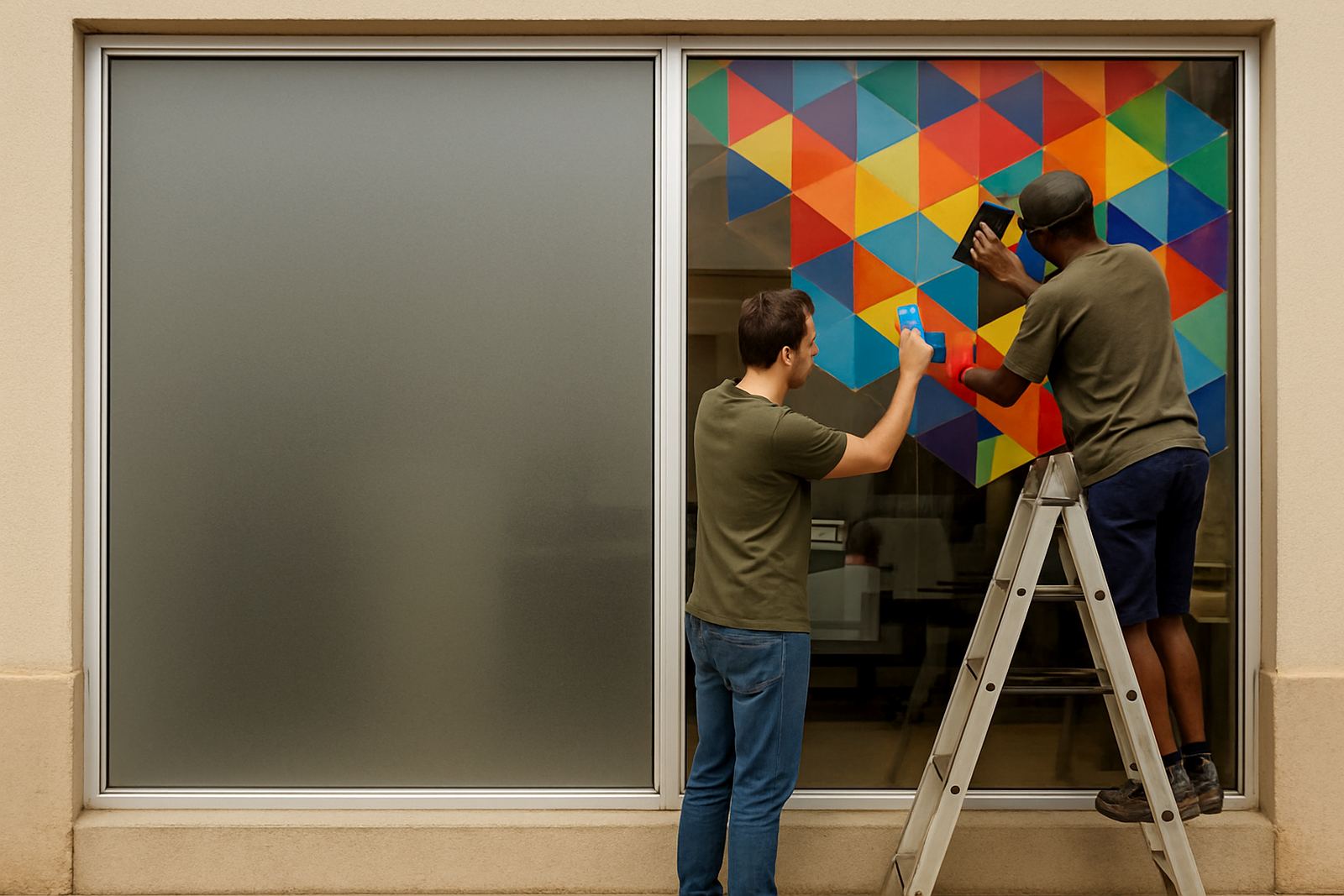
Dry weather matters just as much as clean paint. If a vehicle is wet from rain, morning dew or a fresh wash, the adhesive has to fight against trapped moisture. That can slow the bond and make edge sealing harder. For vehicle wraps, contra-vision and decals on windows, the film needs a dry surface to sit flat and stay consistent across the panel.
In a place like Paarl, a vehicle can look dry from a distance but still have moisture in panel joins and around mirrors. In Wellington, early morning fitments can be tricky if the body still carries dew from the night. A good installer will check these spots before starting. Rushing the job on a damp surface can cause lifting later, especially on edge points and around door handles where movement and rubbing are constant.
- Allow enough drying time after washing, do not rush the vehicle into fitment.
- Park indoors or in shade if possible while the panels settle before installation.
- Check recesses, trims and seams for trapped water before any film is cut.
- Avoid applying graphics during heavy mist or rain when humidity is high.
Local conditions in the Boland change the job
Vehicle graphics in the Boland deal with more than just dust. Summer heat can make film more pliable and harder to position, while winter mornings bring moisture that hangs around on steel panels and window glass. If a vehicle works in Worcester or Malmesbury, it may also face more dust from gravel roads and construction areas, so prep has to be thorough from the start.
For companies with fleet vehicles, the condition of each panel can differ from one bakkie to the next. One vehicle may have been polished last week, another may still carry old sticker residue from a previous sign. That is why every job needs a close check before graphics are cut or fitted. A small patch of dirt can show through on a light coloured wrap, and a damp corner can pull away once the vehicle heats up in the sun.
We often tell drivers to think about the vehicle the same way they would think about tyres or brakes. If the surface is not ready, the result will suffer. Clean, dry panels are part of proper preparation, not a bonus step.
Bikes, bakkies and vans all need different prep care
Not every vehicle is prepared the same way. A small motorbike has curved fairings, narrow channels and exposed edges that trap polish and dust. A bakkie may have larger flat panels but more road grime on the lower half. A panel van often has sliding doors, handles and corner trims that need detailed cleaning before any vinyl is applied.
Here is a simple checklist that helps before a fitment booking:
- Remove roof racks, loose accessories or anything that blocks the panel area.
- Wash and dry the full surface, not only the visible section.
- Clear old stickers, glue marks and tape residue.
- Let us know if the vehicle has been freshly sprayed or recently polished.
- Bring the vehicle in with enough time for inspection before installation starts.
If a driver uses the vehicle for deliveries in Stellenbosch one day and site visits in Franschhoek the next, the finish needs to hold through daily stops, parking pressure and regular washing. Prep is what gives the graphic that staying power.
What a properly prepared vehicle looks like after fitment
When the panel is clean and dry, the graphic sits flatter, edges seal better and the final result looks neater. Corners do not fight the film as much, and the colours stay crisp because the surface underneath is free from haze and dirt. On a van or bakkie, that tidy finish matters because the vehicle is often part of the first impression at a client site or roadside stop.
It also helps future maintenance. A well prepared wrap or decal is easier to wash, and less likely to pick up dirt at the edges. That means fewer call backs for lifting corners or patchy sections. In practical terms, it saves time and keeps the vehicle looking more professional for longer.
For businesses across Paarl, Wellington, Klapmuts and Simondium, the message is simple: good vehicle graphics start before the film is even cut. Clean panels, dry conditions and careful inspection are not extra steps, they are the job.
A local example from the Boland road network
A delivery bakkie from the Paarl side came in after months of hard use on mixed roads between Wellington and Worcester. The lower doors carried a film of dust, old wax and a few sticky marks where previous stickers had been removed. The panels looked fine at a glance, but once they were cleaned properly, the difference was clear. The new graphics settled better and the edges held tight after the first week of summer heat.
That is the practical lesson for any driver or fleet manager. A quick wipe is not enough. If the vehicle is going to carry your name, your contact details and your image across the Boland, then the surface has to be ready for the job. Take the time to clean it properly, keep it dry and let the fitment team work on a sound surface.