Why safety signs matter on real sites
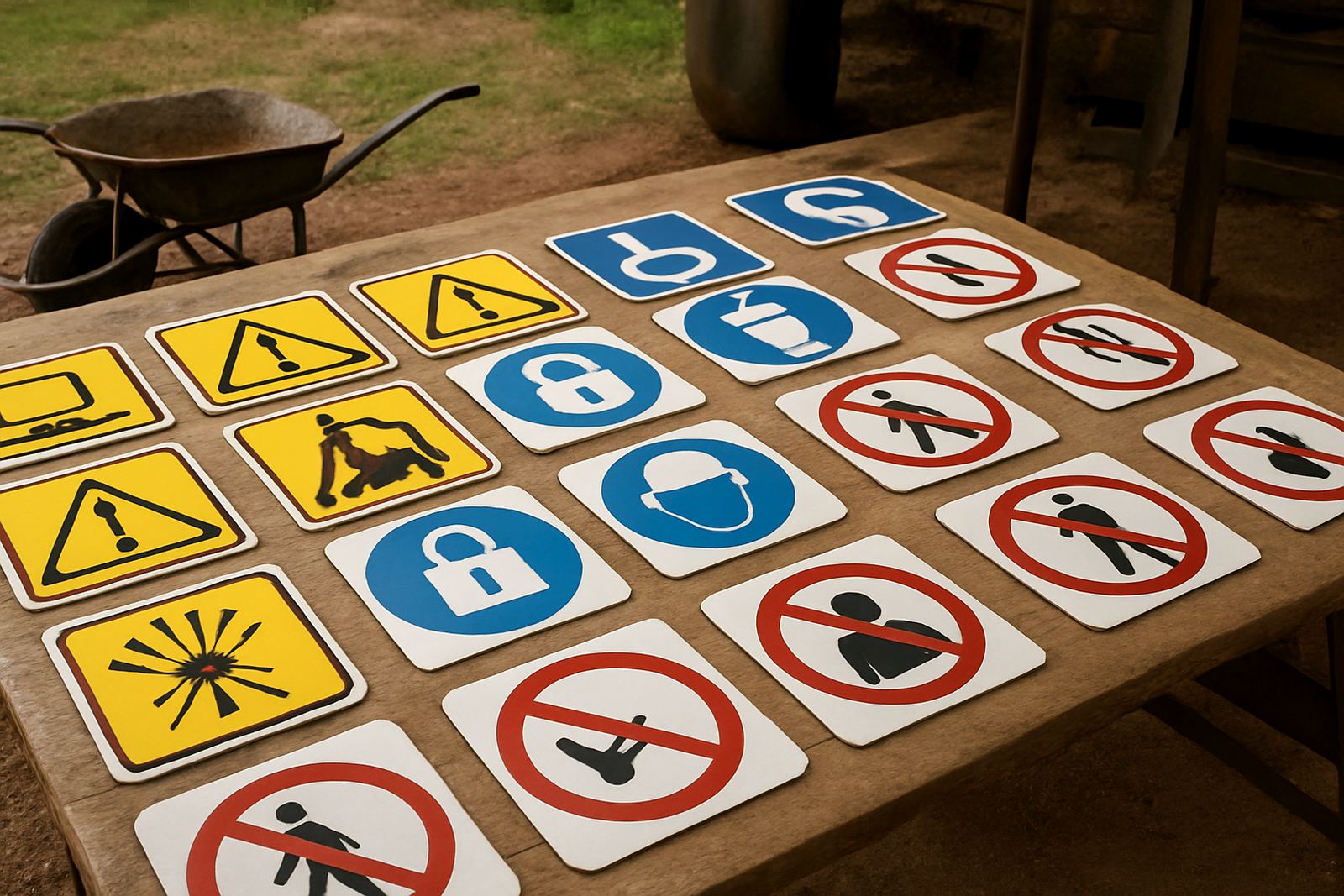
Most safety signs do one of three jobs: warn, instruct, or identify. That sounds simple, but on a busy site in Paarl or Wellington, people move quickly and often split attention between tools, traffic, visitors and weather. Clear signs help everyone know where to walk, what to wear, what to avoid and who may enter a space.
In South African workplaces, signs are not just a nice extra. They help support safe access, better control of risk and clearer communication for staff, contractors and visitors. If you have deliveries at the gate, loading activity in the yard or public foot traffic near a service area, signage is only useful if people can read it quick.
We usually advise starting with the areas where confusion happens most often. That might be a slippery entrance, a live electrical room, a chemical store, a lift gate, or a turning area where pedestrians and vehicles cross paths.
Warning signs for hazards people must notice first
Warning signs alert people to a danger before they get too close. These are common in factories, workshops, fuel areas, construction zones and around machinery. In the Boland, many sites also need warning signs for wet floors during rainy periods, high winds that can lift lightweight items, or hot surfaces in processing areas.
The message should be direct and easy to recognise at a distance. A good warning sign does not need long wording. It needs a clear symbol, strong contrast and placement where the hazard begins, not after it. If a person can only see the sign once they are already in danger, it is too late.
- Dangerous moving parts
- High voltage areas
- Slippery floors or ramps
- Forklift traffic zones
- Overhead load risk
At a busy yard in Worcester, for example, a warning sign at the edge of the loading zone helps separate drivers from pedestrians. That small bit of direction can stop a close call before it starts.
Mandatory signs that tell people what to do
Mandatory signs give instructions that people must follow. These signs are often seen at gates, entrances to work areas and points where protective gear is required. They are common in places where visitors may not know the rules, or where a task can only be done safely in a certain way.
Typical examples include wearing helmets, safety boots, eye protection or hearing protection. You may also need signs that tell people to close a door, use a handrail, keep out, or report to reception before entering. On shared premises in Stellenbosch or Franschhoek, these signs help separate public areas from staff only spaces.
- Wear protective eyewear
- Wear hearing protection
- Use hand sanitiser before entry
- Keep doors closed
- Authorised persons only
For these signs to work, the instruction must match the actual site rule. If a sign says helmets are required but no one enforces it, the message loses value. A sign should support the habit on site, not fight against it.
Prohibition signs that stop risky behaviour
Prohibition signs tell people what they may not do. They are useful anywhere a simple wrong action could create a fire risk, contamination, injury or damage to equipment. These signs are often found at entrances, near machinery, in storage areas and around controlled access points.
Good prohibition signs need to be plain and obvious. The reader should not have to study the wording. In many cases the symbol does the main work, while the text confirms the rule. That matters in places with many visitors, casual labour or short-term contractors.
- No smoking
- No unauthorised entry
- No open flames
- No cell phone use in this area
- No parking in front of access points
On smaller business premises, these signs are often overlooked until there is a problem. A no smoking sign near a paint store or gas area is far cheaper than dealing with a fire incident and the mess after it.
Directional and emergency signs save time in a panic
When people are stressed, they do not read long instructions. They look for the quickest way out, the nearest help point, or the right route to safety. Directional and emergency signs are there to support that split-second decision. They should be visible, consistent and placed where people naturally look.
These signs are especially important in bigger buildings, warehouses, schools, clinics and public-facing premises. If there is a fire, power failure or evacuation, clear route marking reduces confusion. In coastal areas with humidity, and in places that get dusty or sunny, signs need materials and finishes that stay readable over time.
- Emergency exit signs
- Assembly point signs
- First aid point signs
- Fire equipment signs
- Route direction arrows
We often suggest checking these signs after any layout change. If a passage has moved, a door has been locked off, or a new partition has gone in, the old route markings may no longer be accurate. That is a common issue in growing businesses and a simple one to fix.
Site-specific signs for yards, vehicles and customer areas
Not all safety signs are about classic hazard symbols. Many sites need practical signs that manage everyday movement and protect people from avoidable mistakes. These are the signs that tell drivers where to park, which gate to use, where pedestrians must walk, or where visitors should wait.
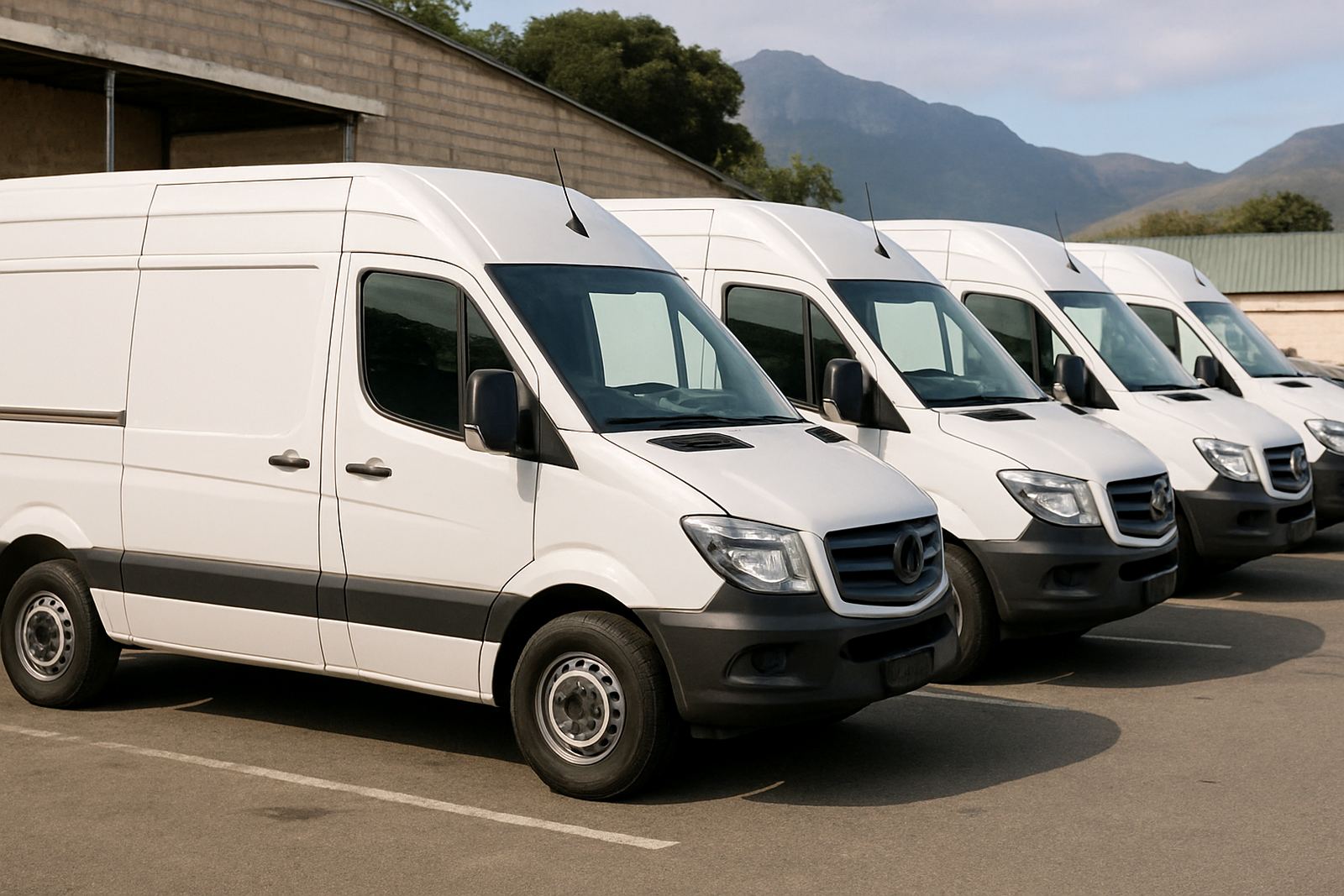
For businesses that deal with vehicles, deliveries or outdoor access, this type of sign is often the most useful. In Paarl, Wellington and the wider Boland, it is common to see mixed-use yards where customers, drivers and workers all use the same entrance. A clear sign system reduces arguments and keeps traffic flowing.
- Visitor parking signs
- Loading zone signs
- Pedestrian route markers
- Speed limit signs
- Gate instruction signs
This is also where reflective finish, size and mounting matter. A small sign on a dark boundary wall may not do enough. If the sign must be read from a moving vehicle, larger lettering and correct height make a real difference.
How to choose the right sign for your site
The best safety sign is the one people notice, understand and follow. Before ordering, think about the hazard, the viewing distance, the light conditions and how long the sign must last. A sign for an indoor workshop will not always suit a hot outdoor yard, and a sign for a vehicle gate may need different size and finish than one inside a store room.
Material choice matters too. Boards, vinyl, laminate and reflective finishes all have their place. If you expect sun, rain or load-shedding related low light, it is worth planning for visibility from the start. If a sign needs to be updated often, such as a notice around access rules or temporary works, choose a format that is easy to replace.
For local businesses in Malmesbury, Simondium and Klapmuts, the practical rule is simple: match the sign to the risk, not just the wall space. A neat sign that is too small or in the wrong spot will not do the job.
If you are unsure where to start, begin with the highest risk points on your site and work outward from there. That gives you a clear sign plan without wasting money on signs that nobody reads.