
Start with the viewing distance and the street
Before you choose colours or materials, stand where your customers will first see the building. A sign that looks large from the pavement can still disappear from a passing car, especially on roads with fast traffic, trees, poles or parked bakkies in front. In Paarl, Wellington and the surrounding towns, shopfronts often need to work from both close range and a moving vehicle, so the lettering must be sized for quick reading.
A practical rule is to keep the message short. One business name, one service line and, if needed, a simple directional cue is usually enough. If the front faces a busy street, make sure the main wording can be read in a few seconds. If the frontage is set back from the road, the letters need more height and stronger contrast. Dark text on a light background, or the reverse, usually gives the best results.
- Measure the distance from the kerb to the sign face
- Check whether trees, awnings or poles block the view
- Decide what drivers must read first
- Keep small contact details off the main fascia if space is tight
Choose the right fascia size before you order
The fascia is the face of the shopfront, and its size should be matched to the building rather than forced onto it. A sign that is too narrow can look crowded, while one that is too tall may cover windows, guttering or municipal trim lines. In older shopfronts around Franschhoek or Malmesbury, the usable area is often smaller than expected because of cornices, roller shutters and uneven walls.
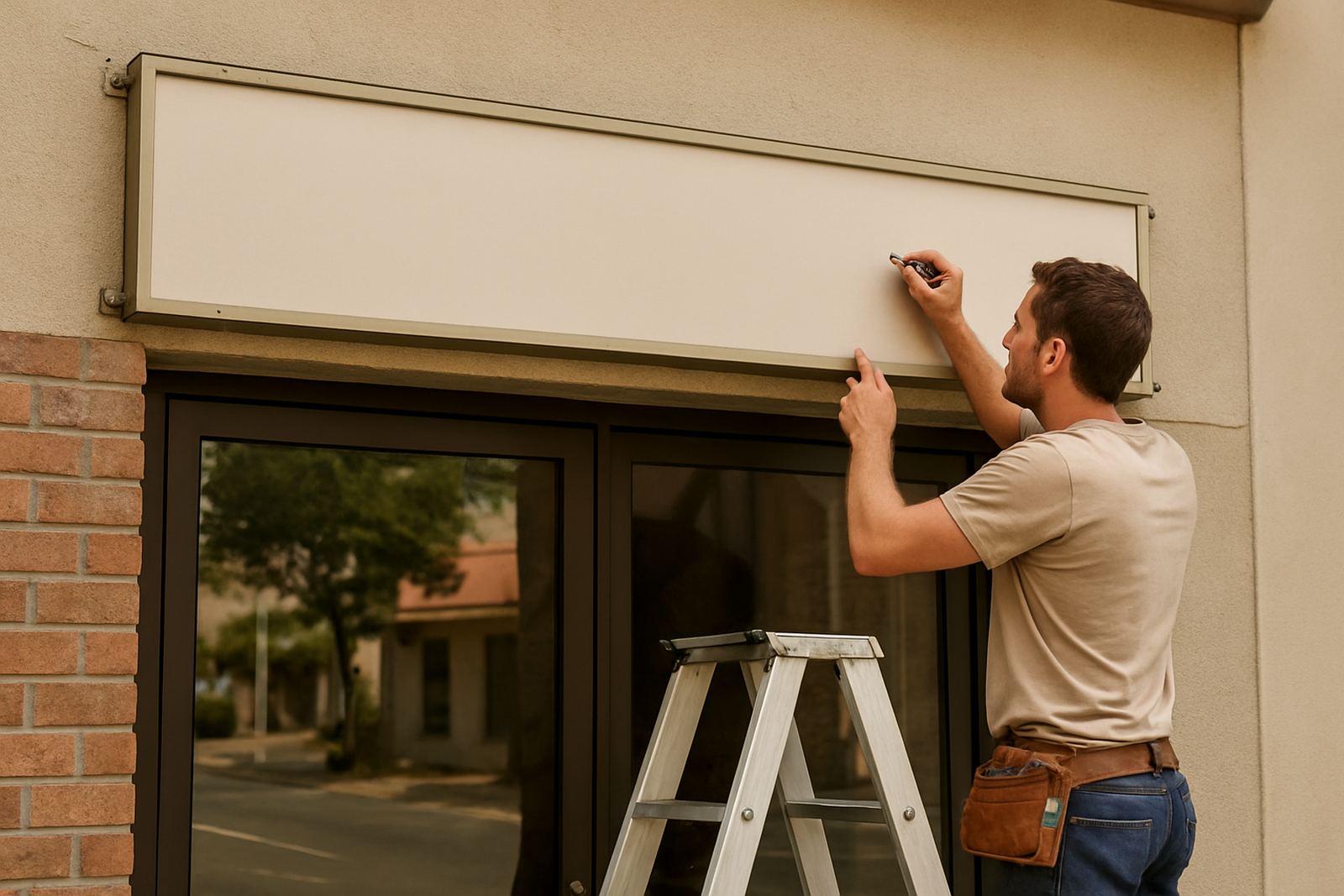
Measure the full width and height of the available area, then leave a little breathing room around the edges. This helps the sign look neat and makes installation easier. If the front has several panes or sections, decide whether the sign should span the whole face or sit only on one bay. For painted brick, cladding, aluminium composite or board, the fixing method may change, so it is best to plan the size together with the substrate.
- Measure the fascia in millimetres, not only by eye
- Allow edge clearance for screws, rails and finishing
- Check for doors, windows, lights and security bars
- Confirm that any future tenant changes wont leave awkward gaps
Material choices that hold up in the Boland
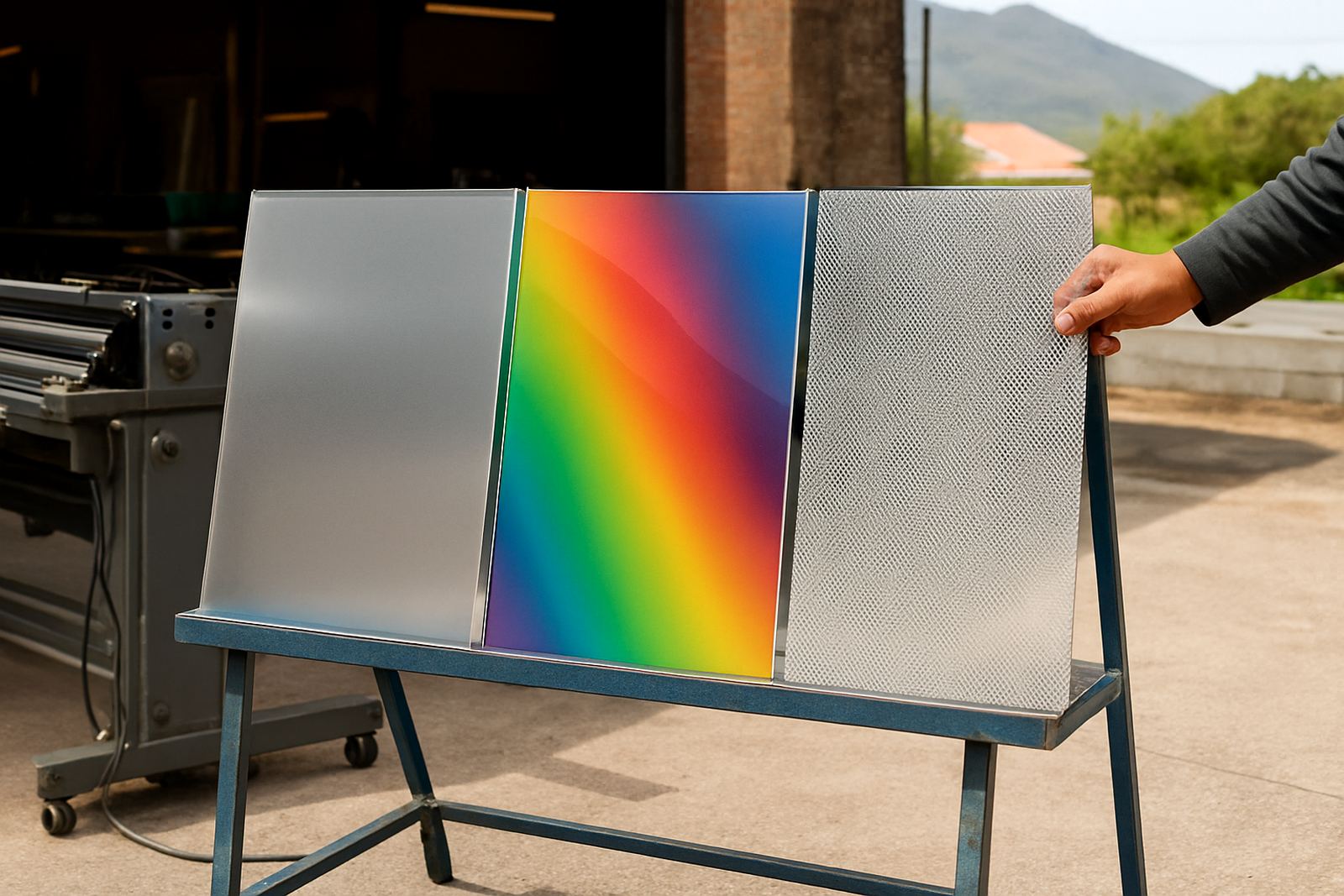
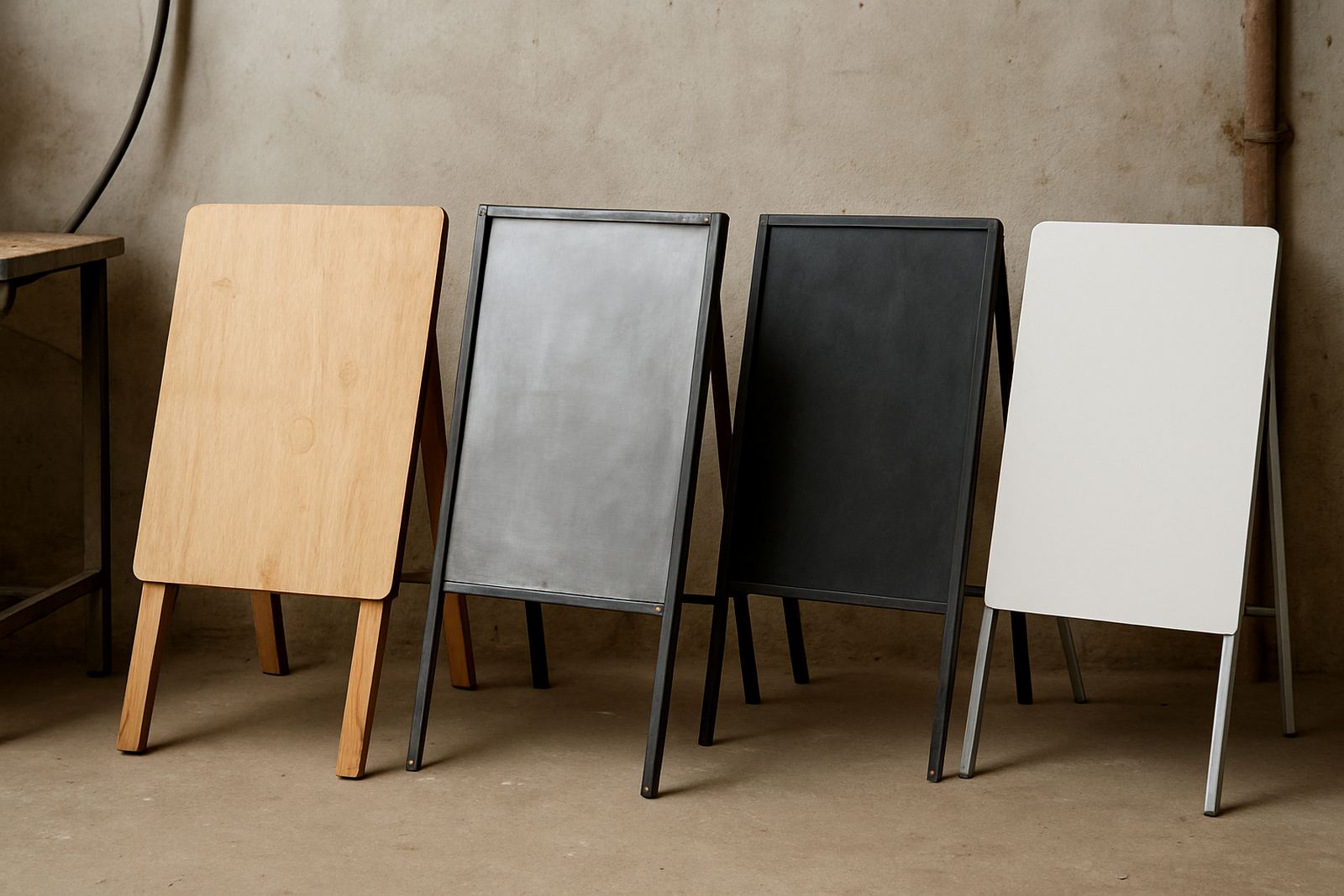
Shopfront signs can be made in several ways, and the right choice depends on exposure, budget and how long the sign must last. For short to medium term use, vinyl graphics on a clean surface can work well. For a more finished look, a mounted board, printed panel or built-up sign face may be better. In coastal or high sun conditions, materials should cope with heat, wind and fading, while inland dust and strong afternoon sun can also shorten the life of cheaper finishes.
If the site is near busy roads or exposed to rain and wind, ask for materials that are suited to outdoor use and easy to clean. Lamination can help protect print from UV and light scratching. For illuminated signs, the face material must still allow even light spread and should be planned with the lighting method in mind. A good sign is not only about appearance, it must also stay straight and readable after months of weather.
- Vinyl graphics for letters, logos and window panels
- Printed and laminated boards for longer outdoor life
- Backlit faces for light box applications
- Frosted or contra-vision film for windows where privacy matters
Keep the message simple and easy to read
A shopfront sign is not a brochure. It has one job, which is to tell people who you are and what you do before they drive past. Too much text makes the sign hard to read from the road and can leave the frontage looking busy. If you need to list services, that is usually better done on a side panel, window graphic or separate notice.
Letter height matters. Thin fonts and low contrast will disappear faster than strong, clear lettering. Avoid cramming too many words into one line and make sure there is enough space between the logo and the wording. If the sign will be seen from a distance in bright sun, test the layout on paper first or mock it up at scale. It is a simple step, but it helps prevent a costly reprint later.
- Use short wording with one main reading path
- Choose fonts that stay legible at speed
- Keep contrast high between background and text
- Check spelling, spacing and alignment before print
Mounting, fixing and site conditions
Even a well printed sign can fail if the fixing is wrong. Wall type, wind exposure and surface condition all matter. A smooth plastered wall is different from corrugated cladding, brick or timber. In some cases, sign rails or stand-off fixings are needed to keep the panel level and secure. On older buildings, uneven surfaces may need extra preparation before installation. That makes a difference to how the sign sits and how long it lasts.
Site conditions also affect the job day to day. Load-shedding can interrupt lighting work, so any illuminated sign should be planned with the electrical side in mind. On windy corners and open sites, lighter panels can flex if they are not supported properly. Around busy commercial strips, installation timing may need to work around trading hours, deliveries or pedestrian movement. A little planning saves time on site and prevents damage to fresh print or painted surfaces.
- Confirm wall material before choosing fixings
- Check for wind exposure, especially on corner sites
- Plan for safe access and work around business hours
- Allow for electrical connections if the sign is lit
Maintenance, updates and replacement planning
Shopfront signs need care if they are going to stay sharp. Dust, rain spots, sun fade and peeling edges can make even a good business look tired. A quick wash with the right cleaning method can help, but harsh chemicals and rough scrubbing can damage print or laminate. If the business name, trading hours or services change often, it is wise to plan the sign in a way that allows updates without replacing everything.
Many businesses in Paarl, Wellington and the wider Boland need refreshes after renovations, a change of tenant or a new service offering. Reprints and updates are easier when the original layout was organised properly. Keep a record of sign sizes, artwork files and mounting points so future changes are quicker. If the face is damaged by wind or fading, replacement may be cheaper than patchwork repair.
- Clean gently and avoid abrasive pads
- Inspect edges, corners and fixings every few months
- Keep artwork and measurements on file for updates
- Replace faded or lifted graphics before they affect the shopfront image
A simple checklist before you approve the job
Before a fascia sign goes into production, run through a final check. This is where many avoidable mistakes get caught, such as the wrong size, a missed unit number or a logo placed too close to the edge. If the frontage has more than one viewing angle, check that the sign works from both sides of the street. A good shopfront sign should feel balanced, readable and suitable for the building it sits on.
For businesses in Stellenbosch, Franschhoek, Worcester, Malmesbury, Klapmuts or Simondium, the same basics apply. Measure carefully, keep the wording clear and choose materials that suit the weather and the site. If the front is too complex, split the message between the fascia, windows and door panels rather than overloading one surface.
- Final size confirmed in millimetres
- Artwork spell-checked and approved
- Material and finish matched to the site
- Fixing method and installation access confirmed
- Message readable from road and pavement
If you need help sizing, printing or fitting a new shopfront sign, use the enquiry form on our contact page and we will talk through the options for your building and your budget.