
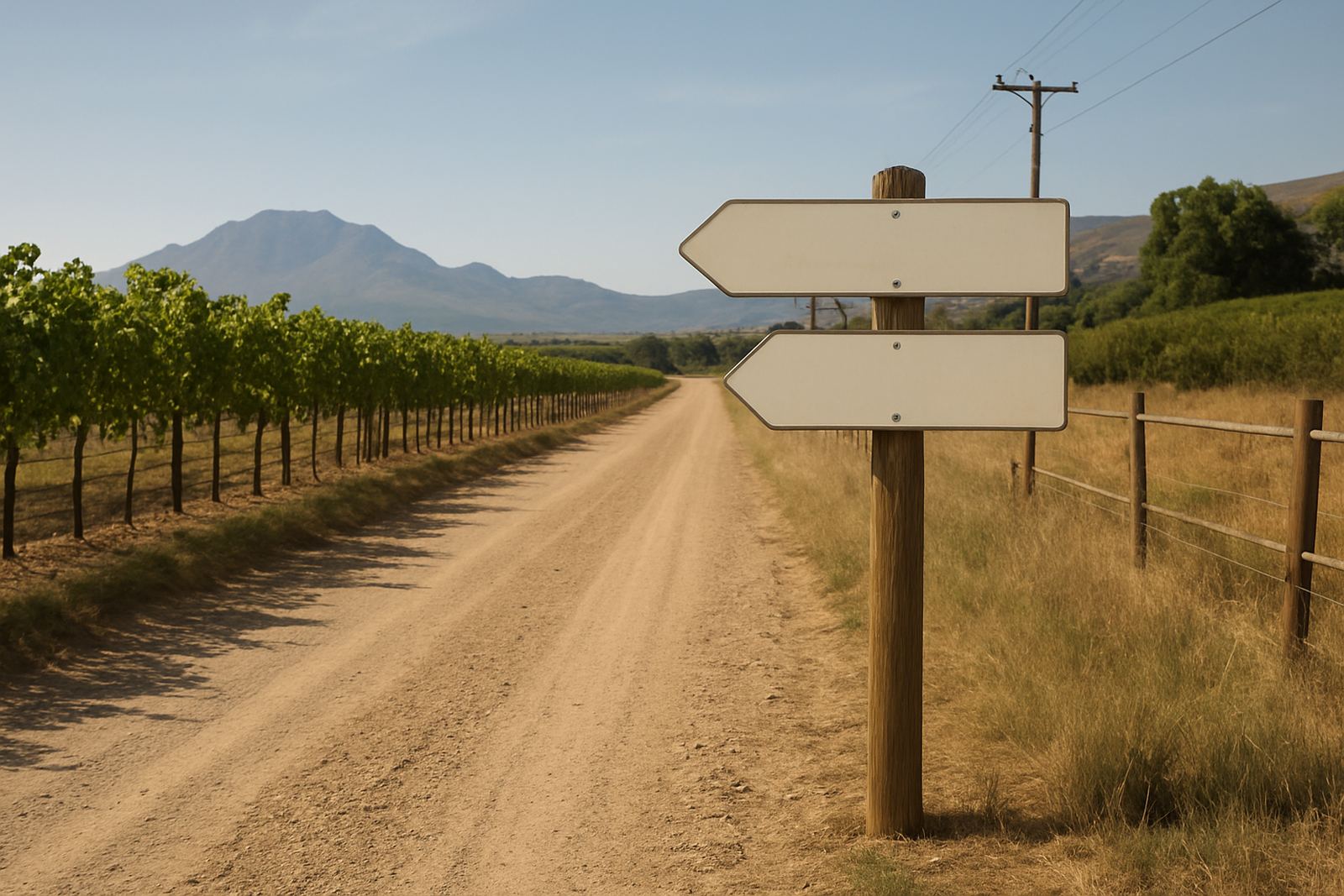
A working farm needs signs people can read fast
The brief came from a working farm in the Stellenbosch area with regular visitor traffic, suppliers, staff and moving farm vehicles. The owner wanted clear directions from the entrance through to reception, parking, packing areas and restricted zones, plus safety signs that would stand up to daily use and strong Western Cape weather.
The main challenge was keeping the message simple. Visitors on a farm do not always stop to read long instructions, and drivers need to make decisions quickly. We planned the signage around short wording, bold arrows and enough contrast for early morning light, dusty conditions and the glare you get on hot afternoons.
This was a practical project rather than a decorative one, so every sign had to earn its place. We also kept the layout clean enough for the farm’s own branding and the natural surroundings to still feel present.
What the farm needed on site
The site had several access points, mixed pedestrian and vehicle movement, and a few areas where visitors could wander into the wrong place by mistake. The farm also wanted signs that looked orderly from the main road and did not need replacing after one season of rain and sun.
- Directional signs for entry, parking, reception and service roads
- Safety signs for restricted areas, no entry points and vehicle movement zones
- Outdoor materials suitable for sun, wind and dust
- Legible text that could be read at driving speed
- Mounting that would suit posts, fences and building walls
Because the property receives visitors and operational traffic, the signs had to work for both people and drivers. We treated it as a wayfinding job first and a safety job second, then made sure both parts matched visually.
Artwork checks, sizes and production choices
We checked the supplied wording and refined the layout for clarity and spacing. Some sign messages were shortened so they could be read at a glance, and arrows were adjusted to keep the direction obvious from a moving vehicle. The final artwork was set up for outdoor durability and consistent colour across every board.
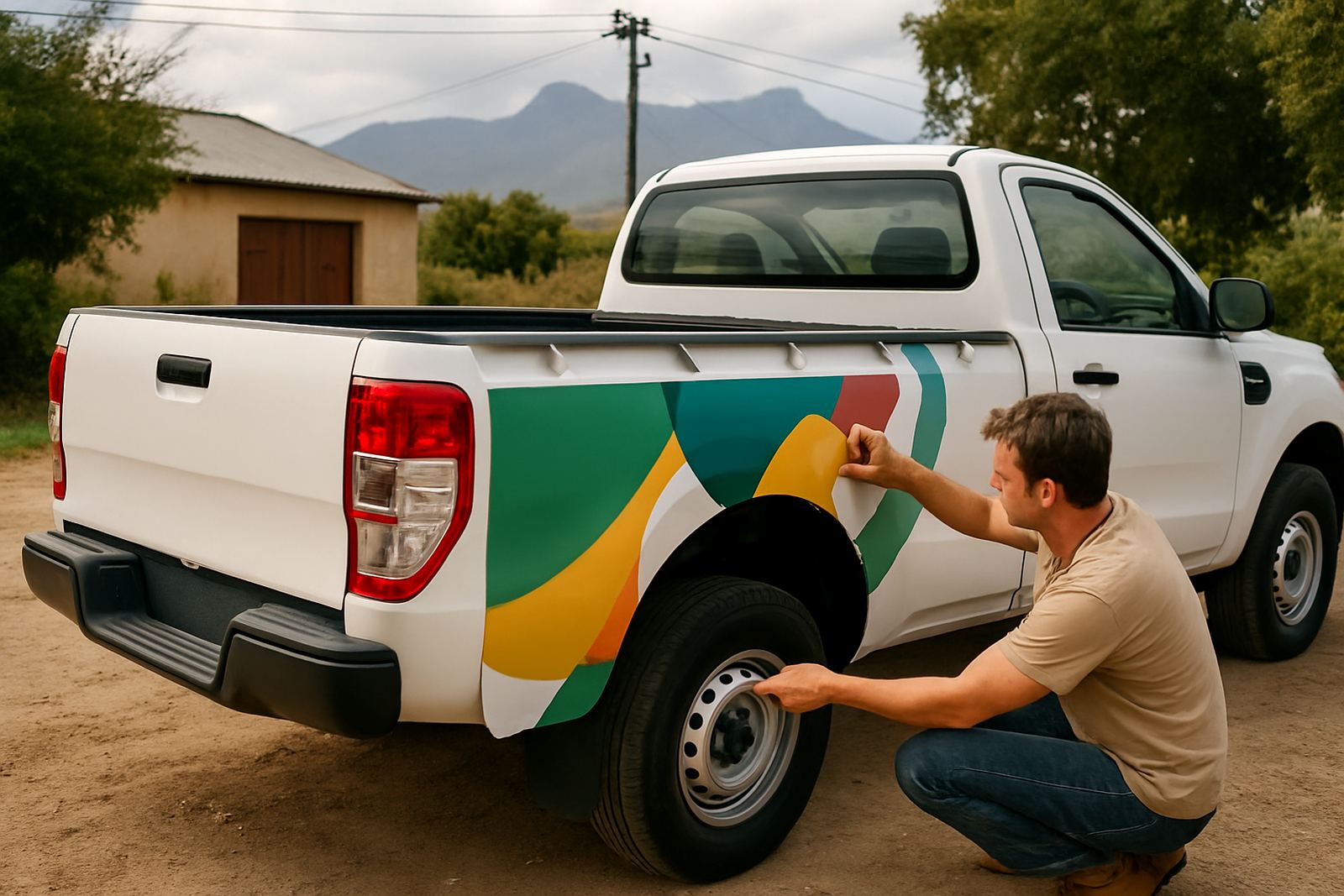
Most of the signs were produced on rigid boards with a weather resistant print layer and a protective finish. Where the farm needed a lighter or more temporary solution, we used printed vinyl on suitable backing and cut the graphics to size. For sun exposure and general wear, a matte finish was selected on several panels so there would be less reflection in bright light.
- Rigid safety and directional boards for fixed positions
- Printed vinyl graphics for smaller and replacement items
- Edge finishing for neat installation and reduced lifting
- Colour checks to keep text and arrows consistent across all signs
We also planned for future updates. If a road changes, a gate gets moved or a new work area opens, the farm can replace only the affected signs instead of redoing the full set.
How the job was installed on a live farm
Installation had to fit around normal operations, so we worked in stages over two weeks. That let the farm keep moving while we handled the sign placement and final adjustments. It also reduced disruption at gates, loading points and the visitor parking area.
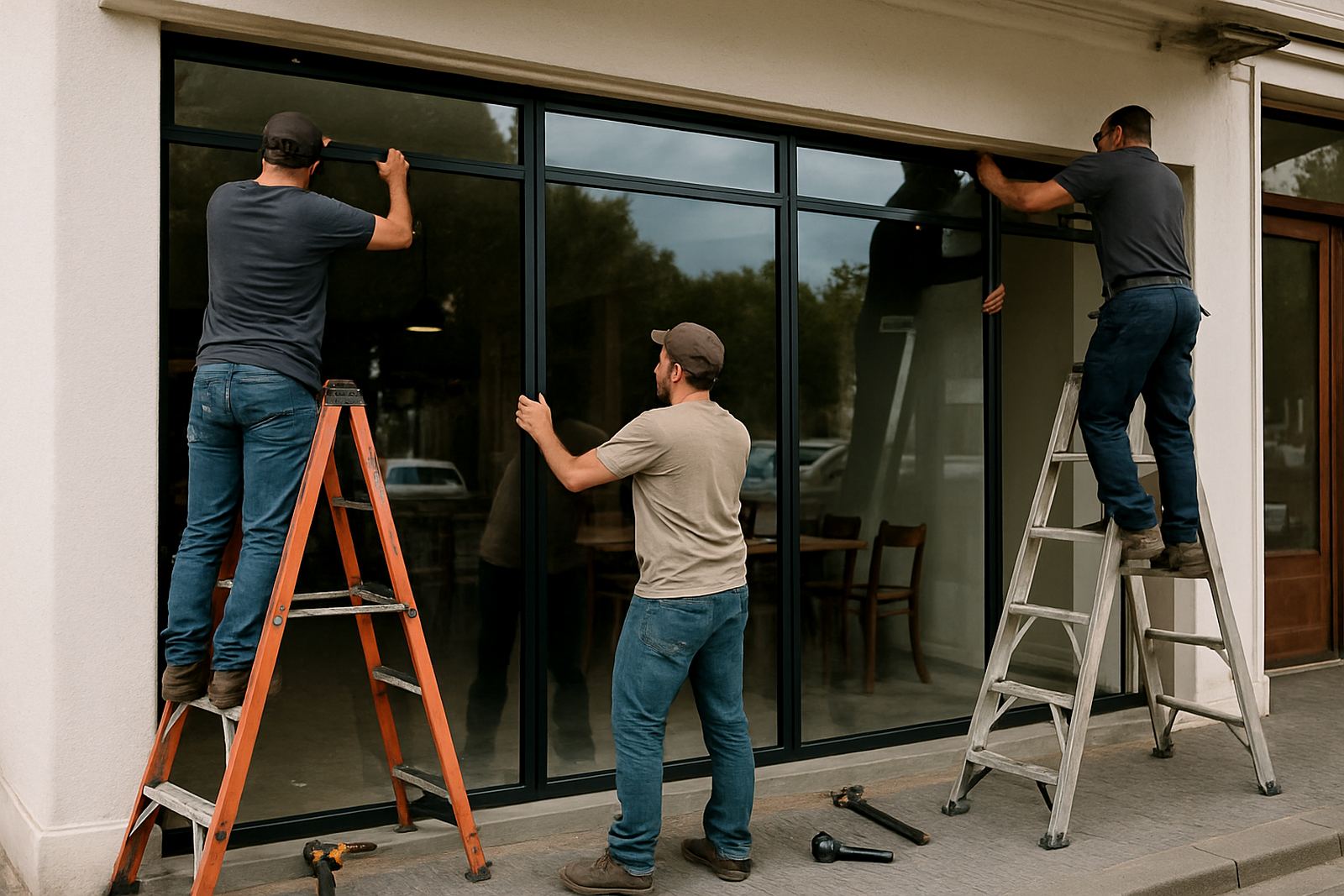
Our installation team fitted the signs where sightlines were best, then checked the angle from both a standing and driving position. A sign that looks fine up close can still fail if it sits too low, too high or at the wrong turn point. We corrected those small details on site, which made a noticeable difference to how quickly visitors could find their way.
On farm properties, mounting matters as much as print quality. We used fixings suited to outdoor exposure and made sure the boards sat securely against wind movement. In Stellenbosch, weather can change fast, so a sign has to stay put when the afternoon breeze picks up and the dust starts moving.
What changed after the signs went up
The result was clearer movement through the property and fewer questions at the entrance. Visitors could find the right route without needing constant verbal directions, and staff had better control over restricted zones and vehicle paths.
The farm also gained a more orderly look at the entrance and around key working points. That matters when you have guests arriving for tastings, deliveries coming in and daily farm work happening at the same time. Good signage does not shout, but it does make a property feel better managed.
From a practical point of view, the client wanted signage that would last, and that is where the choices paid off. The boards were made for outdoor use, with finishes chosen to handle UV exposure, moisture and the rougher handling that comes with a busy working site.
What we would do again for a similar farm
If we were starting another farm signage project in Stellenbosch or the wider Boland, we would follow the same approach: simple wording, strong contrast, and installation planned around the farm’s daily schedule. That formula works because it respects how people actually move through a working property.
We would also recommend a signage audit after the first season. Farms change, routes shift and new safety points appear. A quick review once a year keeps the signs current and avoids confusion. It also helps to replace small worn items before they become unreadable.
- Keep message text short and direct
- Use one visual style across all directional and safety signs
- Check sightlines from vehicles, not only from foot level
- Plan for updates when roads, gates or work areas change
For this Stellenbosch farm, the mix of directional signs and safety signs did exactly what it needed to do. The property stayed easy to navigate, the working areas stayed clearer, and the site now presents itself with more control and less guesswork.
Key facts
| Project type | Directional and safety farm signage |
|---|---|
| Area | Stellenbosch, Western Cape |
| Timeline | 2 weeks from production to installation |
| Materials | Outdoor rigid boards and printed vinyl |
| Finish | Matte protective finish on selected signs |
| Use case | Visitor wayfinding, restricted areas and vehicle control |