
The Brief from a Malmesbury Shopfront
The client was a retail business in Malmesbury that needed a sign people could read after dark from the street and from passing traffic. Their old front signage was fine in daylight, but once the sun dropped the shop became harder to spot, especially on busy afternoons when cars were parked along the road and the frontage was partly shaded.
The brief was simple in words and more exact in practice. The light box had to sit neatly above the entrance, match the shopfront width, show the business name clearly, and stay bright enough for evening trading without flooding the whole façade with glare. The owner also wanted something that would look tidy in the day, not just when switched on. That meant clean edges, even illumination and no visible patchiness across the face.
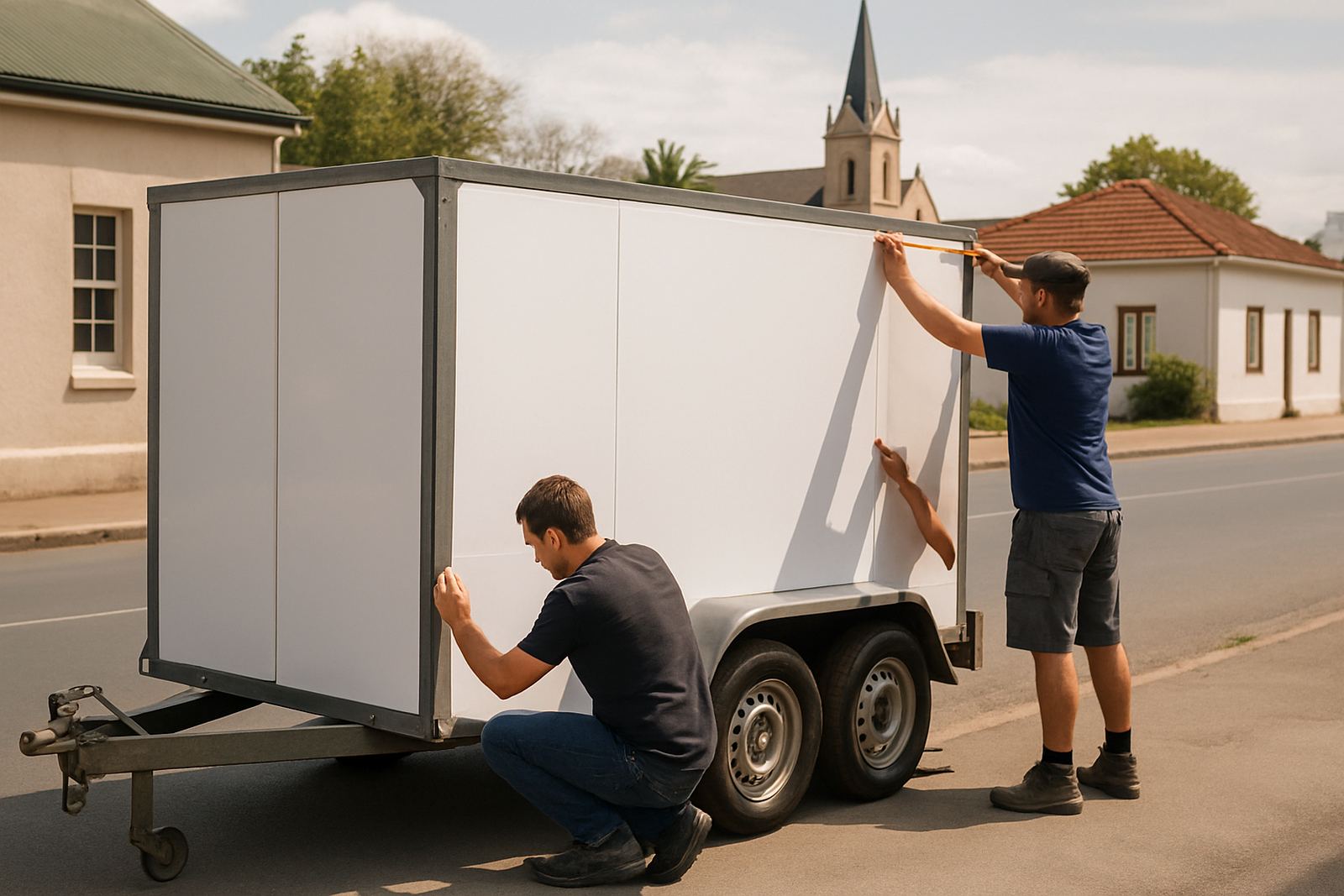
There was one more practical point. The building sits in an area that gets dust, wind and seasonal damp, so the sign had to be easy to clean and tough enough for regular use. We measured the frontage on site, checked the fixing points and planned the unit around what the wall could carry. That saved time later and meant there was no guessing when it came to fitment.
What We Supplied and Why It Worked
We supplied a custom fabricated light box with an opaque frame, a translucent face panel and internal LED illumination set for even output across the full sign face. The size was set to suit the shopfront opening, with enough depth for proper light spread but not so deep that it would sit heavy on the façade. The finished unit was made for front-facing visibility and regular business hours use.
Key facts on the job:
- Shopfront light box for after-hours visibility
- Custom size to fit the available frontage
- Internal LED lighting for lower power use and better brightness control
- Weather-ready construction for local wind and moisture
- Clean daytime appearance with strong night-time legibility
- Mounted for easy access during future servicing if needed
The face was printed and finished for clear letter contrast, then sealed to help it stay presentable through everyday exposure. We also checked the colour balance under illumination because a sign can look fine in the studio and still disappoint once the lights are on. That part matters more than most people think, and it often makes the difference between a sign that merely glows and one that actually sells the shop at street level.
Artwork Checks and Signoff Before Production
Before anything was cut or assembled, Leandri checked the artwork and layout against the actual sign size, letter height and viewing distance. This is where many jobs go off track, because a design that looks balanced on a screen can become cramped or too thin once it is scaled to a real shopfront. We adjusted spacing, confirmed the margins and made sure the wording would hold its shape when lit.
The client wanted a plain, practical result, not extra decoration. We kept the composition direct and readable from across the road, with enough contrast for low-light conditions. The approval process moved quickly because the brief was clear and the site measurements were accurate. That let us keep the whole job on a tight programme and avoid rework later on.
For a business in a town like Malmesbury, where some evenings are busy and others are quiet, clarity matters more than flash. A light box has to work on both kinds of nights. It should catch the eye when people are driving by, but still feel like part of the building during the day. That balance guided the whole artwork check stage.
Fabrication in the Workshop
Ruan supervised the sign fabrication, with Mihlali handling the wide format print side and the finish checks before assembly. The frame was cut, prepared and assembled to keep the box square and stable. Internal components were mounted so the light spread would stay consistent, and the face was sealed to help keep dust out. We also made sure the cable entry and service access were arranged neatly, so the sign would not be a nuisance later on.
The workshop stage also included the practical details that do not always get noticed once a sign is up. Corners were checked for alignment, the printed face was inspected under light, and the final assembly was handled with care so there would be no warping or visible ripple. In summer heat and winter damp, those small things matter. A light box that is built well stays looking straight and proper for longer.
- Frame fabrication to match the measured opening
- Internal lighting layout set for even brightness
- Printed and finished face checked under illumination
- Clean wiring and serviceable access points
- Final quality check before site delivery
Installation Day and Site Constraints
Anele handled the vehicle fitment side of the project plan, and the installation team managed the final mount on site. We worked around normal trading hours so the client could keep operating with minimal interruption. Access was checked first, then the unit was lifted into place, levelled and fixed to the wall using suitable hardware for the frontage. The aim was a neat installation with no rough edges showing and no unnecessary delay for the business.
The main constraint was the existing building line and the need to place the sign high enough for visibility but low enough to stay proportional to the façade. There was also the usual practical issue of working on a live shopfront, with customers, parked vehicles and roadside movement nearby. We planned for that and kept the work orderly. It was a straightforward fit, but not the kind of job you rush.
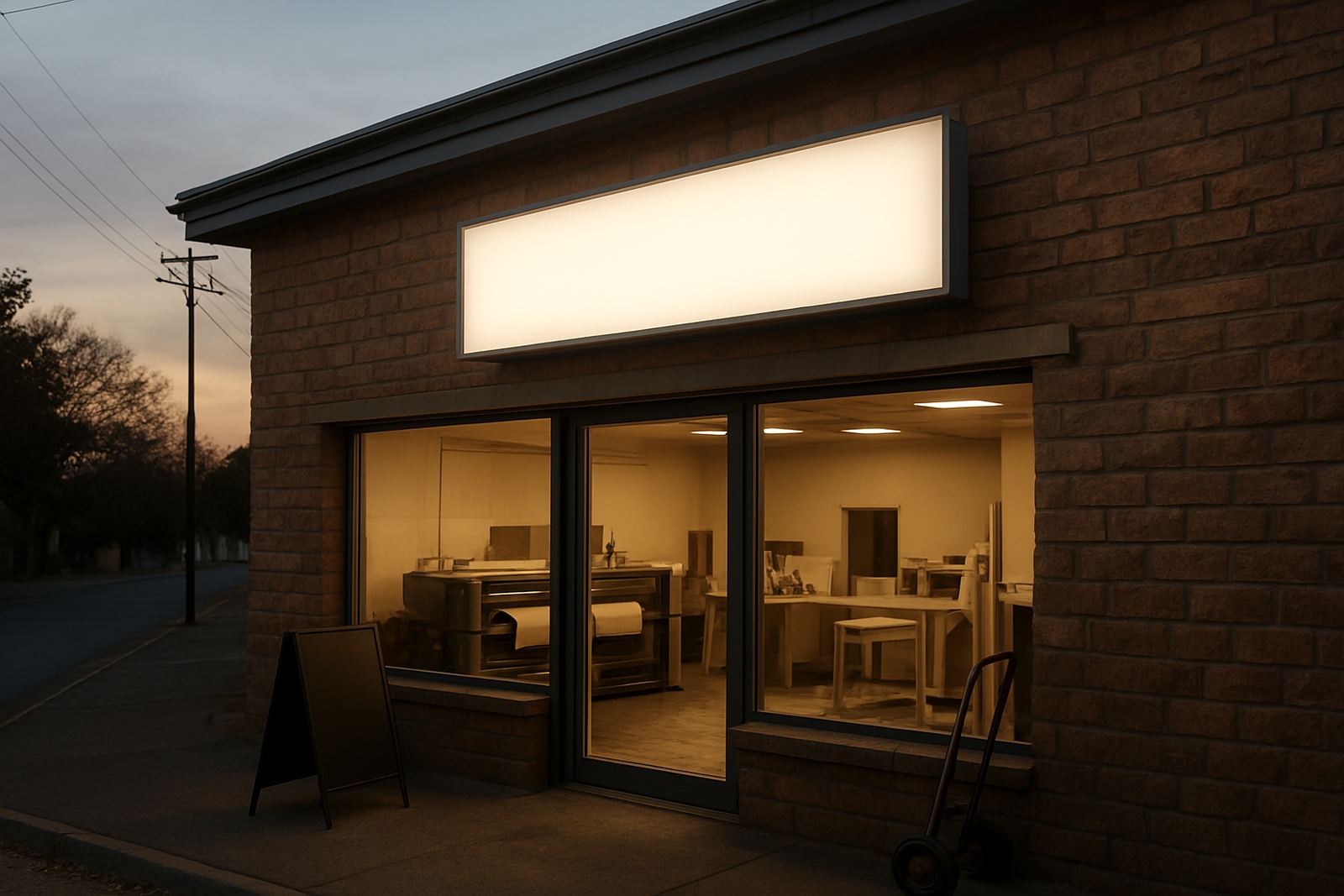
Once the box was mounted, we tested the illumination in the fading light to check the face balance and brightness. The result was even and easy to read from the street. The client could see straight away that the frontage had changed from a daytime-only shop to one that remained visible after hours, which was the whole point of the exercise.
The Result and What We Would Repeat
The finished light box gave the shop a stronger street presence in the evening and improved the way the business was seen after dark. It also made the frontage look more organised in daylight, since the sign now sat as a proper part of the shopfront rather than an afterthought. For a retail site in Malmesbury, that can make a real difference to foot traffic and late-day enquiries.
If we were doing the same kind of project again, we would keep the same process: measure on site first, confirm viewing distance, check the artwork at final size, and build for the actual weather conditions the sign will face. That approach saves time and keeps the result practical. It also means the client gets a sign that does the job without needing constant attention.
Catprints and Signs often works on jobs like this across Paarl, Wellington and the wider Boland, where business owners need signage that is clear, durable and suited to local conditions. For this Malmesbury light box, the combination of accurate measurements, careful fabrication and clean installation gave the client exactly what they asked for, maybe even a little better in the evening than expected.
Key facts
| Project | Shopfront light box |
|---|---|
| Town | Malmesbury |
| Use | After-hours visibility for a retail frontage |
| Construction | Custom fabricated frame with translucent face |
| Lighting | Internal LED illumination |
| Timeline | Completed in 2 weeks |