What a busy construction site needs on day one
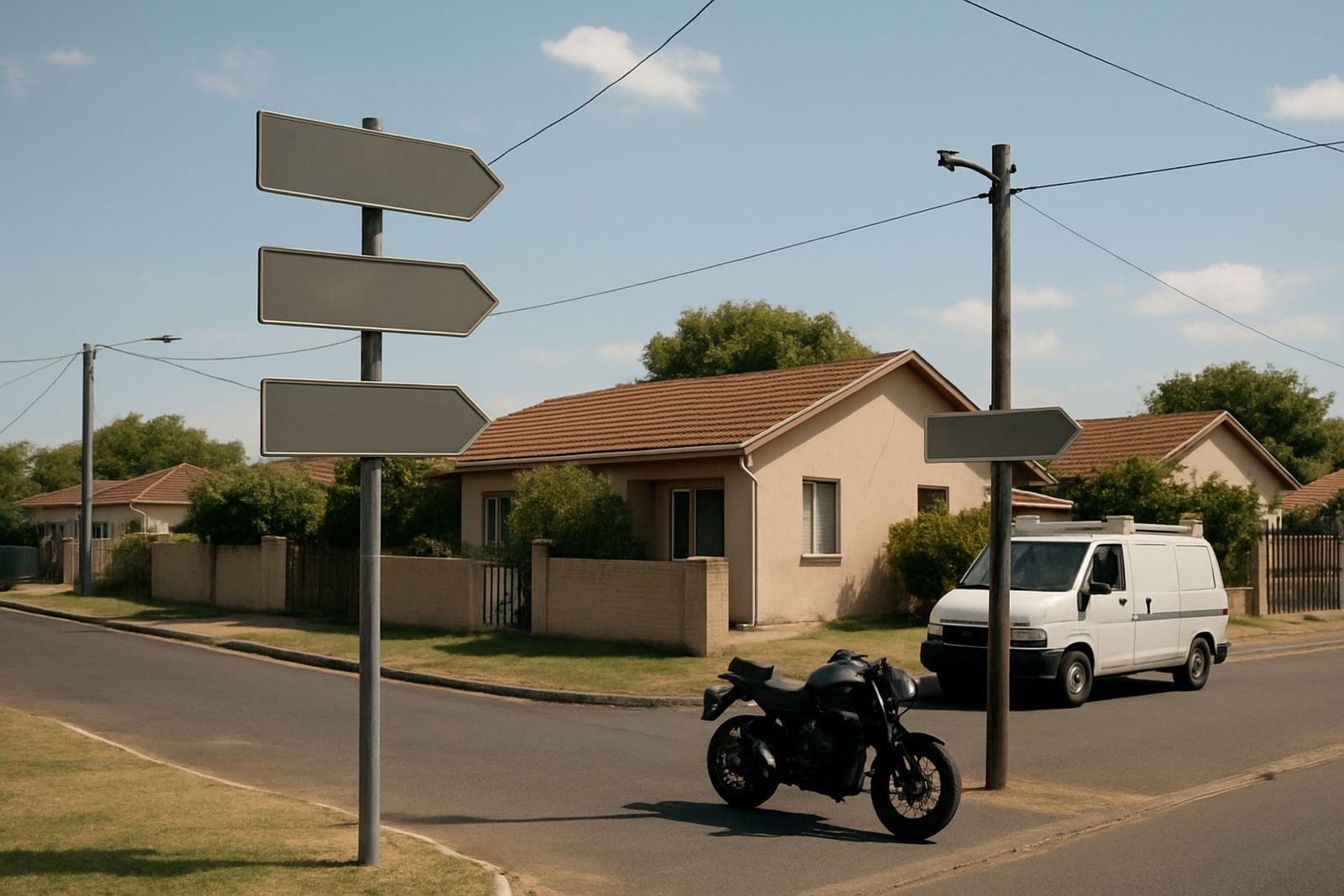
When a site is live, people want the gate, the office, the delivery point and the no entry areas without having to guess. That means your signage needs to do more than carry a logo. It must give directions, warning notices, site rules and contact details in a format that can be read from a bakkie, a truck cab, or on foot at the gate.
For building projects in Paarl, Wellington, Stellenbosch, Franschhoek, Worcester and Malmesbury, we are often asked for a mix of compliance signs and working signs. That includes project boards at the entrance, temporary directional signs, PPE notices, emergency contact boards, speed limit boards, and contractor name boards for the fence line. On wet or dusty sites the finish matters too, because a flimsy print fades fast and an unreadable board causes confusion.
We also see different needs depending on the site. A townhouse development on the edge of town may need neat branded boards for residents and visitors. A commercial site in an industrial area may need larger signs, stronger mounting and clear delivery directions. Rural sites often need extra guidance for access roads, so a driver does not miss the turnoff and end up on the wrong side of the site boundary.
Typical sign sets for active building projects
Most construction jobs work best with a small set of repeatable items rather than one oversized board that tries to do everything. A well planned set keeps the site tidy and lets you update a single panel when the project stage changes. If the architect, main contractor or subcontractors change, we can reprint the parts that need updating instead of remaking everything.
- Project boards for the entrance fence or hoarding
- Temporary directional signs for vehicles and pedestrians
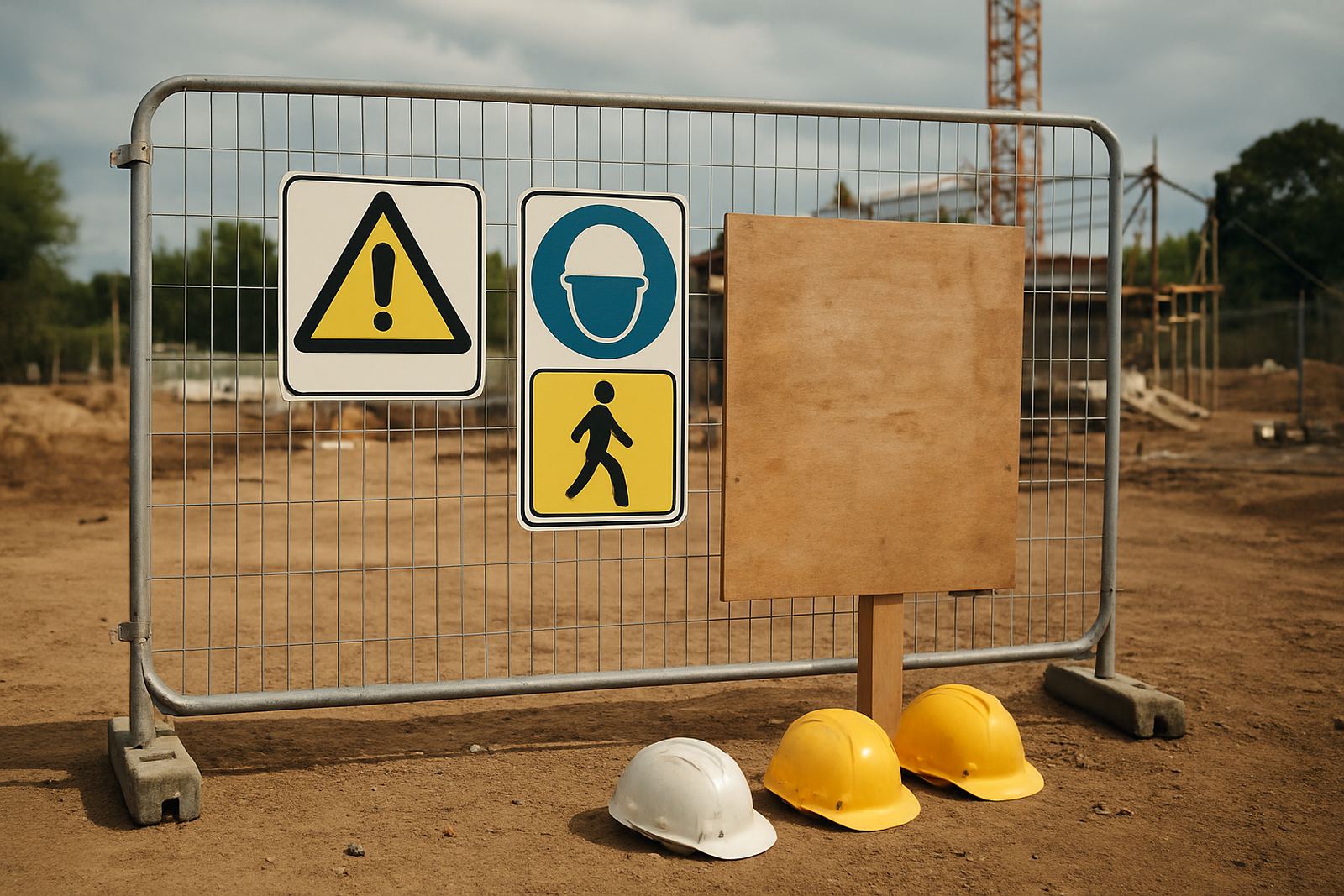
- Health and safety signs for PPE, speed, no smoking and restricted access
- Danger, hazard and emergency exit boards
- Vehicle decals for site vehicles and plant
- Fence banners for branding, screening or public notices
- Magnetic signs for short term use on site support vehicles
For outer walling, mesh fence banners and rigid boards each have their place. Mesh helps where wind is a factor, especially on open sites or coastal jobs where moisture and gusts can test weaker fixings. Rigid boards work well for gate signage, compliance notices and boards that must stay legible for months. We cut vinyl lettering for smaller notices and can laminate it for added protection against UV, dust and cleaning.
Layout and planning that saves time later
Good site signage starts with a simple layout plan. Before printing, we look at where people arrive, where trucks reverse, which gate is for workers and which gate is for deliveries. If the site has two entrances, your signs should make that clear from the road and again at the boundary. The same applies to parking, pedestrian access, site office access and waste removal points.
We normally suggest a clear hierarchy. The biggest board should carry the site name, the main contractor or developer, and the most important contact or rule set. Secondary boards can carry the safety notices, directional arrows and phase updates. On larger developments, it helps to repeat the same style and colour blocks so workers can recognise the sign type at a glance. Keep font sizes generous and avoid crowding the panel with too much text, it just makes the board harder to read.
On sites that run for several months, think about updates from the start. If the site office moves, the entrance changes or a new stage begins, smaller replaceable panels save money. That is where artwork checks matter as well, because one wrong plot mark or one bad phone number can delay a whole batch. We also check whether the final board size suits the fence bays or wall space available, so the sign does not end up chopped or hidden by steel supports.
- Measure the viewing distance before choosing text size
- Allow for wind, sun and dust when selecting material and fixing points
- Plan for revisions if the site will change over 3 to 12 months
- Keep emergency and hazard notices at eye level near entrances and walkways
Common mistakes we see on local building sites
A common mistake is using indoor-style print outdoors. It may look fine for a week, then the corners lift, the board bows or the lettering starts to lose colour. Another issue is placing signs too low behind rubble, mesh or parked vehicles. If a driver cannot see the board from the road, it is not doing its job. We also see sites that rely on too many small notices instead of a few well placed signs with clear wording.
Site managers sometimes forget about weather and timing. In coastal areas the air carries more moisture and that can affect fixings, steel frames and adhesive performance if the wrong material is used. During load-shedding, night work or early morning access can also get messy if reflective information, temporary lighting and emergency notices are not considered together. A sign that works in daylight may be hard to read after sunset unless the layout is planned for low light too.
Another mistake is updating one sign and leaving the rest out of sync. If a contractor changes name, a phase number changes or the access route changes, all related boards should be checked at the same time. That keeps the site looking organised and avoids arguments at the gate.
Materials and fixing methods that suit site conditions
We choose materials based on how long the sign must last and where it will sit. Correx style boards are useful for short term notices and lighter directional signs. Foamex and similar rigid boards work well for cleaner presentation and medium term use. Aluminium composite is better where the sign must stand up to harsher weather or longer exposure. For banners, we finish hems and eyelets to suit the frame or fence layout and can add extra reinforcement at stress points.
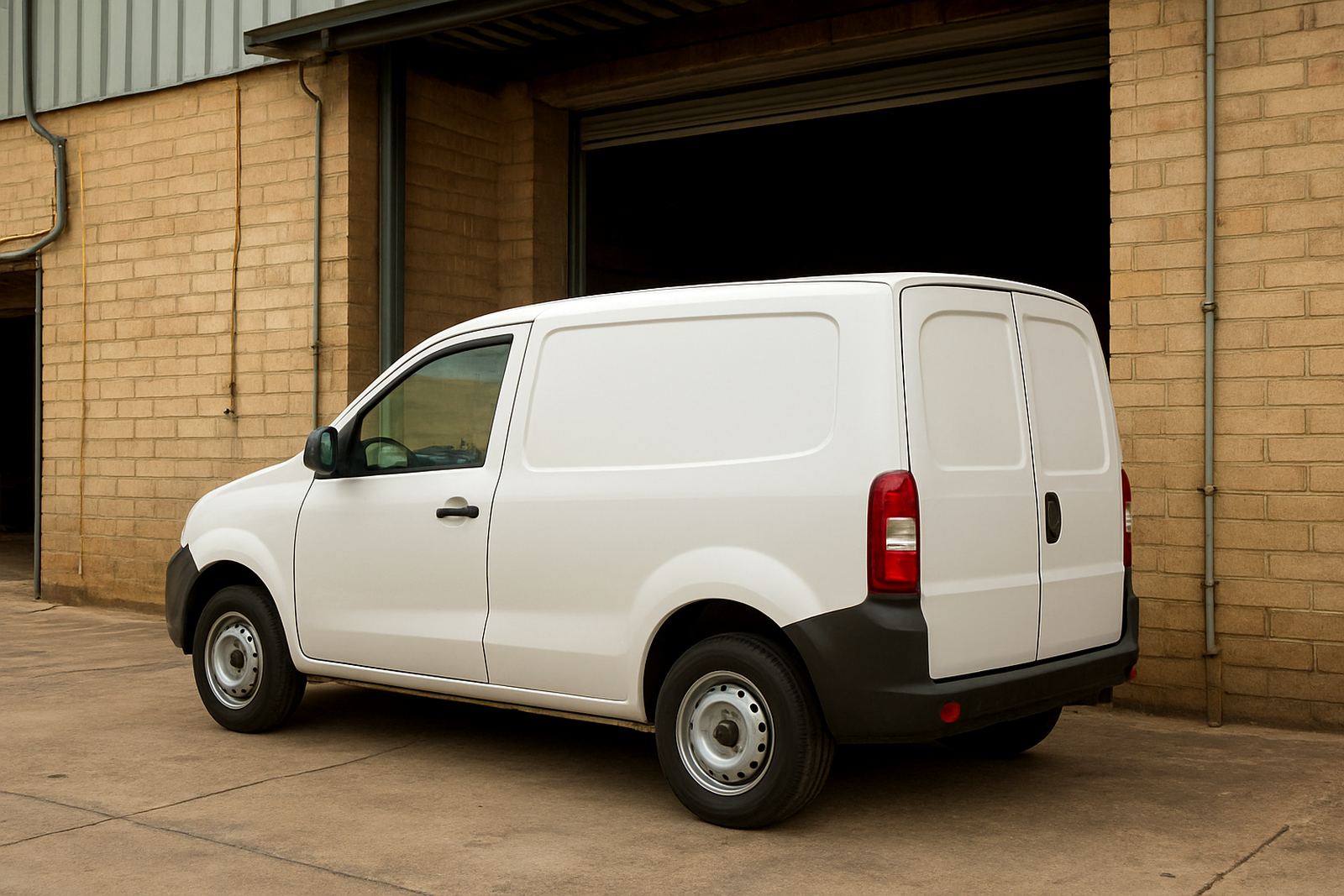
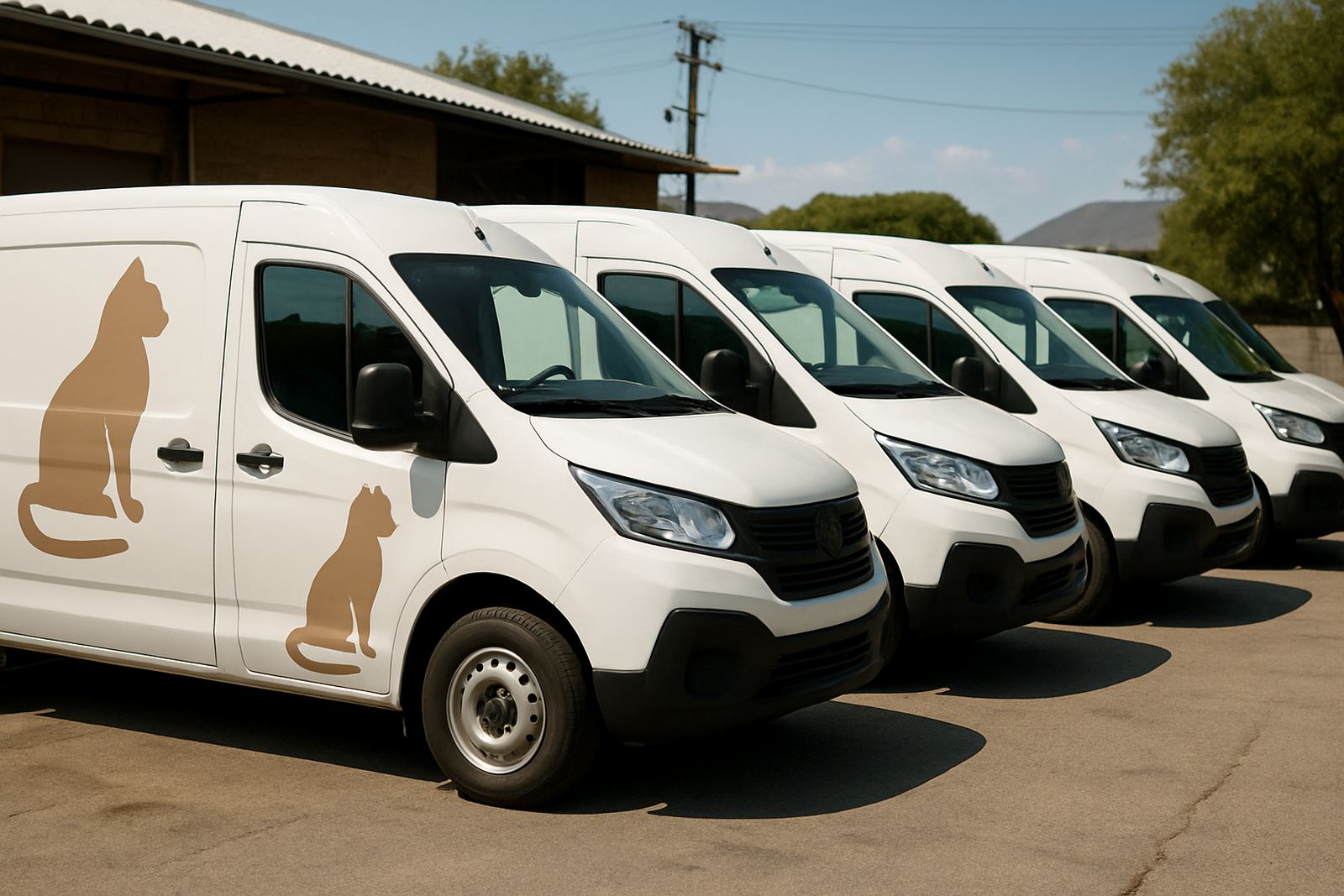
Vehicle and plant markings are often part of the same job. Reflective vinyl, cut lettering and laminated decals help with visibility on tippers, bakkies, trailers and site support vehicles. For windows or hoarding panels, contra-vision can give privacy while still keeping a branded face to the street. If the site is in a busy municipal area, we can also help keep boards neat and readable so they do not clash with local notice rules or site permit conditions.
- Short term: lightweight boards and banner mesh
- Medium term: rigid boards with laminated print
- Long term: stronger composite panels and proper mounting
- Vehicle use: decals, magnetic signs or full wrap sections
Budget ranges for construction signage in Rand
Budgets vary a lot because site size, material choice and quantity all change the price. As a rough guide, small directional or safety boards can start from about R180 to R450 each, depending on size and finish. Larger compliance boards and project boards usually fall between R650 and R2 500, especially if they need stronger board material or a more detailed layout. Fence banners and mesh panels often start around R750 for smaller runs and move up with size and finishing.
Vehicle decals and short term magnetic signs are priced by size and coverage, so a basic pair may be quite affordable while a full wrap or large branded fitment will cost more. If your job needs design work, proofing, multiple versions or installation, those items should be budgeted separately. The good news is that a planned sign set usually costs less than fixing confusion on site later.
For larger developments around Paarl and the wider Boland, many clients prefer to phase their spend. That means entrance boards first, safety and directional signs next, then branding and update panels as the project moves forward. It keeps cash flow manageable and gives the site a proper look from the start.
Working with our Paarl team on site signage
Catprints and Signs is based in Paarl and serves Wellington, Stellenbosch, Franschhoek, Worcester and Malmesbury, with practical sign work for construction teams across the Boland. Our team handles artwork checks, wide format printing, vinyl cutting, lamination, board mounting, banner finishing, sign installation, vehicle fitment and updates when the site changes. Pieter Johannes van der Merwe manages the business, with Leandri Botha in studio and prepress, Mihlali Ndlovu on wide format print, Ruan Smit on fabrication, Anele Jacobs on vehicle fitment and Zelda October on sales and client care.
If you already have a site plan or a list of required notices, send it through the enquiry form on our contact page and we can help shape it into a workable sign set. If you do not have final artwork yet, we can still help with sizing, layout and the wording that best fits your fence, gate or hoarding. The goal is simple: signs that make the site easier to run and easier to find.