What vinyl cutting covers for signs and vehicles
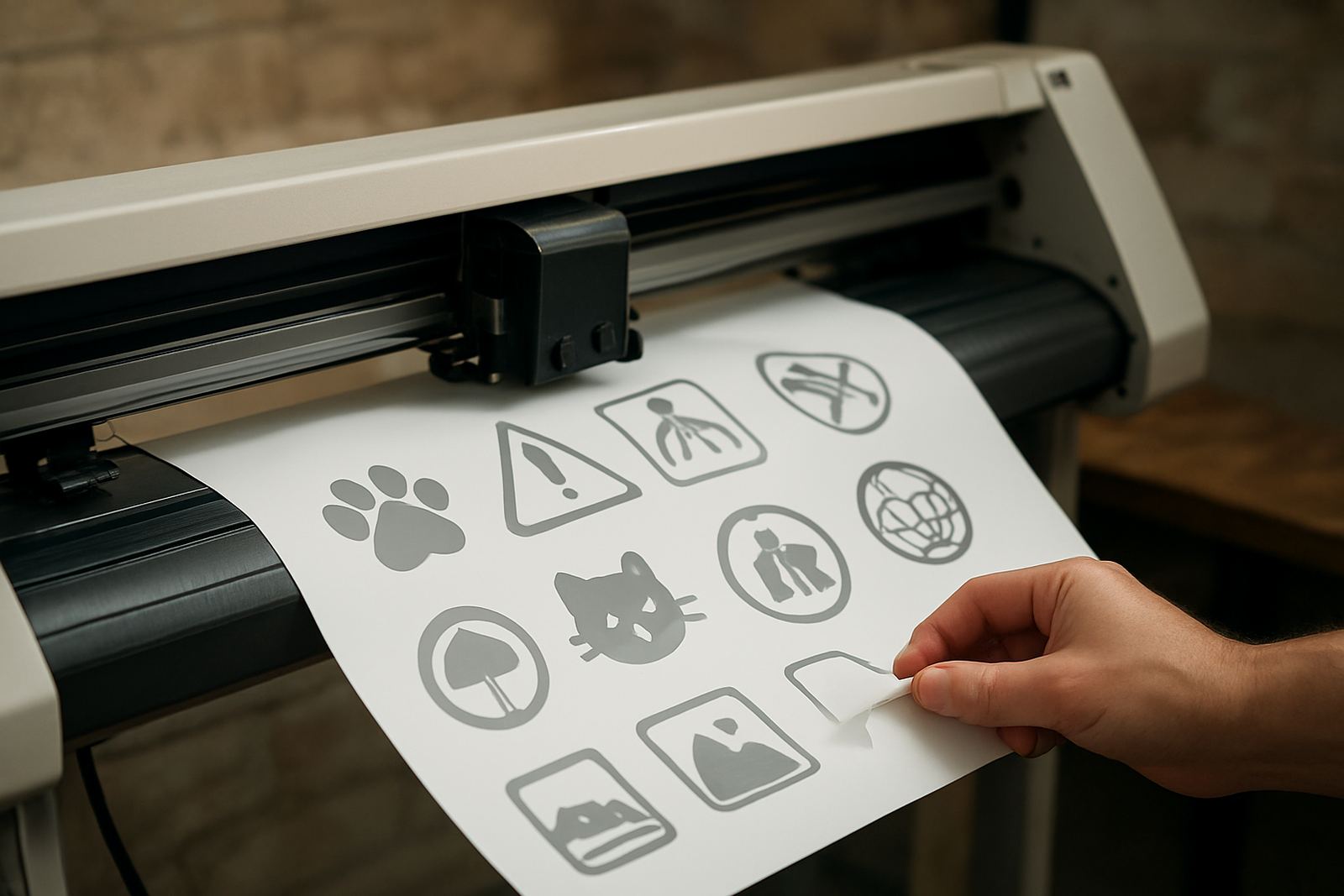
Vinyl cutting is the process of cutting solid colour adhesive vinyl into exact letters, numbers, symbols and logo shapes. It is used for shop signs, safety notices, motorbike graphics, vehicle names, fleet numbers, window lettering and wall markings. For many jobs it is the cleanest option because there is no print background, only the shape you need.
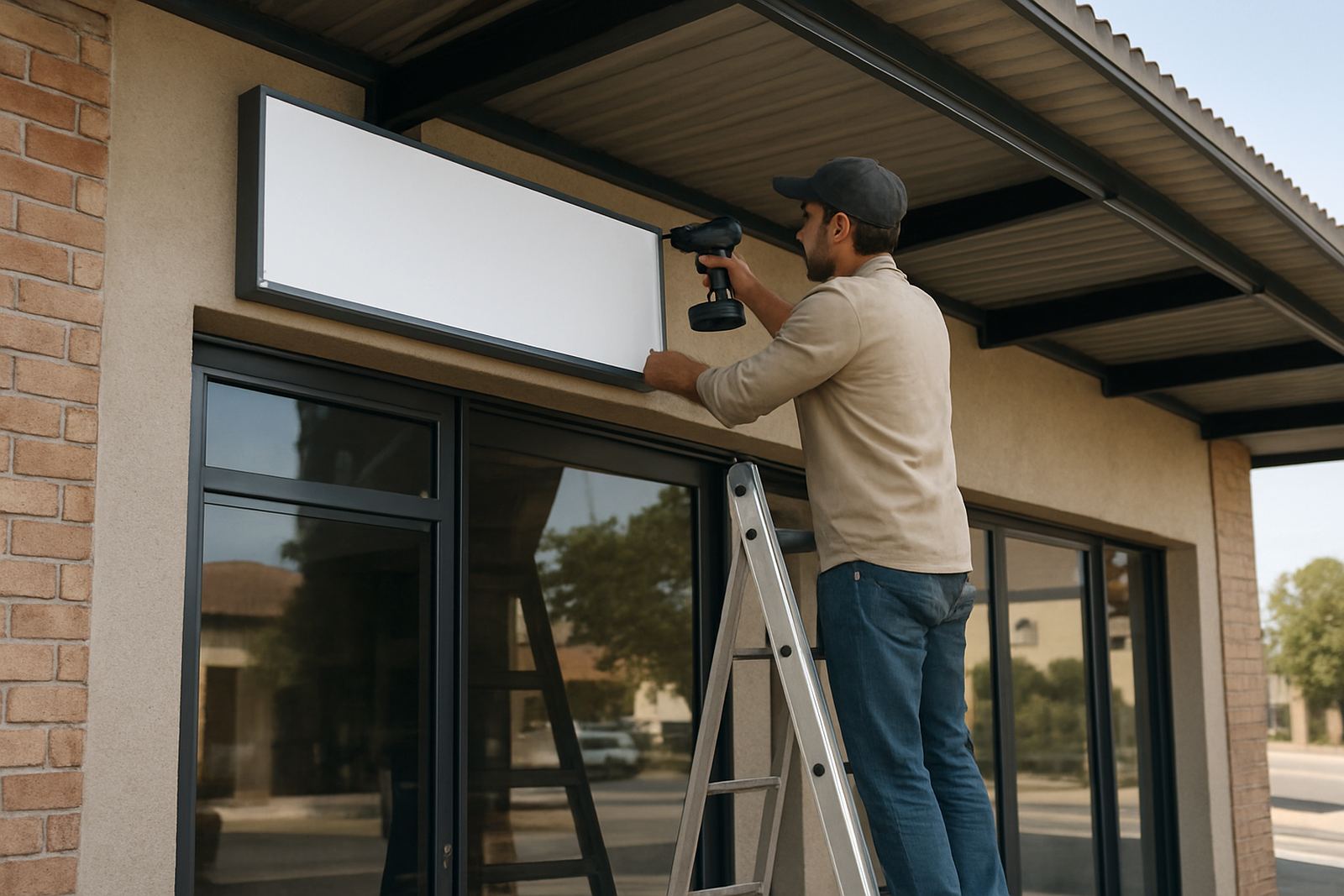
We work with cut vinyl for flat surfaces and slightly curved panels, with options for indoor or outdoor use. For vehicles we prepare the artwork so text reads clearly from a distance and stays legible in traffic, parking areas and loading bays. For signs, we match the finish to the board, light box or window area so the final piece looks neat and easy to read. In coastal areas like Paarl and Wellington where sun and dust can be hard on signage, the right material selection matters.
- Single colour lettering and numbering
- Logos, icons and simple shape decals
- Safety signs, shop fronts and directional signs
- Vehicle names, contact details and fleet numbers
- Motorbike decals and helmet marking
- Window decals, frosting accents and promote hours
Artwork setup and cut file preparation
Before cutting starts, we check the artwork for size, spacing and line thickness. If your logo or lettering is supplied in the wrong format, we convert it into a clean cut-ready file and confirm the final layout before production. Small text needs special care because fine detail can lift or tear if the lines are too narrow. That is why we check each file properly rather than just sending it through the cutter.
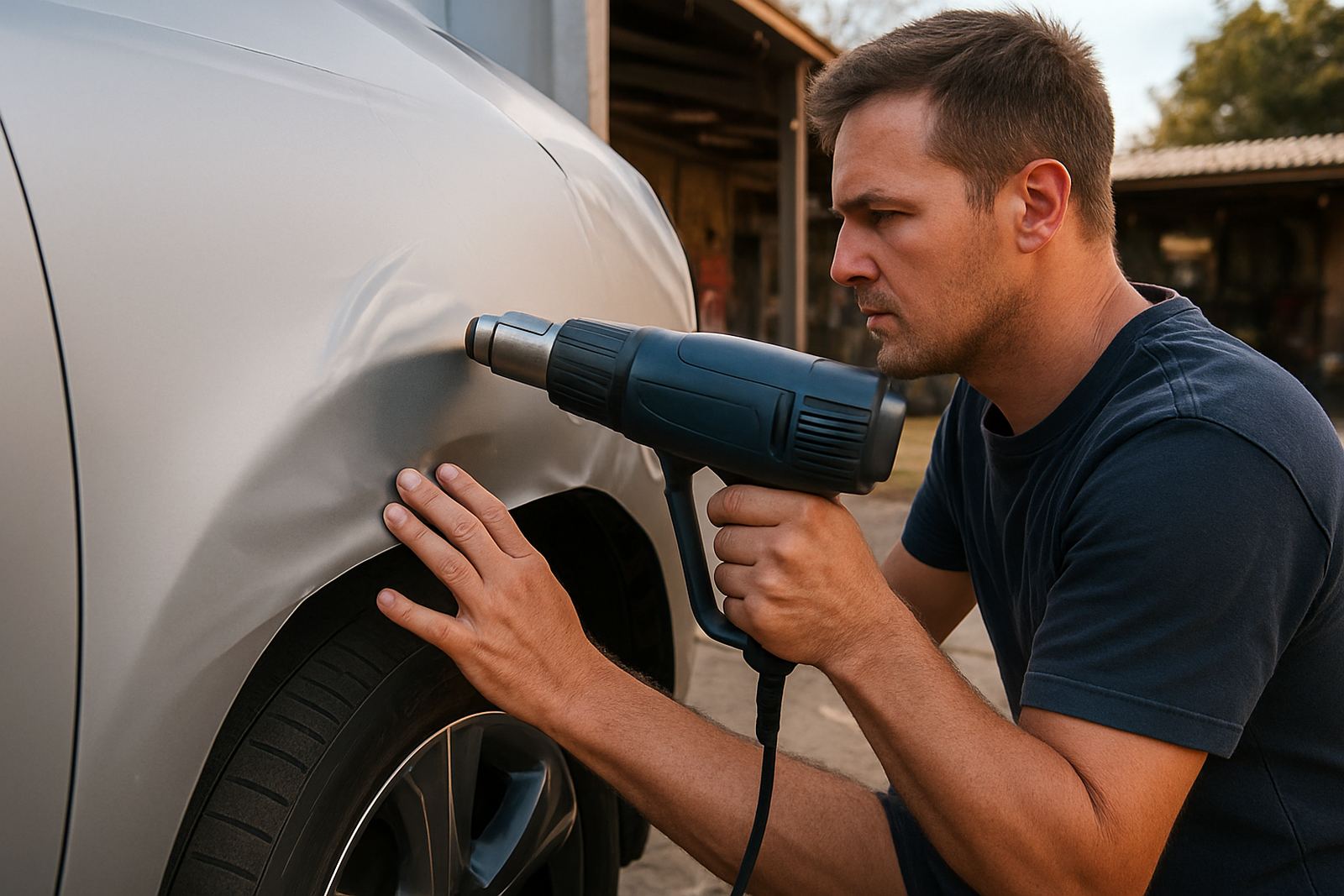
The setup stage also covers colour choice, orientation and surface type. Gloss vinyl, matt vinyl and reflective grades all behave differently, and we help you choose the right one for the job. For vehicle work, we consider panel curves, handle positions and rivets so the cut shapes sit well once fitted. If you need a batch of labels or multiple identical decals, we set the job to cut consistently across the run.
- Artwork checking for scale and cut suitability
- Weeding line planning for easier fitting
- Choice of colour, finish and vinyl grade
- Proofing before the cutter starts
How the cutting and weeding process works
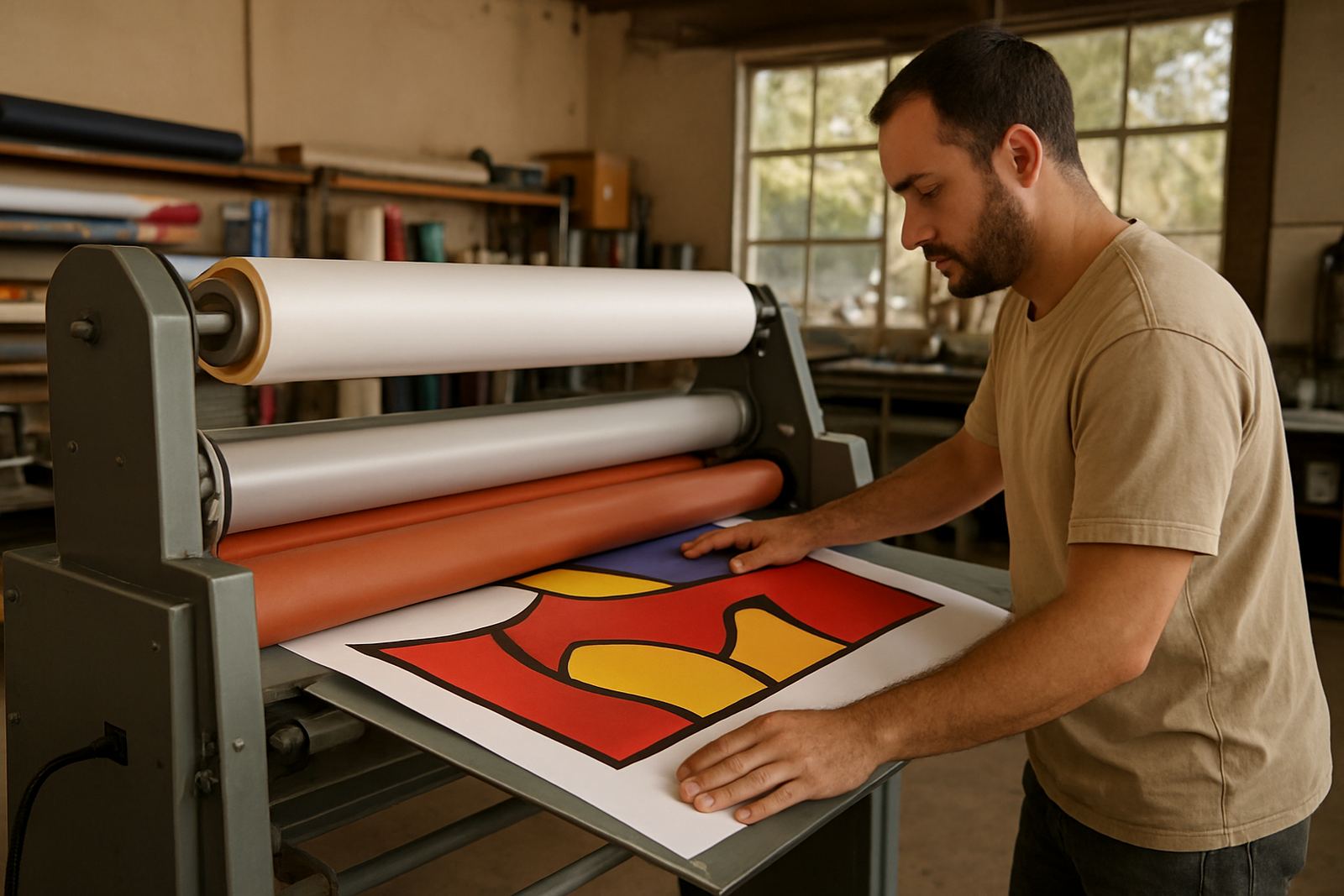
Once approved, the cutter follows the artwork and trims the vinyl with accurate blade pressure and speed. After cutting, we remove the unwanted vinyl around the design in a process called weeding. This leaves only the required letters or shapes behind on the release liner. For small text or detailed logos, we weed by hand so the edges stay clean and the job does not get damaged.
After weeding, the vinyl is checked for open corners, trapped pieces and lifting edges. If the design needs to be transferred in one piece, we apply application tape so the letters stay aligned during fitting. This is especially useful for long names, straight slogans and repeated fleet markings. Good transfer tape makes installation faster and reduces the chance of crooked application on site.
- Cutting to the approved file dimensions
- Manual weeding of excess vinyl
- Application tape for easier transfer
- Final quality check before collection or fitting
Typical turnaround times for cut vinyl orders
Turnaround depends on the size of the job, the amount of cutting involved and whether artwork still needs checking or rebuilding. Straightforward lettering can often move quickly, while large vehicle sets or multiple sign panels need more time for careful preparation. For local customers in Paarl and Wellington, we also factor in fitting time if the decals need to go onto vehicles or windows.
Small orders such as names, numbers and simple decals are usually handled faster than full branding kits. If the vinyl is for outdoor use, we also allow time for curing, sorting and packing so the pieces arrive ready for application. Load-shedding can affect production flow on some days, so we plan the queue sensibly and keep clients updated if timing shifts a little.
- Simple cut lettering: often same day or next working day
- Medium sign and window jobs: usually 2 to 3 working days
- Vehicle sets and larger batches: allow 3 to 5 working days
- Fitted jobs: schedule depends on site access and weather
Pricing approach for vinyl cutting jobs
Pricing is based on material size, vinyl grade, colour count, cutting time and the amount of weeding and setup needed. A simple name in one colour will cost less than a detailed logo with tiny cut-outs or a multi-part vehicle graphic. We quote clearly so you can see what is included, including preparation, cutting and any optional application tape or installation.
For repeat work such as fleet updates, shop hours, seasonal promotions or reprints, we keep the artwork on file so future orders are quicker to price and produce. If a panel or decal needs to be changed after installation, we can also supply replacement pieces to match the original layout. That helps businesses stay current without replacing the full sign.
- Material size and vinyl grade affect cost
- Fine detail takes longer to weed and prepare
- Single colour is usually the most economical option
- Repeat orders can be re-priced from stored artwork
Keeping cut vinyl neat on signs and vehicles
Cut vinyl lasts well when it is fitted onto a clean, dry surface and looked after properly. On vehicles, we suggest regular washing with mild soap and water, not high-pressure spraying directly at the edges. Avoid strong solvents and abrasive cloths, especially on wrapped panels or decals near door handles and fuel caps. In summer heat and coastal humidity, the edges should be checked now and again for lifting, particularly on older paint or rough panels.
For exterior signs, inspect the vinyl every few months and after heavy rain or strong wind. If you notice cracking, edge lift or fading, it may be time for repair or replacement rather than waiting for a full failure. On business signage, a small update can keep the whole frontage looking tidy and readable. We also handle maintenance intervals for customers who want scheduled refreshes instead of one-off fixes.
- Wash gently and avoid harsh chemicals
- Check edges after hot weather or heavy rain
- Replace worn decals before they start peeling
- Schedule sign updates for seasonal or compliance changes
Key facts
| Vinyl cutting width | Up to 1.5 metres per panel, depending on material |
|---|---|
| Material types | Gloss, matt, reflective and speciality adhesive vinyl |
| Best use | Lettering, logos, decals, numbers and safety markings |
| Suitable surfaces | Boards, glass, painted metal, vehicle panels and smooth plastics |
| Finish options | Cut only, or cut with application tape for transfer |
| Maintenance interval | Inspect every 3 to 6 months for outdoor use |