What Lamination Adds to a Printed Job
Lamination is a clear protective film applied over printed material after printing and drying. It helps guard against abrasion, fingerprints, light moisture, dust and everyday wear. For businesses that put up signs outdoors, move displays often, or handle printed pieces during deliveries and fitting, it can make a noticeable difference to how long the surface stays neat.
We use lamination for a wide range of work, including vinyl stickers, posters, printed boards, safety signs, point of sale panels, vehicle graphics, and display prints that need a cleaner finish. On indoor work, it can stop dulling where hands touch the surface often. On outdoor work, it adds another layer of defence against Paarl sun, windblown dust and coastal humidity further down the line.
- Scratch resistance for handled graphics
- Better moisture protection for signs and panels
- Cleaner wipe-downs on high-touch items
- Longer service life in indoor and outdoor use
Lamination Types We Apply
Different jobs need different finishes, so we match the film to the print and where it will be used. Some customers want a matt finish to reduce glare on shop windows and indoor notices. Others prefer gloss for stronger colour and a brighter look on promotional graphics. For certain sign boards and safety notices, a textured or anti-glare finish is better because it stays easier to read in strong light.
We also look at whether the print is flat, flexible or curved. A rigid board may suit a standard protective film, while a banner or vehicle graphic may need a more flexible finish. If a graphic will be exposed to regular handling or frequent wiping, we may recommend a thicker film rather than a light decorative topcoat. The right choice depends on use, not just appearance, and that saves money over time.
- Gloss for stronger colour and a bright surface
- Matt for reduced reflection and easier reading
- Anti-glare options for windows and sunlit areas
- Flexible finishes for certain wrapped or curved surfaces
How the Process Works in Our Paarl Workshop
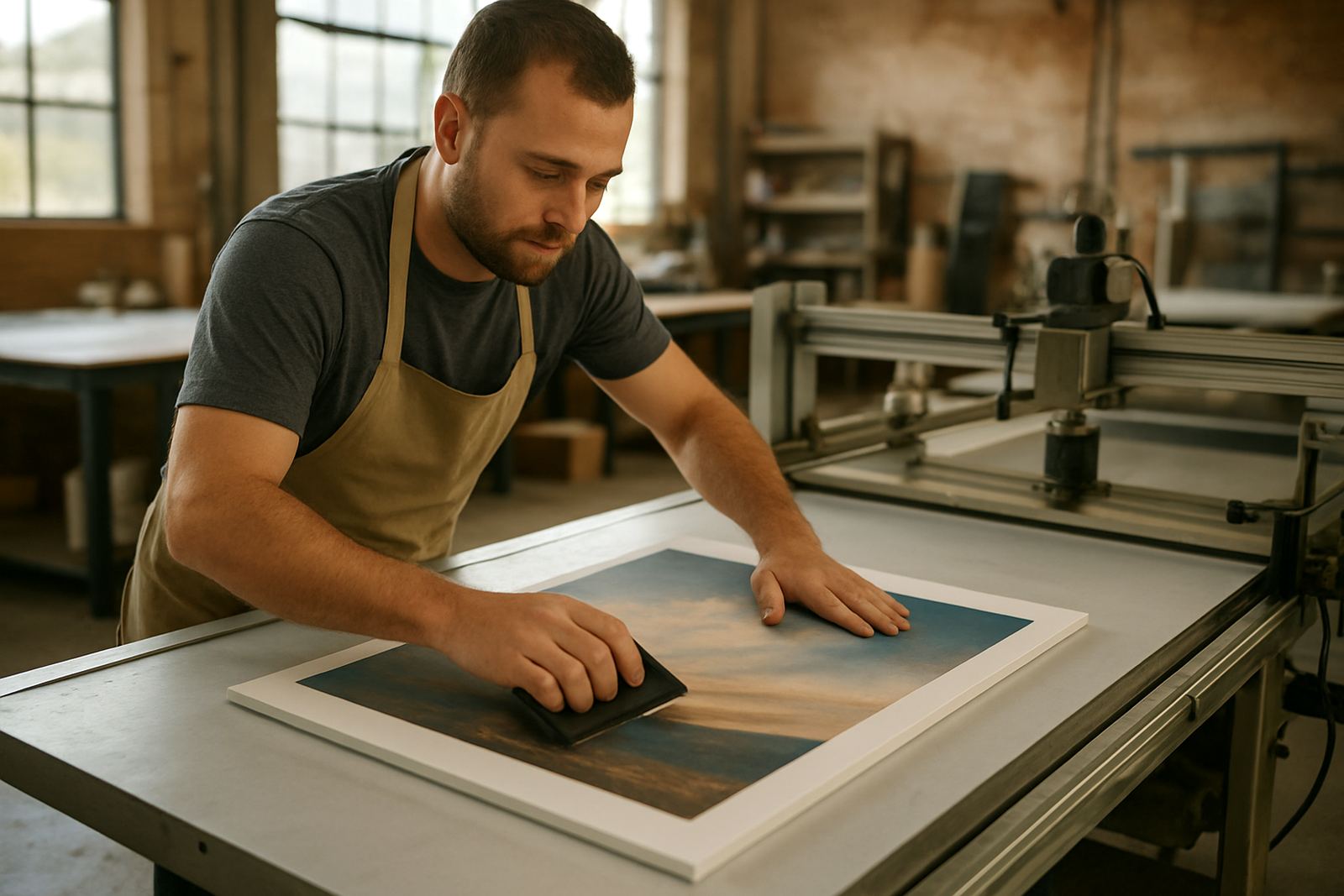
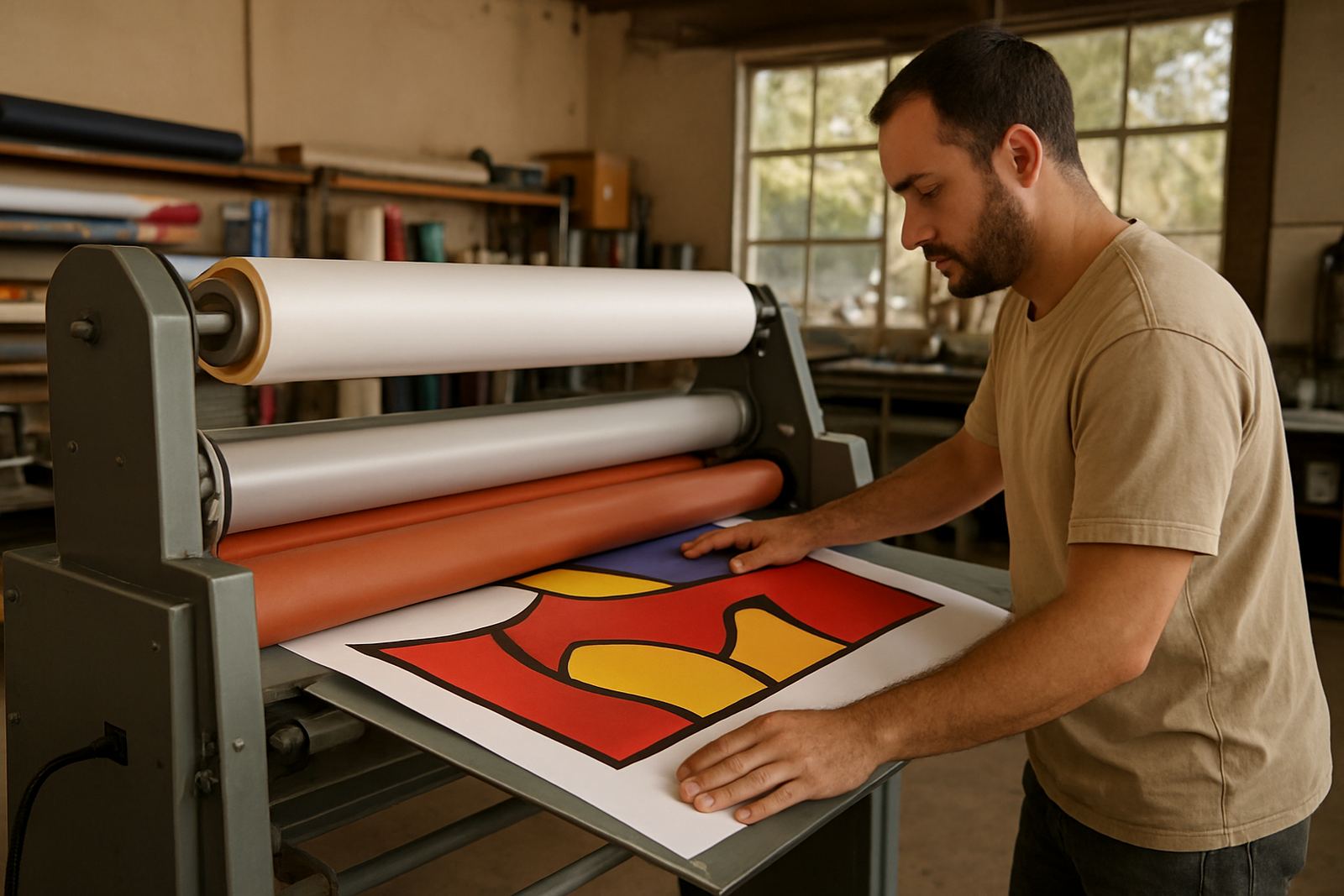
We start by checking the printed item for curing, edge condition and surface cleanliness. A film should only go on once the print is ready, because trapped moisture or dust can affect the bond. After that, the sheet or panel is prepared, the film is applied with even pressure, and the edges are checked so the finish sits flat and clean. On smaller items, we can laminate in sheets and trim after. On larger boards, we work carefully to keep the face smooth and free from lift at the corners.
Artwork checks happen before printing, and the same practical eye applies here. If a job has fine text, a dark solid background, or a cut line close to the edge, we check the layout to make sure the lamination will not interfere with visibility or final trimming. For vehicle related work and window graphics, we also consider heat, sun exposure and cleaning methods, since those surfaces are more likely to be touched or washed often.
- Print cure and surface inspection
- Film selection based on use and finish
- Application with pressure control
- Trim, edge check and final quality review
Turnaround for Standard and Urgent Jobs
Turnaround depends on the size of the item, the film chosen and how many pieces are in the batch. A small run of stickers or a few laminated notices can often move through faster than large panels or repeated sign boards. If the artwork is ready and the print has no drying delay, standard lamination work is usually planned within a short working window. For bigger orders or items that need special handling, we schedule accordingly so the finish is right first time.
We work with businesses that need reliable timing for launches, site signs, vehicle updates and seasonal promotions. That means we keep the process practical and predictable, especially when load-shedding, weather or fitting dates can affect the final handover. If a job needs to go out before a weekend market, a new opening, or a municipal inspection, let us know early so we can factor in production and finishing time.
- Small quantities can often be completed faster
- Larger boards and sign faces need extra handling time
- Urgent work depends on print readiness and material stock
- Fitting schedules are planned around weather and site access
Pricing Based on Size, Film and Finish
Lamination is priced according to the area covered, the type of film used, the finish required and the amount of handling involved. A simple run of flat signs will cost less than a batch of oversized prints or shaped items that need careful trimming. If the work is being laminated before board mounting, vehicle fitment or window installation, that can also affect the final cost because the finish must suit the next step in the job.
We quote on the practical requirements of the piece rather than using a one-size price. That helps keep things fair for small businesses, contractors and fleet owners who need to protect a limited number of items without paying for unnecessary extras. If you are comparing options, it is worth asking whether the price includes trimming, edge finishing and preparation. Those details matter more than people often realise, and they can change the life of the print by months.
- Pricing depends on size in square metres or sheet count
- Film type and surface finish affect cost
- Shaped trimming and edge work may add time
- Combined print and finish jobs are costed as a full production order
Care, Cleaning and Maintenance Intervals
Even laminated graphics need sensible care if you want them to last. Most laminated signs can be wiped with a soft cloth and mild soap solution. Avoid harsh solvents, abrasive pads or high-pressure washing too close to the edge, because those can lift the film over time. On vehicle graphics, use gentle washing methods and avoid scrubbing the corners where dirt tends to collect. In coastal areas, regular cleaning helps prevent salt build-up that can dull the surface.
For outdoor signs and handled displays, a check every few months is a good habit. Look for edge lift, yellowing, cracking, scuffing or clouding. If a print is in a harsh sun position, near a busy entrance, or on a vehicle that works daily, it may need earlier attention. Maintenance intervals vary by exposure, but the point is simple: a quick inspection saves a full reprint later, and that matters when budgets are tight.
- Wipe with soft cloth and mild soap only
- Avoid solvents, abrasive pads and hard scrubbing
- Inspect edges every few months on outdoor work
- Check sooner on vehicles, coastal sites and high-touch signs
Key facts
| Film options | Gloss, matt and anti-glare finishes |
|---|---|
| Common use | Stickers, signs, panels, posters and vehicle-related graphics |
| Typical sizes | From small cut pieces to large format sheets and boards |
| Suitable surfaces | Printed vinyl, flat boards, display panels and selected flexible graphics |
| Protection | Helps reduce scratches, moisture impact and surface wear |
| Service area | Paarl, Wellington, Stellenbosch, Franschhoek, Worcester, Malmesbury, Klapmuts and Simondium |