Artwork That Prints Right First Time
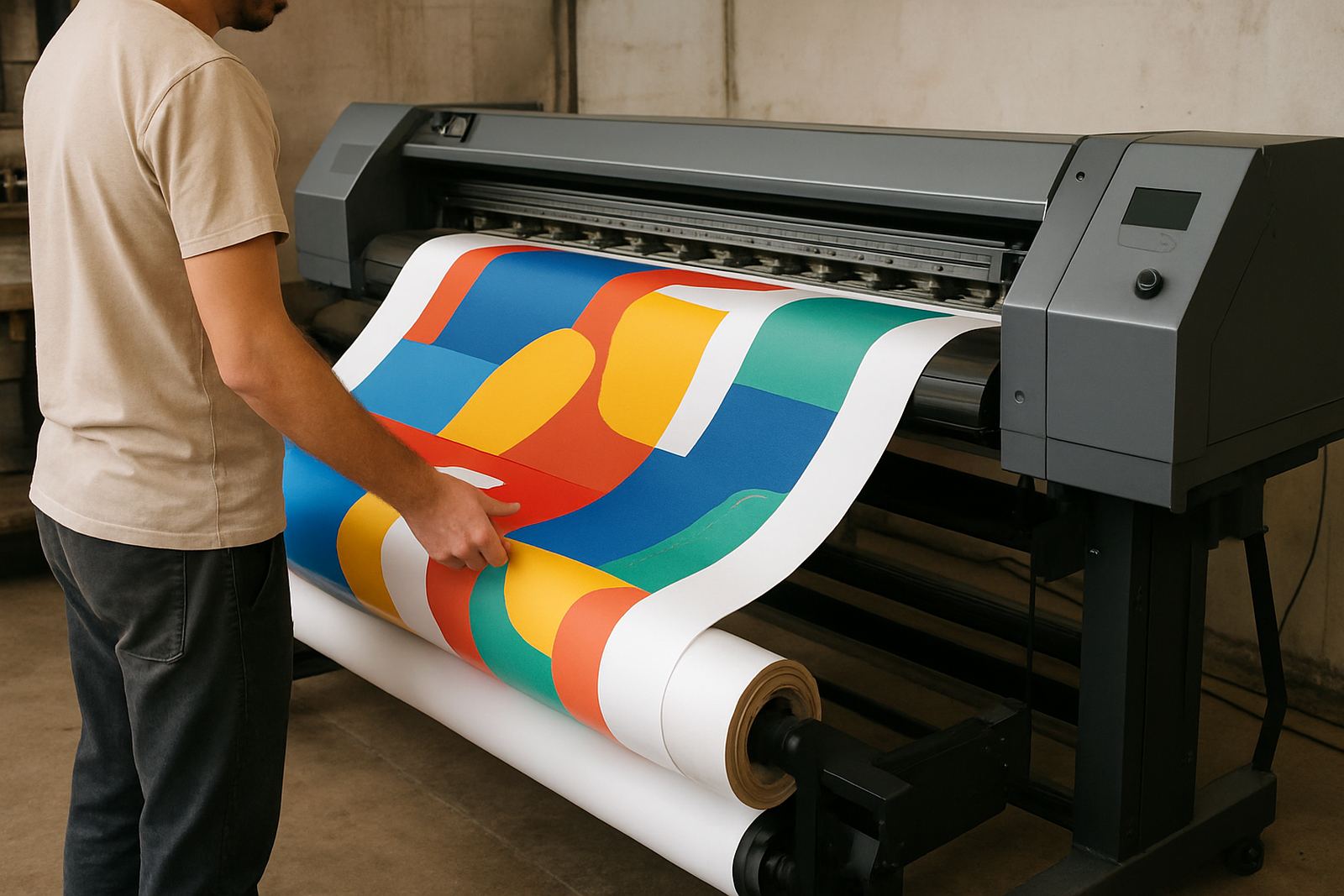
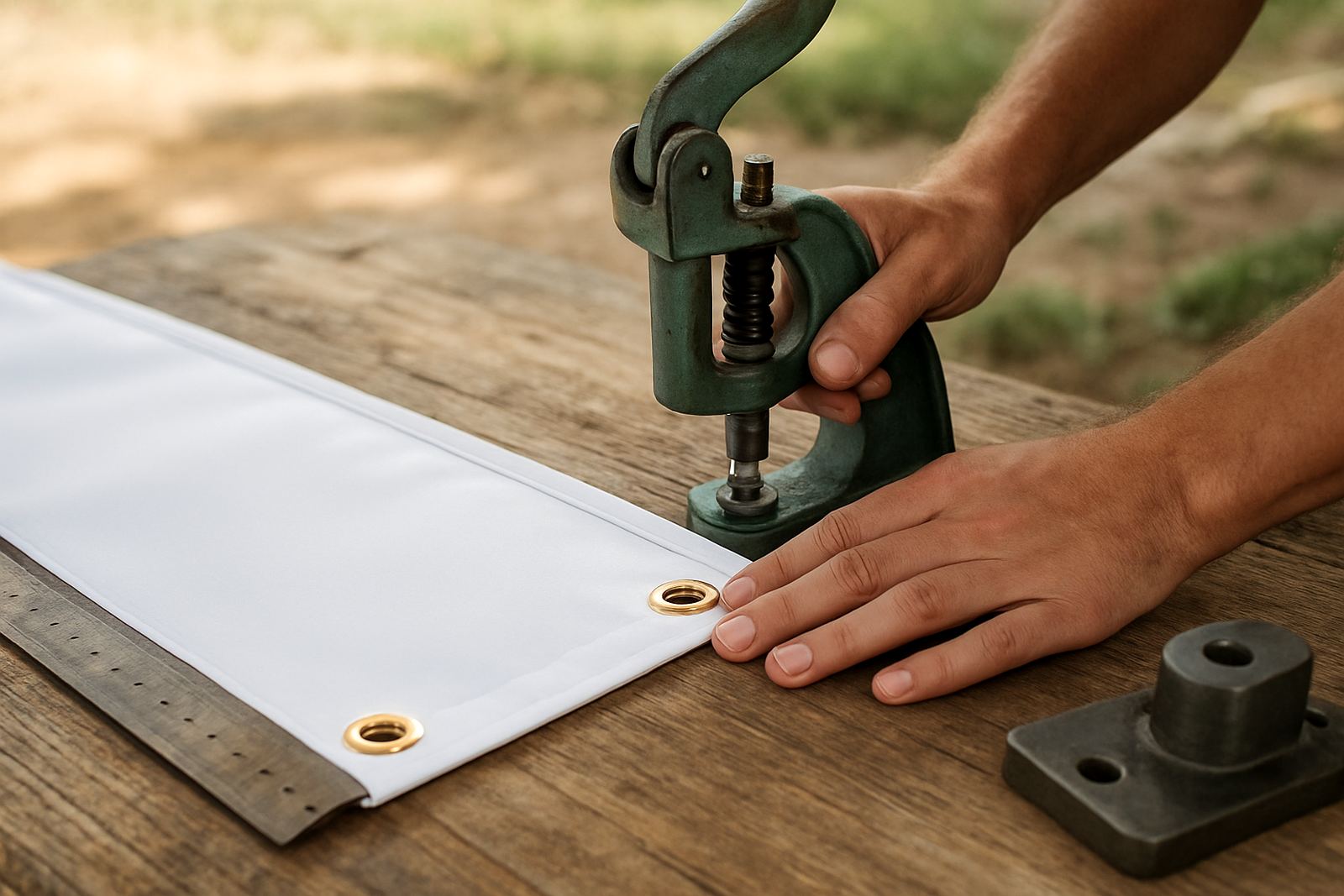
Graphic design for print is not only about making something look nice on screen. It is about setting up artwork so it prints sharp, cuts cleanly and fits the final size without surprises. We prepare files for business cards, flyers, safety signs, vinyl decals, banners, light boxes, vehicle graphics and shop displays, with proper margins, bleed and readable type sizes.
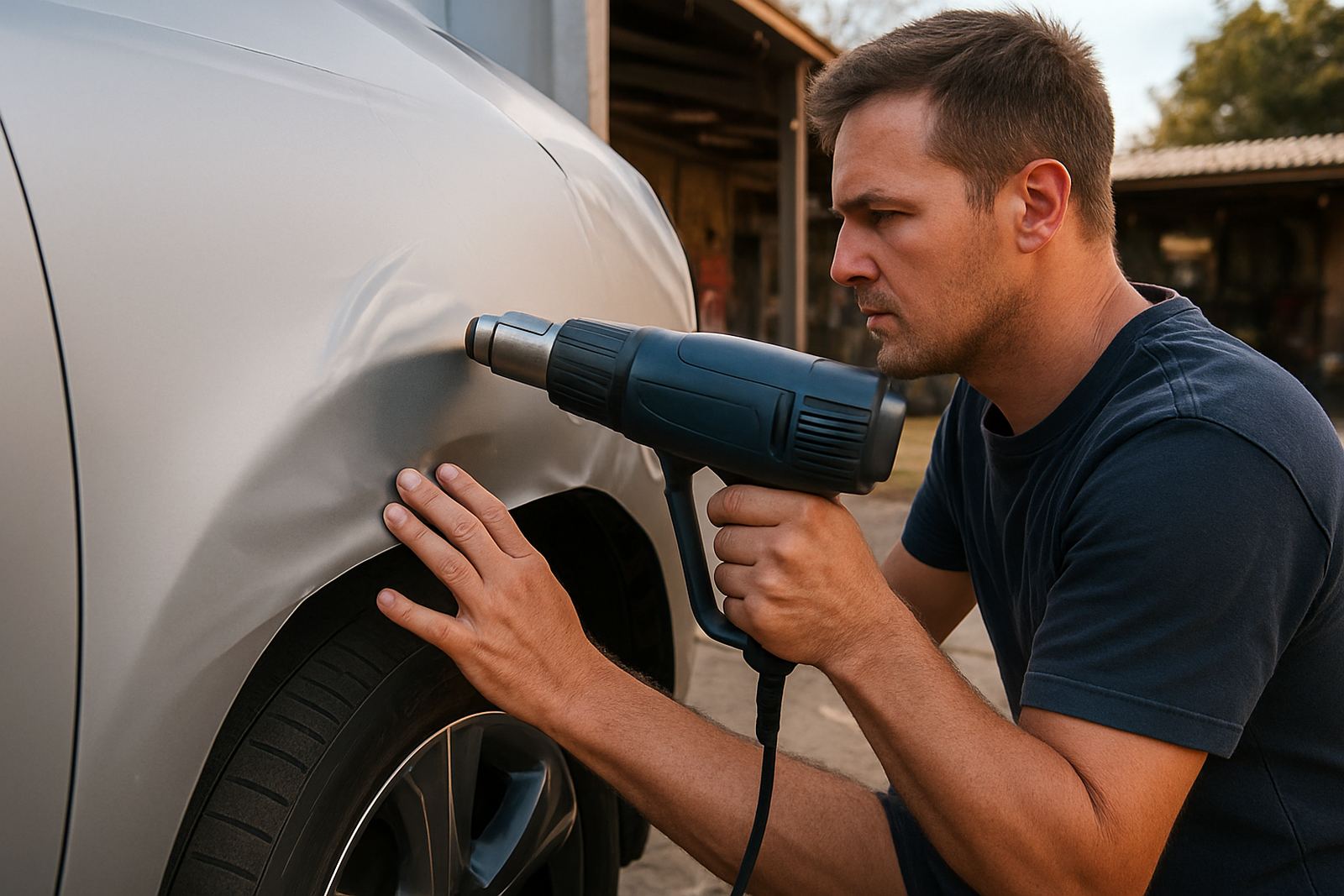
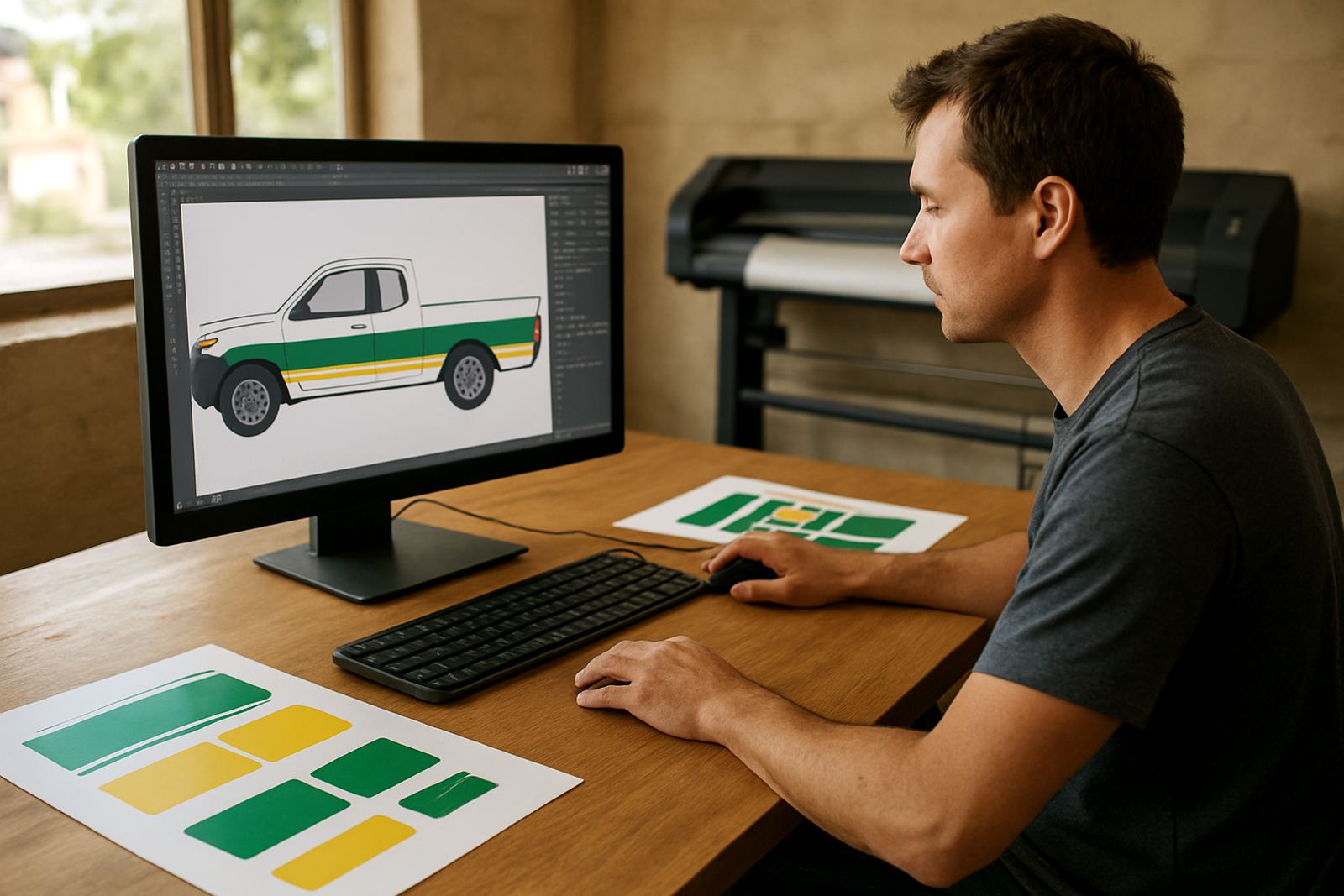
For small items like cards and flyers, we work with final trim sizes, safe zones and full bleed where needed. For signs and boards, we check viewing distance, font weight and colour contrast so the message stays clear from across a yard, workshop or roadside. For vehicle work, we plan around panels, handles, curves and window sections so the graphic suits the vehicle shape and keeps important details away from joins and edges.
In the Boland, a sign has to work in bright sun, dust, rain and coastal humidity too. That means the artwork must be practical. A neat layout means less waste, less reprinting and less time spent fixing avoidable mistakes later on.
What We Include In A Design Job
Our design service can start from a rough idea, a hand sketch, a photo, an existing logo or an old print file that needs tidying up. If you already have branding, we can work with it and prepare the artwork for the correct print method. If the file is not usable as is, we clean it up or rebuild it where needed.
- Layout for cards, flyers, posters, signs and stickers
- Artwork checks for spelling, alignment, trim size and bleed
- Logo placement, colour matching and font consistency
- Print-ready file preparation for digital, large format and cut vinyl work
- Simple artwork updates for prices, contact details, opening hours and route changes
- Setup for single sided or double sided print pieces
We also handle practical file prep for white ink, cut lines, layered graphics and frosted window work. If a job needs special sizing, we will measure it properly before final artwork is prepared. That helps with shop fronts, delivery vehicles, rider bikes and panels that must fit first time.
How The Design Process Works
Most jobs move through a simple process. First we confirm what you need, where it will be used and what size it must be. Then we gather the wording, images and logo files, and confirm any measurements that affect the layout. After that we prepare the artwork and send a proof for approval before printing or production starts.
- Brief and measurements
- Content collection and file check
- Artwork layout and design draft
- Proof review and corrections
- Final approval and print or sign production
If the job is for a vehicle wrap or a large sign, we may ask for photos or fitment details so we can plan around curves, rivets, windows and door gaps. For shops and offices, we may suggest wording that suits local by-laws and visibility needs, especially where signs must stay clear and not overcrowd a façade. That saves time when the installer gets to site.
We keep communication direct and practical. If something needs changing, we say so before it goes to print. A small typo on a proof is easier to fix than on a banner already mounted outside in the wind.
Turnaround Times And Pricing Approach
Turnaround depends on the size of the job, the amount of content and how quickly the needed information comes through. A simple artwork update can often be handled faster than a full brand layout or a vehicle set with multiple panels. Jobs that need measurement, photo matching or several proof rounds will naturally take longer.
Our pricing is based on the time needed for layout, corrections and preparation for print or cutting. We do not price every job the same because a business card update is not the same as a full set of vehicle graphics. The clearer the brief, the quicker we can quote. If you only need text changes, prices stay lower than for a fresh layout from scratch.
- Quick updates are usually the lowest cost
- Fresh layouts cost more when content must be arranged from the ground up
- Complex vehicle and display work is quoted after size and fitment details are checked
- Urgent jobs may be possible, depending on the print queue and material availability
For businesses in Paarl, Wellington, Stellenbosch, Franschhoek, Worcester and Malmesbury, we try to keep practical lead times. If the job is time sensitive for an opening, event or fleet change, say so early and we will advise what can be done in time.
File Standards, Proofing And Print Specs
Good output starts with the right file setup. We work with print files that are prepared at the correct size where possible, with enough image resolution for the finished application. If a file is too small or badly compressed, it may print soft or pixelated, so we will advise on the best fix before production.
- Business cards and flyers: crisp text, 3 mm bleed and safe margins
- Large signs and boards: strong contrast for reading at distance
- Vinyl decals: clean vector shapes and proper cut lines
- Vehicle graphics: panel aware layout for doors, curves and fuel caps
- Window frosting and contra-vision: correct sizing for glass panels
We send proofs for approval so colours, wording and placement can be checked before print. Where a design is being reused, we can update prices, phone details, wording and service lists without starting from zero. For repeat customers, this keeps the artwork consistent across reprints and updates, even when a branch changes details or a seasonal promotion needs a fresh run.
Keeping Artwork Fresh Over Time
Printed graphics do not last forever in the sun and rain, especially on vehicles, outdoor boards and coastal installations. Even the best artwork can need a refresh when contact details change, a logo is updated or a sign has faded. For that reason, we recommend checking service graphics and outdoor signs at planned intervals.
As a guide, vehicle graphics should be inspected every 6 to 12 months for lifting edges, stone damage and worn laminate. Outdoor signs and banners should be checked after heavy wind, strong sun or seasonal rain, and updated when business details change. Shop window graphics and decals should also be reviewed when glass is cleaned often or when the display message is no longer current.
We can rework old artwork, make revisions and prepare reprints so you do not have to start again each time. That is useful for fleets, rider bikes, delivery vehicles and growing businesses that add services as they expand. It keeps the look tidy and current without wasting materials.
Key facts
| Artwork formats | Print-ready files, vector redraws, layered layouts and cut paths |
|---|---|
| Typical size range | From business cards at 90 x 50 mm to large signs and vehicle panels |
| Proofing | Digital proof supplied before print or fabrication starts |
| File checks | Bleed, crop, spelling, font legibility and image resolution checked |
| Revision support | Text updates, price changes, logo refreshes and reprint changes |
| Maintenance interval | Review outdoor graphics every 6 to 12 months, sooner in harsh sun or wind |