What we check before anything goes to print
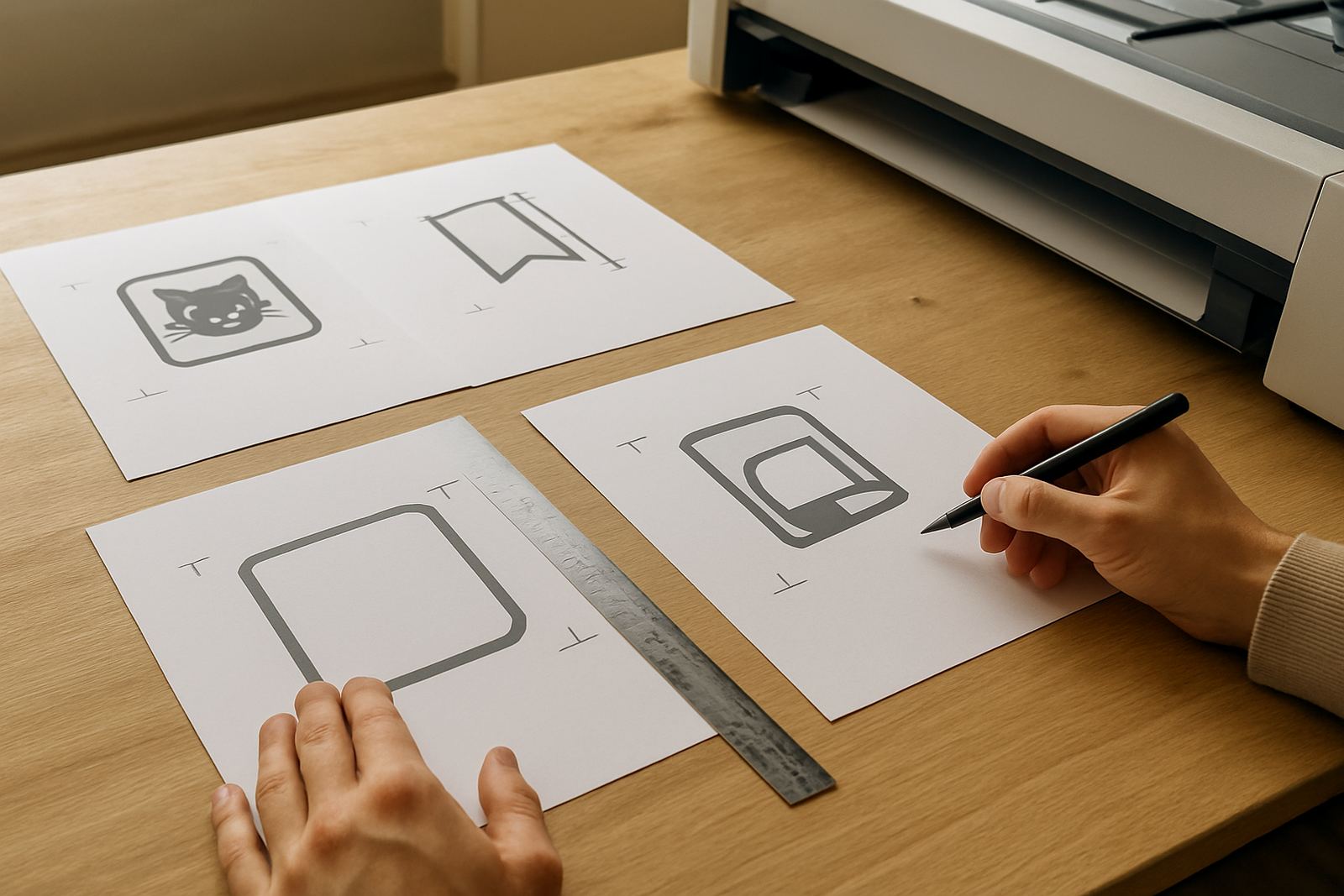
Artwork checks are the part of the job where small mistakes get caught before they become costly. We look at page size, bleed, safe area, image quality, fonts, colour setup and whether the file is ready for the print method being used. That applies to business cards, flyers, banners, safety signs, canvas prints, stickers and vehicle graphics. A file that looks fine on a phone or laptop can still print with cropped text, fuzzy images or thin borders that shift once trimmed.
For local work in Paarl, Wellington and the wider Boland, we also check whether the artwork suits the final use. A sign for a shop front in Paarl CBD needs different handling from a motorbike decal that will face sun, dust and regular washing. If a file needs simple corrections, we flag them early so you can approve the changes before production starts.
- Trim size and bleed set correctly for the final finish
- Text kept inside the safe area so it does not get cut off
- Images checked for usable print resolution
- Colours reviewed for the right print process and material
- Fonts, transparency and overprint issues checked
How the artwork check process works
You send us your file through the enquiry form on our contact page, along with the size, quantity and what the print will be used for. We then review the artwork and come back with clear notes. If the file is ready, we confirm it and move it into the production queue. If there are issues, we tell you exactly what needs changing, and why it matters. No guesswork, just a proper check before material is cut or printed.
Most jobs follow a simple process: first we assess the file, then we mark up the changes if needed, then you approve the corrected version, then production starts. For repeat business cards or reprints, we can also compare the new file against the last approved version so updates are kept consistent. That is useful for businesses with staff changes, new contact details or refreshed branding.
- Step 1: Submit your file and job details
- Step 2: We review size, bleed, images and layout
- Step 3: You receive notes or approval feedback
- Step 4: Corrections are made if needed
- Step 5: Final approval before print or fabrication
File formats, sizes and specs we work with
We check artwork for the common file types used in print and sign work, including PDF, AI, EPS, TIFF and high resolution JPG or PNG files. For best results, print files should be set up at final size, or at an agreed working scale, with images at enough resolution for the output. If the file is for large format print, we check that the scaling is sensible and the text remains legible from the viewing distance it is meant for. A banner seen from the road can be handled differently from a business card in hand.
Colour setup matters too. Some files are supplied in RGB when the print needs CMYK, and that can shift the final colour. We also check rich black, solid blacks, white text on dark backgrounds and fine lines that may break up on certain materials. For vinyl cuts and stickers, we look for clean shapes and properly closed paths so the cutter follows the line properly.
- Business cards and flyers: trim, bleed and folding lines checked
- Signs and boards: size, mounting allowance and edge safety checked
- Vehicle graphics: panel fit, door gaps and handle clearances checked
- Stickers and decals: cut lines, weed margins and spacing checked
- Banners and light boxes: visibility, placement and finish area checked
Common mistakes we catch before production
Some artwork problems show up again and again. Low-resolution logos, missing bleed, text sitting too close to the edge, images pulled from social media, and files built in the wrong colour mode are the main ones. Another common issue is sending a design that looks fine on screen but has very thin type or hairline borders that disappear once printed and trimmed. On a sign for a shop in Franschhoek or a delivery vehicle in Worcester, those small details matter.
We also check for spelling and layout issues where possible, but the main focus is technical print readiness. If a client gives us final text and spelling, we set the file up around that content and make sure it fits. It saves time and helps avoid reprints, especially when the job has tight turnaround times or a specific event date. A missed number or cropped word can turn a good print into waste, and nobody wants that.
- Missing bleed on cut-to-size jobs
- Low-resolution photos and logos
- Wrong colour mode for print output
- Text too close to the trim line
- Wrong scale for vehicle or sign panels
Turnaround times and pricing approach
Artwork checks are usually turned around quickly, especially for standard jobs with clear instructions and good source files. Simple files can often be checked the same day, while more involved artwork or multi-panel sign work may take longer depending on the queue. If a job is urgent, tell us up front so we can advise on what is realistic. In busy periods, especially before month-end promotions or event weekends, it helps to send files early.
Our pricing approach is straightforward. Basic artwork checks are priced according to the level of review needed, the number of pages or items, and whether corrections are minor or the file needs more time. If a job needs redesign, rebuilding or several revision rounds, we will quote accordingly before work continues. That way you know what you are paying for and can decide what needs fixing now versus later. No hidden extras, no surprises at collection.
When to book checks and how to keep files in order
Artwork checks are worth doing whenever you are printing something important, but they are especially useful before a launch, event, vehicle fitment or sign installation. If the job will face sun, rain, coastal humidity or regular cleaning, the file should be checked with the final material in mind. For towns like Paarl, Wellington and Malmesbury, where signs and vehicle graphics often work hard outdoors, getting the setup right first time makes a real difference.
For ongoing business use, it helps to keep a master file set for each item and review it whenever contact details, services or dates change. That makes reprints and updates faster and keeps your brand consistent across branches and vehicles. We can also help with maintenance intervals for signs that are used repeatedly, such as shop fronts, fleet markings and temporary event boards. If the print is meant to last outdoors, plan a regular check every 6 to 12 months, and sooner if it has been exposed to strong sun or frequent washing.
- Check files before repeat printing or reorders
- Review outdoor signs after seasonal weather changes
- Update vehicle graphics when details change
- Keep approved artwork saved in one place
Key facts
| File types | PDF, AI, EPS, TIFF, JPG and PNG |
|---|---|
| Recommended colour mode | CMYK for print jobs |
| Image quality | High resolution at final size where possible |
| Artwork review | Size, bleed, safe area, fonts and print readiness |
| Typical turnaround | Same day for simple files, longer for complex artwork |
| Maintenance interval | Outdoor graphics checked every 6 to 12 months |