What Foam Board Signs Are Used For
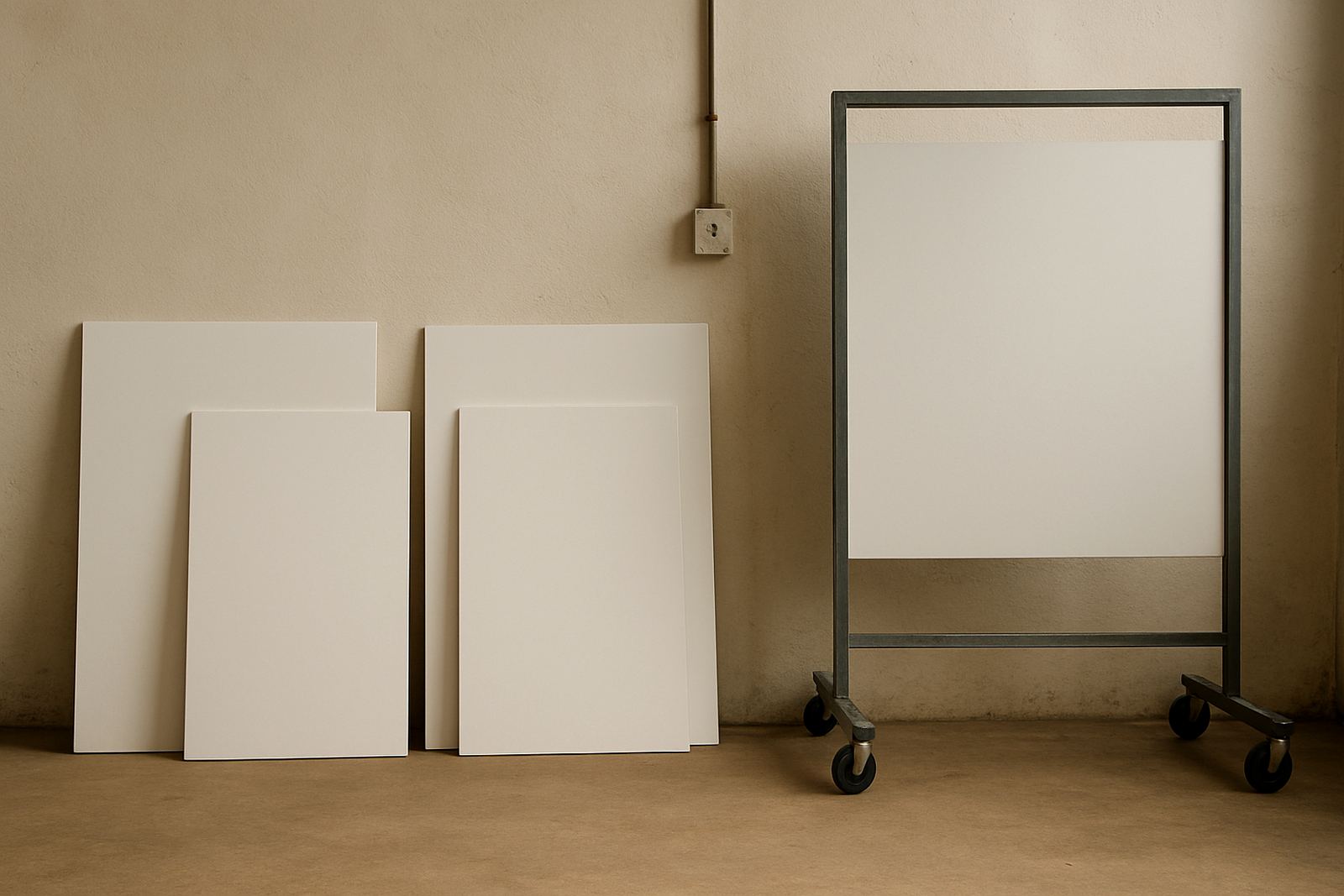
Foam board signs are rigid indoor display boards with a printed face and a lightweight core. They give a clean flat finish for short to medium term use, and they are easy to hang, stand on an easel or fix to a wall. Because they are light, they suit spaces where you need a tidy sign without heavy framing or special fixings.
In Paarl, Wellington and the surrounding towns, we make foam board signs for menu boards, product lists, conference displays, price boards, school notices, noticeboards in offices, photo displays and indoor event signage. They also work well for estate agent boards, church announcements and temporary promotions in shop windows. If you need a sign that looks smart but must stay easy to move, foam board is a practical choice.
These boards are for indoor use. They can handle normal handling, but they are not meant for rain, direct sun or rough outdoor exposure. For that reason they are often chosen for reception areas, classrooms, trade counters and function venues where the sign stays protected.
Sizes, Thicknesses And Finish Options
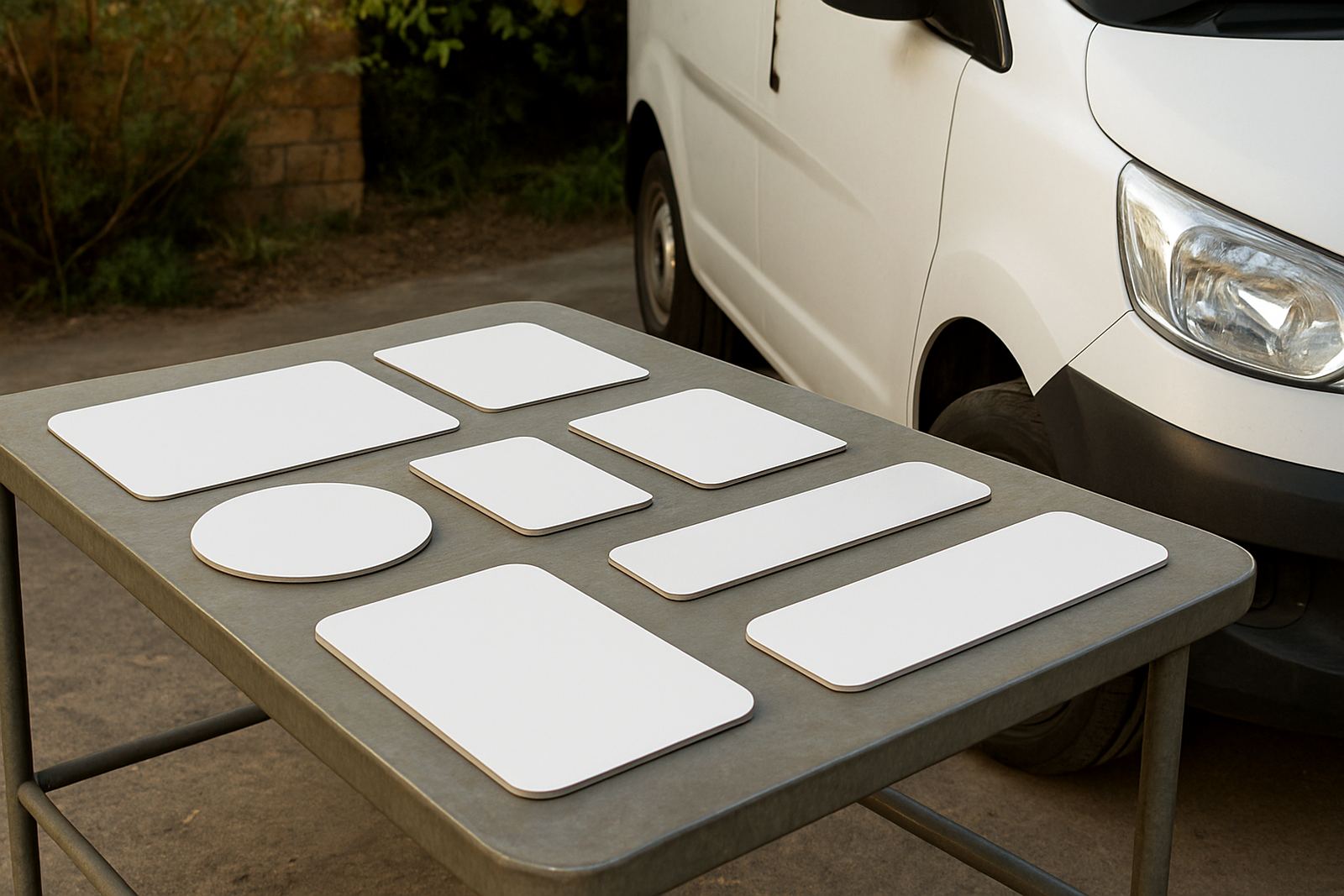
Foam board signs are cut to the size that suits your layout. Common sizes include A4, A3, A2 and A1, plus custom rectangles and square formats for menu walls or display panels. We can also make narrow strips for shelf labels or larger boards for presentations and exhibitions. If you need several boards in one set, we can keep the sizing consistent so the display looks tidy.
Typical board thicknesses are 5 mm and 10 mm, depending on the size and how rigid you need it to be. Smaller signs usually sit well on 5 mm board. Larger panels, or boards that will be handled often, benefit from 10 mm. For a cleaner look, we can trim the edges square and finish the surface neatly so it is ready for use.
- Standard sizes: A4, A3, A2, A1 and custom cuts
- Thickness options: 5 mm and 10 mm board
- Print finish: matt for low glare or gloss for a brighter look
- Mounting options: wall fixings, easel use or temporary adhesive pads
If your board will sit under lights or near a window, a matt finish can reduce glare and make text easier to read. Gloss can suit image-led displays where colour needs to pop a bit more. We will check the artwork and advise what will read best from the viewing distance.
Where Foam Board Works Best
Foam board is suited to places where the sign needs to look neat and stay indoors. It is often used in retail, hospitality, offices, schools, training rooms and at local events. For a restaurant, it can carry a daily menu or specials board. In a shop, it can hold a promotion or product range. In a meeting room, it can present charts, service steps or safety information.
It is also a good option for one-off displays and recurring updates. If your pricing or notice changes often, a foam board can be reprinted without changing the whole display system. That helps where municipal notices, event dates or seasonal specials need to be updated quickly. In the Boland, where weather and light can vary a lot from one venue to the next, indoor boards are often easier to keep clean and presentable than heavier display materials.
- Retail specials and price boards
- Menus, table plans and tasting notes
- School projects and educational displays
- Conference signs and exhibition boards
- Reception wall graphics and notices
For coastal humidity in areas closer to the sea, keep foam board inside dry spaces only. Moisture can soften the core over time. If the board must be used near an entrance or in a covered but windy area, we can discuss a more suitable material.
Mounting, Installation And Power Needs
Most foam board signs do not need power or gas. They are passive display boards, so there is no wiring, battery pack or fuel supply to plan for. That makes them simple to place in offices, classrooms and venues where load-shedding has already created enough hassle. If you need a sign to stay visible during power cuts, foam board can still do the job because it does not rely on electricity.
Installation is usually straightforward. Smaller boards can be pinned, taped or placed in a frame. Larger boards may need wall screws, stand-offs, hooks or a backing board, depending on the surface and the weight. We can prepare the sign for mounting and advise on the best way to fit it so the board stays flat and does not curl at the edges. On painted walls, glass or tiled surfaces, it is worth checking the fixing method first so there is no damage.
If the board is going into a public area, make sure the mounting meets your building rules and any venue requirements. For schools, offices and retail centres, a neat safe fit is important, especially where people move past it often.
Artwork Checks And What To Send When Ordering
Good artwork makes a foam board sign look crisp and easy to read. Send your wording, logo, photos and any size notes as early as possible so the layout can be checked before printing. If you want a board for distance viewing, keep the text simple and use fewer lines. If the sign will be read up close, you can include more detail, but it still helps to keep the design uncluttered.
Please check the following before you order:
- Final size and orientation, portrait or landscape
- Text spelling, contact details and dates
- Logo quality and image resolution
- Whether the board is for indoor use only
- How it will be mounted or displayed
- Any deadline for collection, delivery or installation
If you already have artwork, we can do an artwork check and let you know if anything needs fixing before print. That includes margins, image quality, colour consistency and whether the layout will sit well on the chosen board size. If you do not have a print-ready file, we can help set up the text and image arrangement for a clean result.
Care, Reprints And When To Replace The Board
Foam board signs need only light care. Keep them dry, away from heat and out of direct sunlight for long periods. Dust them with a soft dry cloth and avoid using water or cleaning chemicals on the printed face. If the board gets bent or pressed against another item, the surface can mark, so store it flat when not in use.
For repeated use, such as monthly specials or event signage, it is often worth planning for reprints. That way the board can stay current and tidy instead of being patched with stickers or handwritten updates. If the content changes often, we can produce a fresh board quickly and keep the look consistent from one version to the next.
Replace the board if the edges start to crush, the surface scratches badly, or the print no longer matches your current offer. For business use, a clean updated sign often looks better than trying to rescue an old one. That is especially true in reception areas and client-facing spaces where first impressions matter.
Key facts
| Material | Lightweight rigid foam board with printed face |
|---|---|
| Common Sizes | A4, A3, A2, A1 and custom cuts |
| Thickness | 5 mm or 10 mm |
| Use | Indoor presentations, menus, wall displays and notices |
| Mounting | Wall fixings, easels, adhesive pads or framed display |
| Care | Dry storage, soft cloth cleaning, avoid moisture and direct sun |